
Last updated November 25, 2026
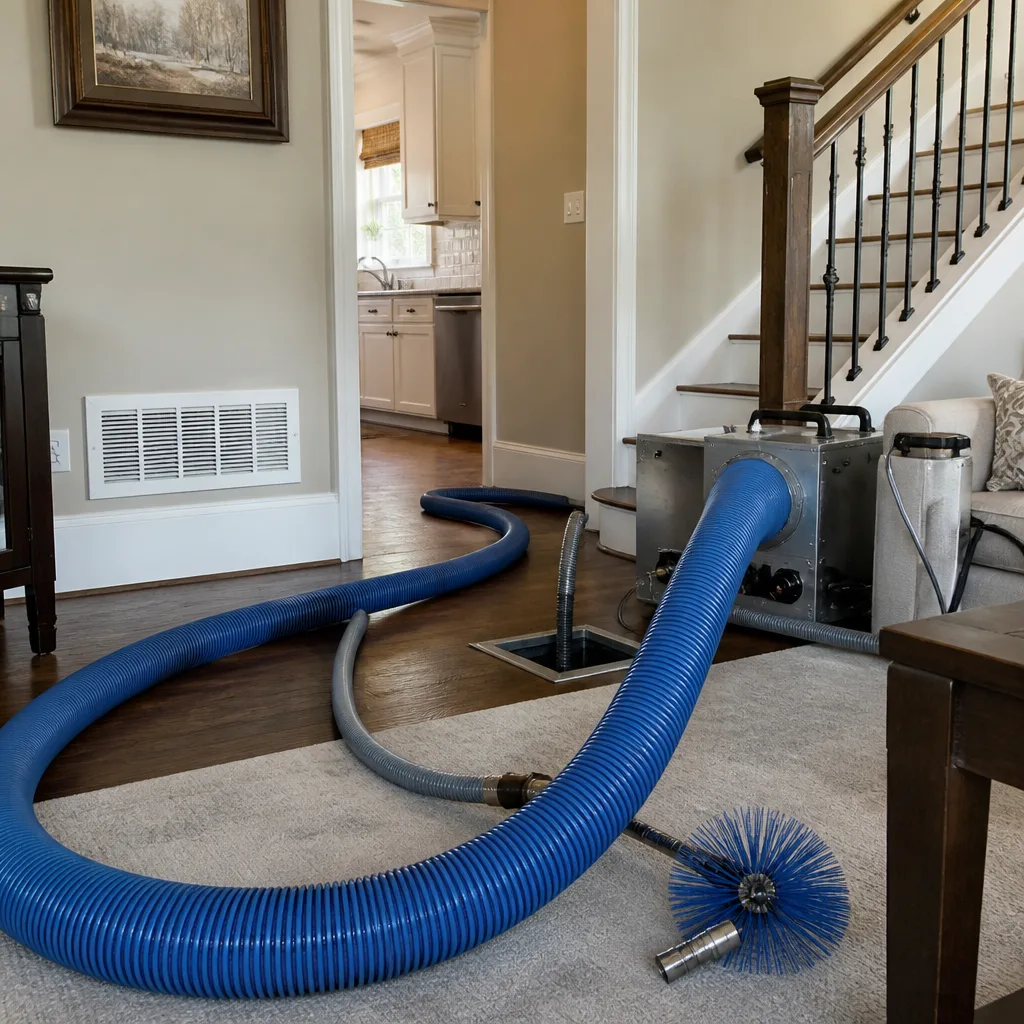 Whole-home duct cleaning
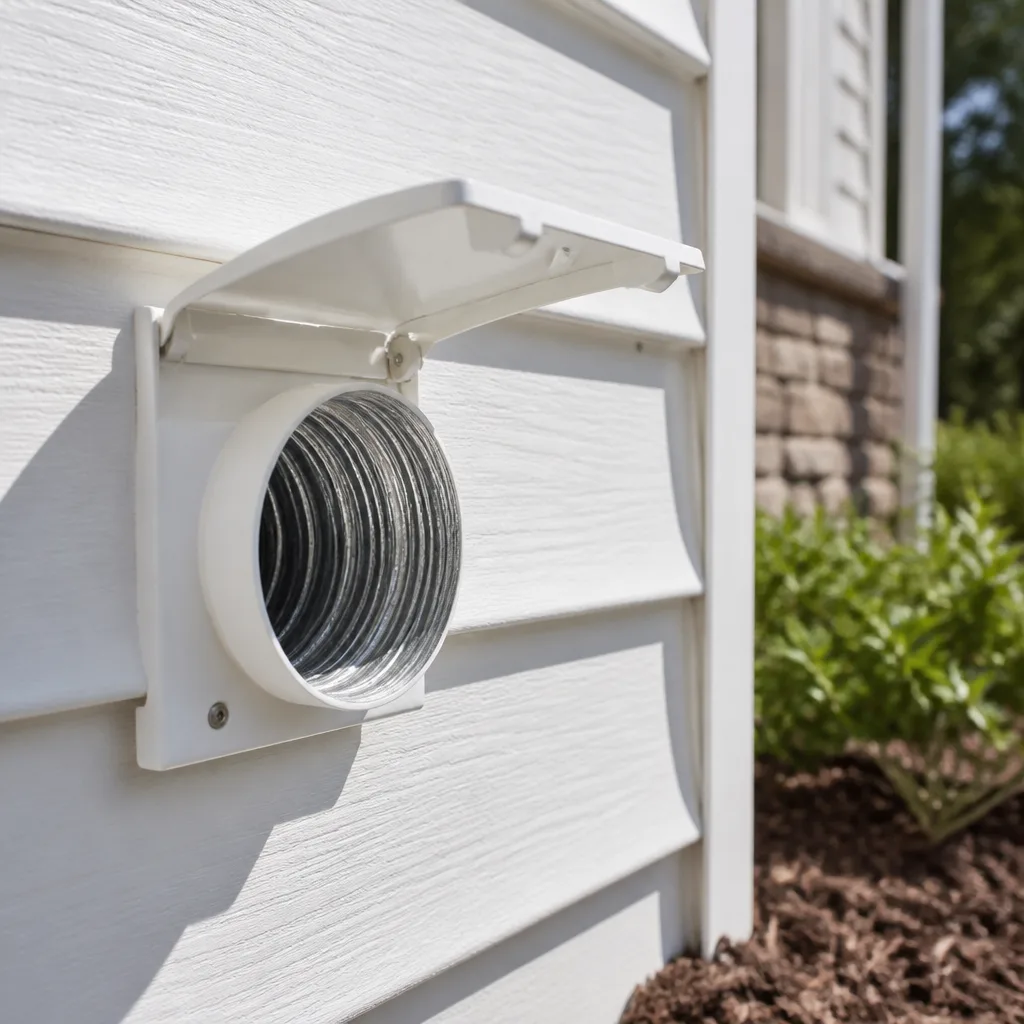 Dryer vent cleaning
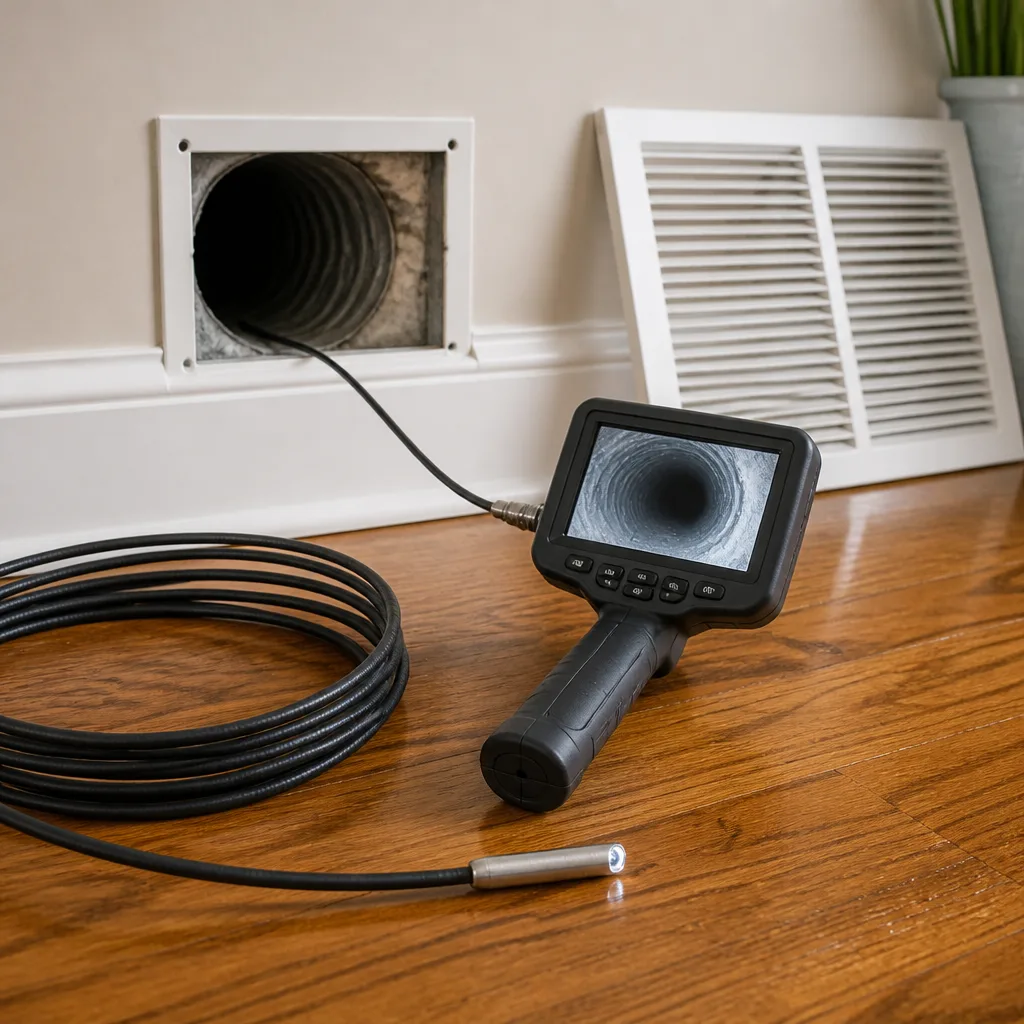 Camera inspection
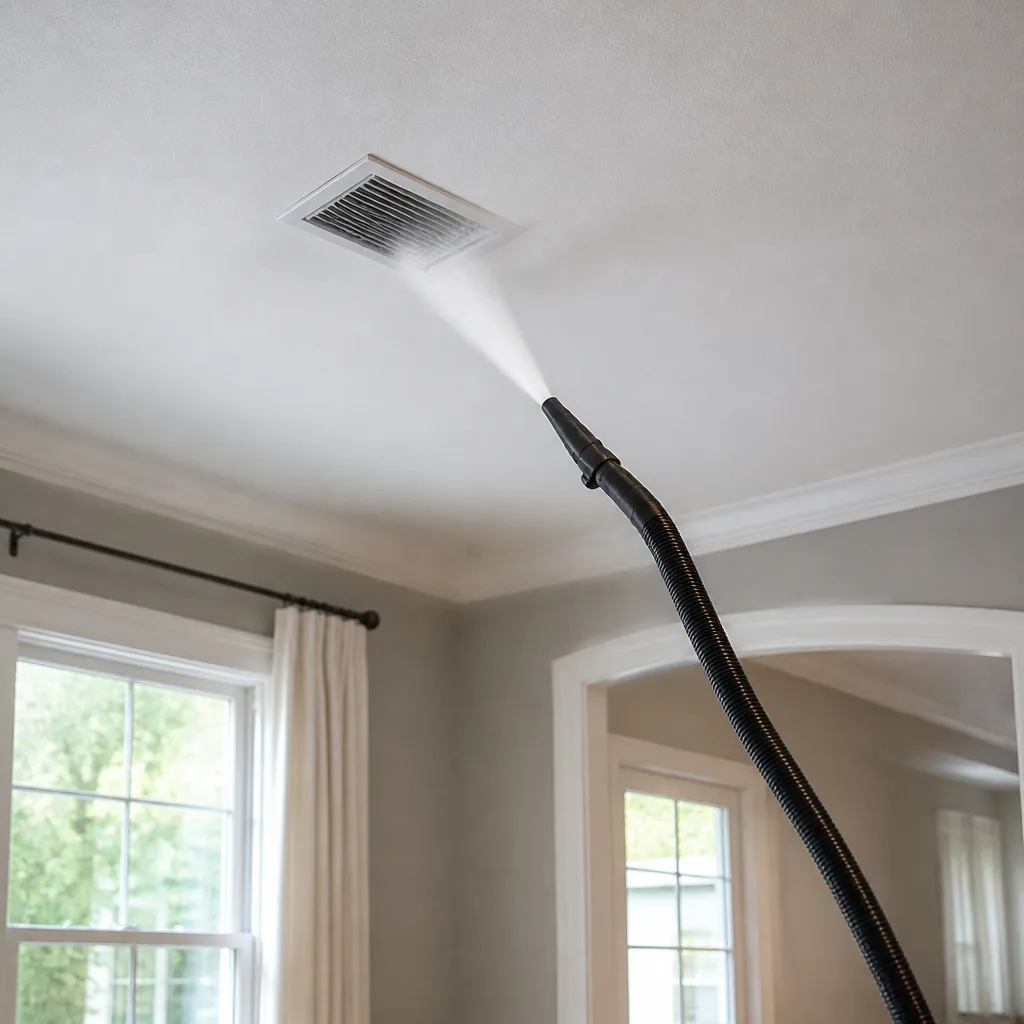 Sanitizing & deodorizing
Whole-system duct and dryer vent check with before-and-after photos - you see exactly what came out of your vents
That "$99 whole-house special" is a bait ad - the real number appears once they are in your hallway, or the "clean" is a shop-vac at the register. We photograph the inside of your ducts before and after instead.
Air Duct Cleaning Warning Signs: A Pelham Bay Homeowner’s Reference Guide
Visible dust on a supply register usually means the duct system has already been moving that debris through your breathing air for weeks. The register is just the last place it settles where you can see it. By the time a homeowner in Pelham Bay notices a dark ring around a vent, a musty smell in the hallway, or a bedroom that never gets warm, the underlying condition has had time to build. This guide works backwards from the symptoms you can see and smell to the system conditions actually causing them, so you respond to the right problem instead of the visible one. We’ll cover what each odor points to, why uneven room temperatures are often a duct problem rather than a thermostat problem, and when cleaning alone won’t fix what’s going on.
Quick Answer
The warning signs that matter most are visible dust streaks around registers, musty or chemical odors that appear only when the system runs, rooms that stay cold or warm no matter the thermostat setting, and allergy symptoms that flare indoors but ease outside. These point to contamination, obstruction, or air leakage inside the duct system. A single sign is worth investigating; two or three together usually mean the system needs attention before the next heating or cooling season.
Styles & brands we work with
- Whole-home duct cleaning
- Dryer vent cleaning
- Camera inspection
- Sanitizing & deodorizing
Table of Contents
- Why Dust Streaks Around Registers Are a Late Warning Sign
- What Each Odor Tells You About Duct Contamination
- Uneven Room Temperatures: Duct Problem or Thermostat Problem?
- Allergy and Respiratory Patterns That Point to Duct Contamination
- Visible Mold at One Register vs. Systemic Growth
- Post-Renovation and New-Move-In Signals
- Signs That Cleaning Alone Won’t Be Enough
- How a Proper Duct Inspection Actually Works
Why Dust Streaks Around Registers Are a Late Warning Sign
A dust ring or dark streak around a supply register is the most common thing homeowners call about, and it’s also the least urgent-looking. That’s because it’s the end of a long chain. Air leaves the furnace or air handler, travels through the duct run, and picks up whatever has settled or grown on the duct walls along the way. Only when it reaches the register does it slow enough to deposit visible particles on the grille and the wall around it.
What the streak tells you is that the system is carrying more particulate than it should. What it doesn’t tell you is where that particulate is coming from. In Pelham Bay, a lot of homes sit in close street traffic, and street-level dust has a way of working into return-side leaks and open plenum spaces over time. Add a furnace filter that gets changed a bit less often than it should, and you get a slow accumulation that shows up first at the registers.
A few patterns worth noting:
- Streaking on one or two registers only: often an air-balance issue or a leak near that branch, not a whole-system problem.
- Streaking on every register in the house: usually points to return-side contamination, meaning the debris is already circulating before it reaches the supply side.
- Gray smudges with a greasy feel: sometimes a sign of cooking oils or candle soot riding in the airstream and coating the duct lining.
- Dust that returns within a few weeks of cleaning the register face: the supply is being refilled from upstream, so the duct interior is the source.
The register face is easy to wipe. The duct interior behind it is not, and that’s the part that determines whether the dust comes back. If you want a sense of what a professional-grade cleaning actually covers, our air duct cleaning service page explains the contact-cleaning method we use with Rotobrush and Nikro equipment. It’s the difference between wiping the grille and reaching the surfaces the airstream passes over.
What Each Odor Tells You About Duct Contamination
Not every odor means the same thing. The type of smell, and when it shows up, tells you a lot about what’s growing or accumulating inside the system and roughly where. Here’s how we read the differences.
Musty or damp-basement smell
A musty odor that gets stronger when the system kicks on is the classic sign of biological growth in a cool, damp section of ductwork. Pelham Bay homes with basement-level air handlers and ductwork running through unconditioned crawl or basement spaces are the ones most likely to pick this up. The odor is strongest at the return-air grille, because that’s where the whole house draws in air that has picked up the smell.
Burning or hot-dust smell at startup
If the smell only hits for a minute or two when the heat first comes on after a cold stretch, it’s usually dust cooking off the heat exchanger. That’s normal once or twice a season. If it persists, or if it smells like scorched wiring, stop running the heat and call for a professional inspection. Electrical and heat-exchanger issues are not something to diagnose by nose.
Chemical or solvent odor
An off-gassing smell that shows up after new cabinets, flooring, paint, or furniture is common and usually stems from new materials in the living space, not from contamination in the ducts. But the ducts can hold those vapors longer than you’d expect, because the system cycles the same air through the house. Mechanical cleaning of the duct interior plus new filtration usually helps. If the smell is strong and persistent and you’ve had recent renovation work, that’s a signal to look at the ducts, not just to crack a window.
Pet, mold, or urine smell localized to one area
If the odor seems to sit in one part of the house rather than following the whole system, it’s more likely coming from a localized source – a return grille near a bathroom, a pet area, or a section of duct running under a floor. Localized smell usually means a localized problem, which is easier to trace.
For a system-wide odor, our air duct cleaning Pelham Bay page covers how a full-system cleaning handles contamination at the source rather than at the register. Odors carry information. We use it to decide where to look first.
Uneven Room Temperatures: Duct Problem or Thermostat Problem?
A bedroom that never gets warm, or a room that runs a couple of degrees cooler than the thermostat setting, gets blamed on the thermostat more often than the thermostat deserves. Thermostats read the air around them and call for heat or cool. They don’t know whether the air is actually reaching the rooms. In Pelham Bay’s older housing stock, where ductwork is often original to the HVAC system and may have been rerouted or extended more than once, obstructions and disconnected runs are common.
Telling the difference before you call anyone
Here’s a short diagnostic most homeowners can do safely with no tools:
- The register test. Hold your hand near the supply register in the cold room while the system runs. If airflow feels strong and steady but the room stays cold, the air may be reaching the room but at low volume from a heat-side issue. If airflow feels weak or barely there, suspect an obstruction or a disconnected duct.
- The comparison test. Compare that room’s register airflow to a register in a room that’s comfortable. A dramatic difference on the same system usually means a problem in that branch, whether a crushed duct section, a closed internal damper, or a disconnection in the attic or basement run.
- The thermostat test. Set the thermostat up several degrees. If the system runs but the temperature in the cold room barely moves, it’s not the thermostat – the air isn’t getting there.
- The return test. A room with no return-air path struggles to stay balanced. If the door is usually closed, try leaving it open and recheck the temperature. A closed door can starve a room of return air and throw off the whole house reading.
What you can’t do with your hand is see inside the duct. A crushed flex run, a joint that’s come apart, or a section of duct pulled loose under a floor all look like the same symptom to the homeowner. That’s a job for a professional inspection, and it’s the reason our team treats duct repair and sealing as part of the same service as cleaning. If a run is disconnected, no amount of cleaning will fix the comfort problem.
Allergy and Respiratory Patterns That Point to Duct Contamination
Allergy symptoms can come from a hundred sources, and it would be misleading to say that if you sneeze indoors, your ducts are to blame. What’s more useful is the pattern. Some symptom patterns point to outdoor air infiltration and the ordinary pollen and pollution every Pelham Bay household deals with in spring and summer. Others point to something the duct system itself is distributing.
Symptoms that tend to track duct contamination
- Worse indoors, better outdoors. Symptoms that ease when you leave the house and pick back up the moment you walk in suggest something inside the house is the source.
- Worse only when the system runs. If you notice a flare within minutes of the heat or AC kicking on, and it eases when the system cycles off, the airstream is carrying something.
- Concentrated in one room. Symptoms that are worse in a specific bedroom, usually the one with the most closed-door time and the least air movement, often point to a specific duct branch or return.
- Seasonal pattern that doesn’t match pollen. If symptoms are worst in winter, when the windows are shut and the heat runs hardest, that’s a house-air pattern rather than a pollen pattern.
When the cause is probably outdoor air
If symptoms get worse when the windows are open, ease indoors, or track with the changing pollen calendar, the source is mostly outside. A well-filtered HVAC system still helps, but you’re looking at filtration and ventilation solutions rather than duct cleaning.
The health question isn’t one a duct technician should answer alone. If you have a diagnosed respiratory condition, work with your doctor and use the visible and smellable signs on this page as your guide to when the system needs inspection. For biological contamination, the tools matter. We use Abatement Technologies equipment alongside our Rotobrush and Nikro systems specifically because mold spores and fine particulates need more than a shop vac to remove.
Visible Mold at One Register vs. Systemic Growth
Mold at a single register and mold growth throughout a duct system are two very different problems, and the difference changes the scope of what you should hire for. This is also where bait-and-switch remediation quotes most often show up, so it’s worth understanding the signs before you call anyone.
Localized mold
A single patch of mold around one register, or on the grille itself, often comes from condensation on a cold surface during cooling season. Pull the grille and look at the visible interior of the boot. If the mold is limited to the face and the first few inches, that usually points to a moisture issue at that spot, not a system-wide problem. The fix is often addressing the source of moisture – an air leak, a register pointed at a humid surface, a leaking condensate line nearby – plus cleaning that section.
Systemic mold
Signs that mold has spread beyond one register:
- Multiple registers showing growth on the visible interior, especially ones widely separated in the house.
- A musty odor at the return grille that’s present whether or not any single supply is running.
- Visible growth on the inside of the air handler cabinet or the insulation lining inside the return plenum.
- Growth on more than one floor of the house.
When you see systemic signs, the conversation shifts from cleaning to remediation – and to finding the moisture source that let the growth happen. Cleaning without fixing the moisture will bring the problem back. That’s where our HVAC cleaning service, plus duct repair and sealing, matters: we address the air handler, the return path, and any leaks that let humid air into the system in the first place.
Avoiding unnecessary remediation upsells
Two rules of thumb protect you here. First, no one should tell you a duct system needs full remediation based only on how one register looks. Ask for the reasoning and ask to see what they’re looking at. Second, if the answer to “why is there mold?” is “we don’t know,” the moisture source hasn’t been found, and no amount of cleaning will hold. A good professional will tell you when the problem is bigger than a cleaning and when the fix is simpler than a full gut.
Post-Renovation and New-Move-In Signals
Renovation dust is not like the dust you deal with in ordinary housekeeping. Drywall dust, sawdust from framing and cabinetry work, insulation fibers from a wall opening, and the fine particulate that comes from cutting tile or sanding joint compound all get pulled into the return-air system while work is happening. Much of it sits in the ductwork long after the plastic sheeting comes down.
Pelham Bay has a steady amount of renovation and turnover, and we see two common situations:
- The renovation finished but the air hasn’t settled. The owner notices a persistent haze, a film on surfaces, or an odd smell that doesn’t clear even after repeated cleaning of the living areas. The building surfaces are clean; the duct interior is not.
- New homeowner in an older house. A move into a Pelham Bay home built decades ago, where the ducts have been cleaned occasionally or never, and the new owner has allergy or comfort concerns. Without a documented service history, a professional inspection is the sensible starting point before deciding what’s needed.
During renovation, it helps to change the filter more often and seal the return grilles in the work area if your contractor can do that safely. Once the work is done, if you’re still seeing airborne dust weeks later, a duct inspection is the right conversation. A note on the process: use the equipment the contaminant calls for. Post-renovation fine particulate and insulation fibers need HEPA-rated capture, which is why we use Nikro vacuums rated for that job rather than consumer-grade machines.
Signs That Cleaning Alone Won’t Be Enough
Some duct problems look like a cleaning request but aren’t. If any of these signs are present, a good professional will tell you to fix the underlying condition first – otherwise the cleaning is wasted money. This is the section the “why is a cleaning more expensive than I expected?” conversation usually comes back to.
When repair has to come before cleaning
- Duct sections that are disconnected or crushed. Air isn’t moving the way it should. Cleaning won’t reconnect a run. Sealing or repair is the job.
- Return-side leaks drawing in unconditioned or dirty air. If the return pulls from an attic, garage, or crawlspace without a proper seal, the system is breathing contaminated air. Sealing is the fix.
- Insulation lining damaged or shedding particles. Replacing compromised lining comes before cleaning the system so the source of the shedding is removed.
- An air handler or coil that’s visibly fouled. A coil caked with debris needs cleaning or replacement to restore proper air distribution; cleaning the ducts alone won’t fix the performance problem.
- Active moisture intrusion. Standing water, ongoing condensation, or a humid unconditioned space feeding the system has to be corrected before or during cleaning, or biological growth returns.
- Aging, brittle ductwork. Very old duct tape or mastic that’s failed on multiple joints is a sign the duct system needs sealing work, not just a pass with a vacuum.
How to think about the scope
A proper inspection tells you what you’re dealing with in three roughly even zones: the supply ducts, the return ducts, and the air handler and coil. Most cleaning-scope vs. repair-scope decisions come down to what the inspection shows in the return side and the air handler. Our dryer vent cleaning service is a good reminder that the same logic holds outside the HVAC system – a vent that’s partially blocked or damaged won’t work correctly until the underlying restriction is addressed, not just the visible lint.
How a Proper Duct Inspection Actually Works
When you call a professional to look at a suspected problem, here’s what a proper inspection typically covers. Knowing the steps helps you judge who you’ve hired and what to expect.
- Walkthrough and information gathering. Which rooms are cold or warm, when symptoms started, whether there’s been a renovation, and how the system has been maintained. Symptoms like dust patterns and odors often point to the answer before tools come out.
- Airflow checks at the registers. A simple measure of airflow at each supply and return tells you whether branch runs are performing evenly, and where the outliers are.
- Visual inspection of the air handler and coil. The inside of the air handler cabinet, the coil face, and the return plenum are checked for visible debris, moisture, and biological growth.
- Camera inspection of the duct interior where needed. A flexible camera helps see into runs that are not visible from a register.
- Leak checks on accessible return and supply runs. Joints and seams are checked for disconnection, crushing, or failed sealing.
- A written scope before any work starts. A professional should tell you what they found, what they recommend, and what it will cost as a single flat price for the job before starting.
What a proper inspection does not include: a technician telling you the entire system needs to be torn out based on a glance at one register, or a price that changes once the equipment is on site. One flat price per system, agreed before work starts, is the standard to hold anyone to. We also take before-and-after photos of the duct interior as part of the job – not as a sales aid, but so you can see what changed.
Common Mistakes to Avoid
- Cleaning the registers instead of the ducts. Wiping down the visible grille face is housekeeping. If the source is upstream in the duct, the dust returns within weeks.
- Assuming a low per-vent quote is a good deal. A per-vent price encourages a “do as many as fits the budget” approach and often comes with upsells once the technician is on site. Whole-system pricing is the fairer comparison.
- Deciding where the mold is before anyone looks inside. One register with a spot of mold does not necessarily mean the whole system needs remediation. Ask for camera evidence and reasoning.
- Cleaning a duct system with a leak or disconnected run. You’re cleaning a system that will pull in the same contaminant again. Repair and sealing first, or the cleaning doesn’t hold.
- Ignoring the return side. The return-air grille is where the most contamination usually sits in a Pelham Bay house, and it’s often the part a bargain cleaning skips.
- Skipping the air handler. The coil and cabinet collect debris, moisture, and growth too. Cleaning only the ducts leaves half the system alone.
- Not changing the filter as part of the fix. A fresh filter after a cleaning is basic. If the filter clogs fast, that’s a signal worth following up on.
See the difference
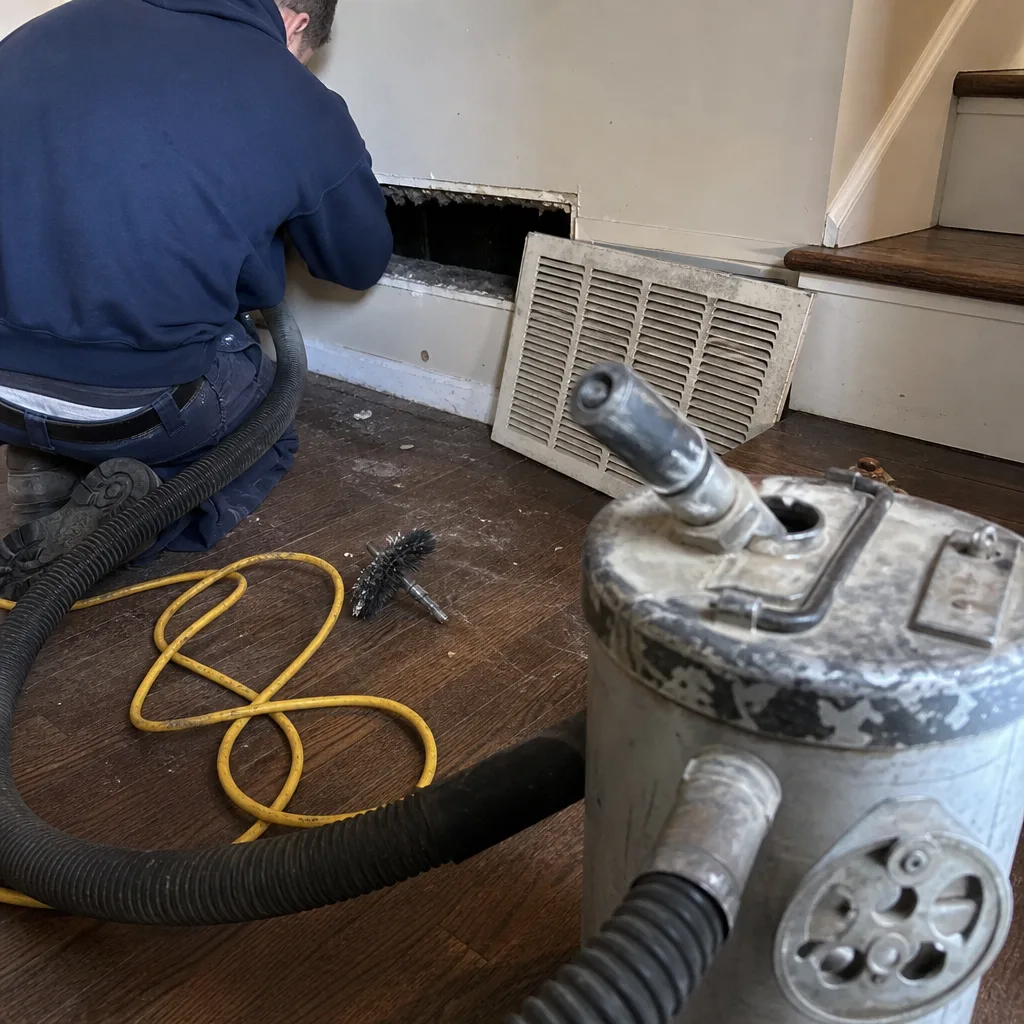 Before
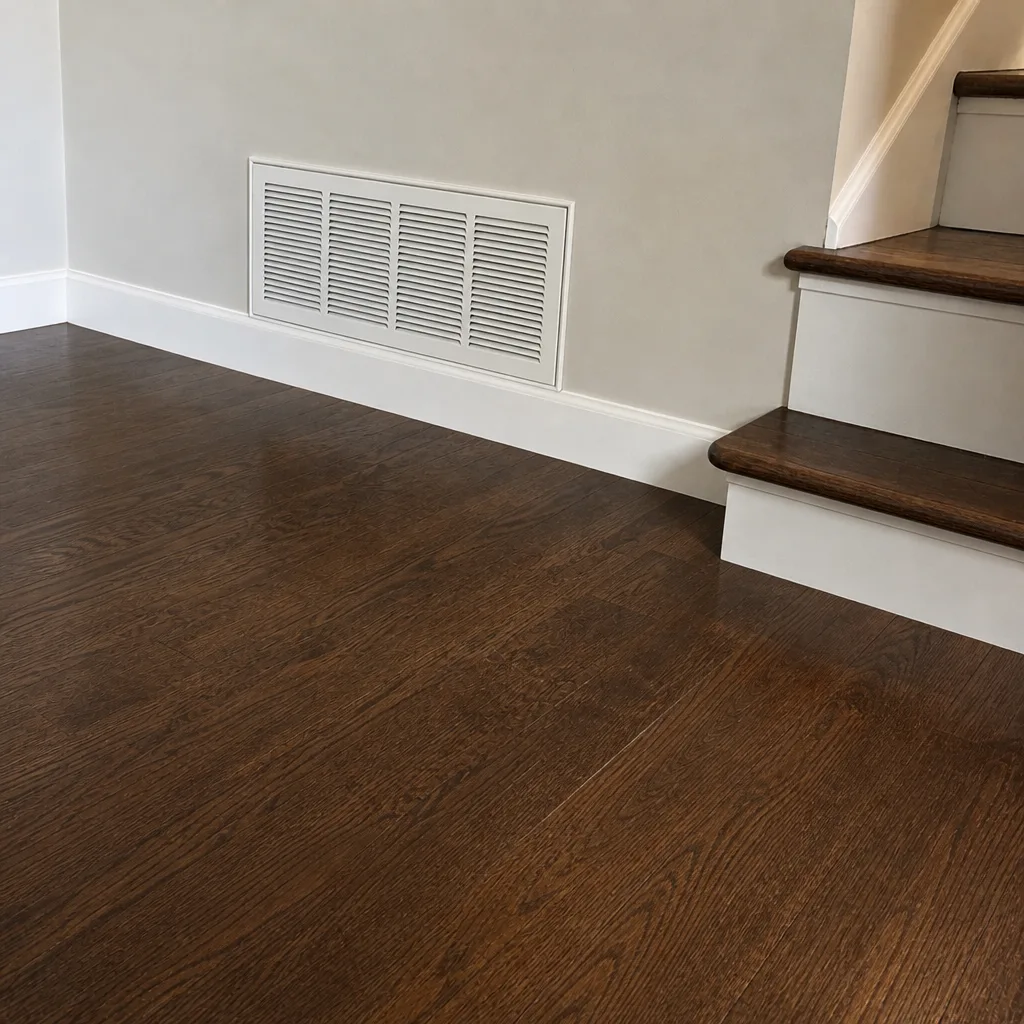 After
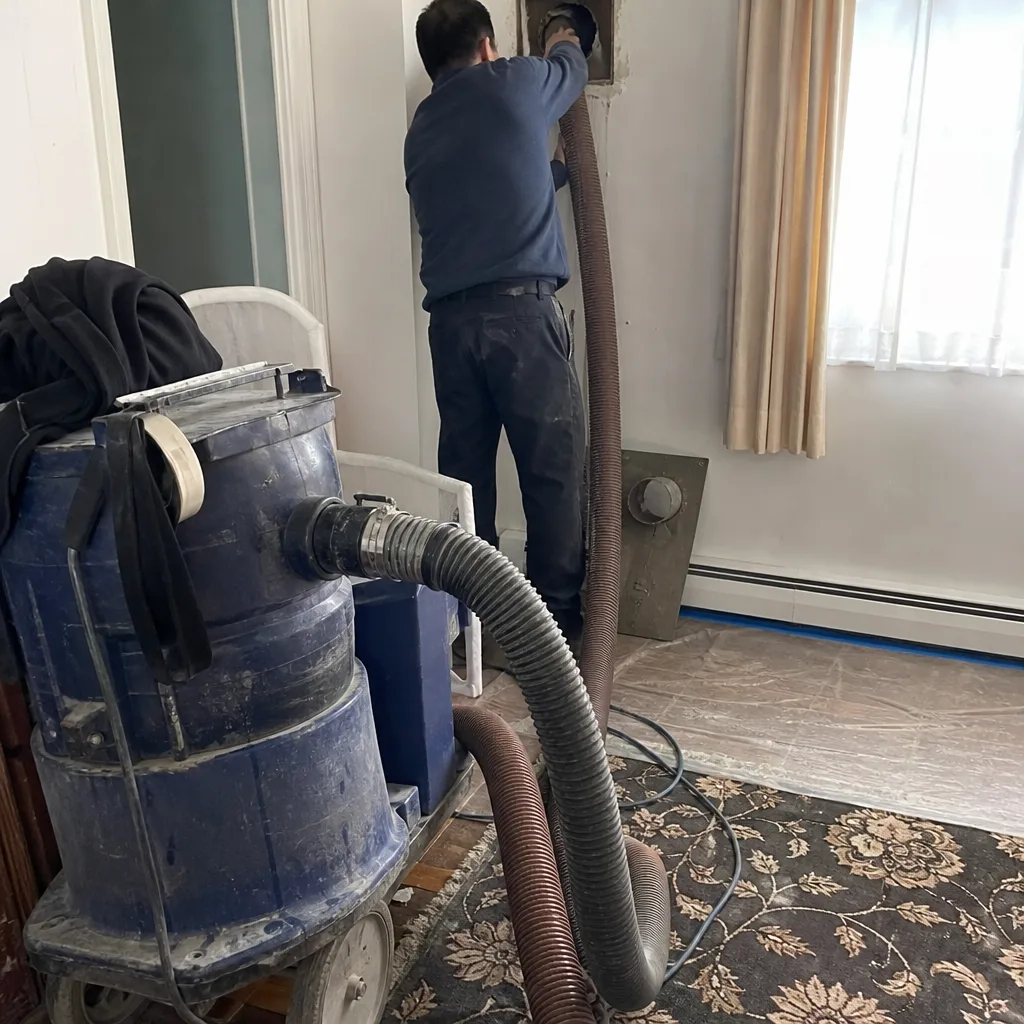 Before
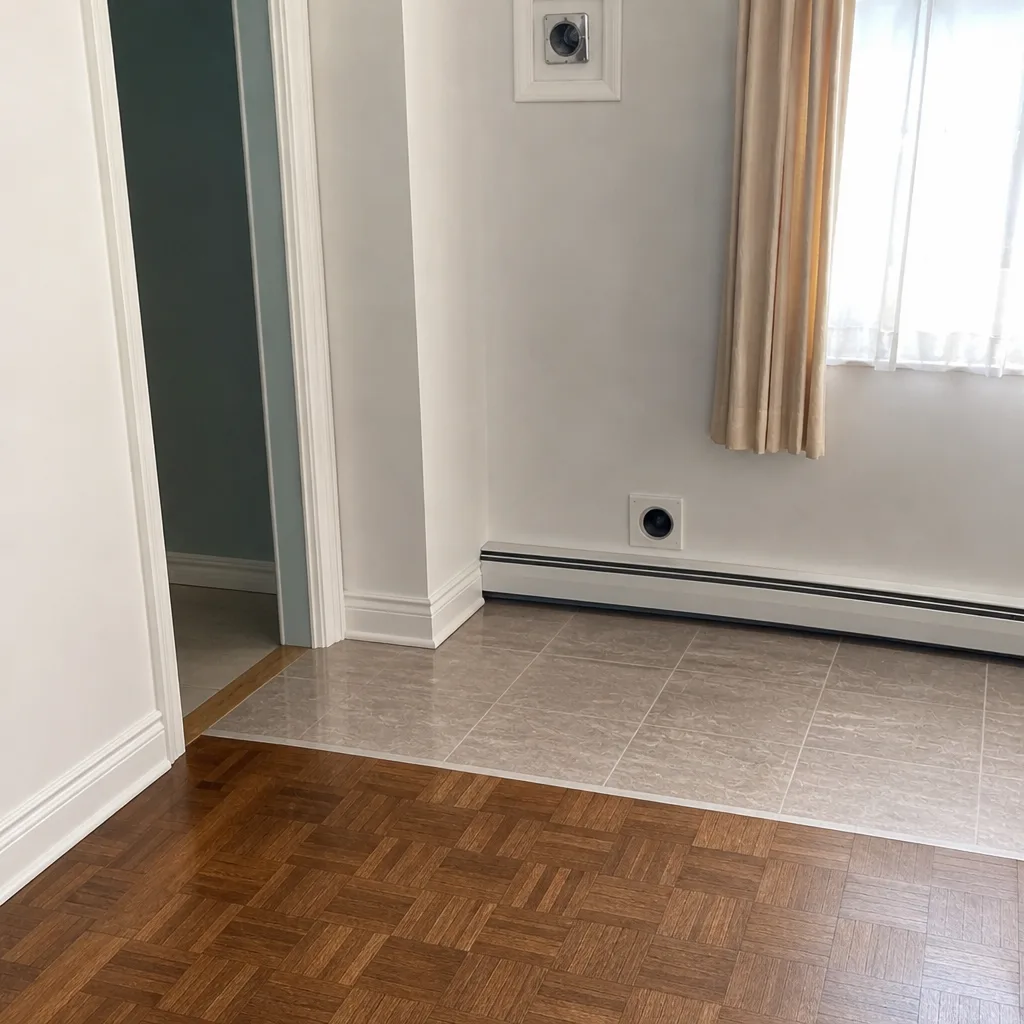 After
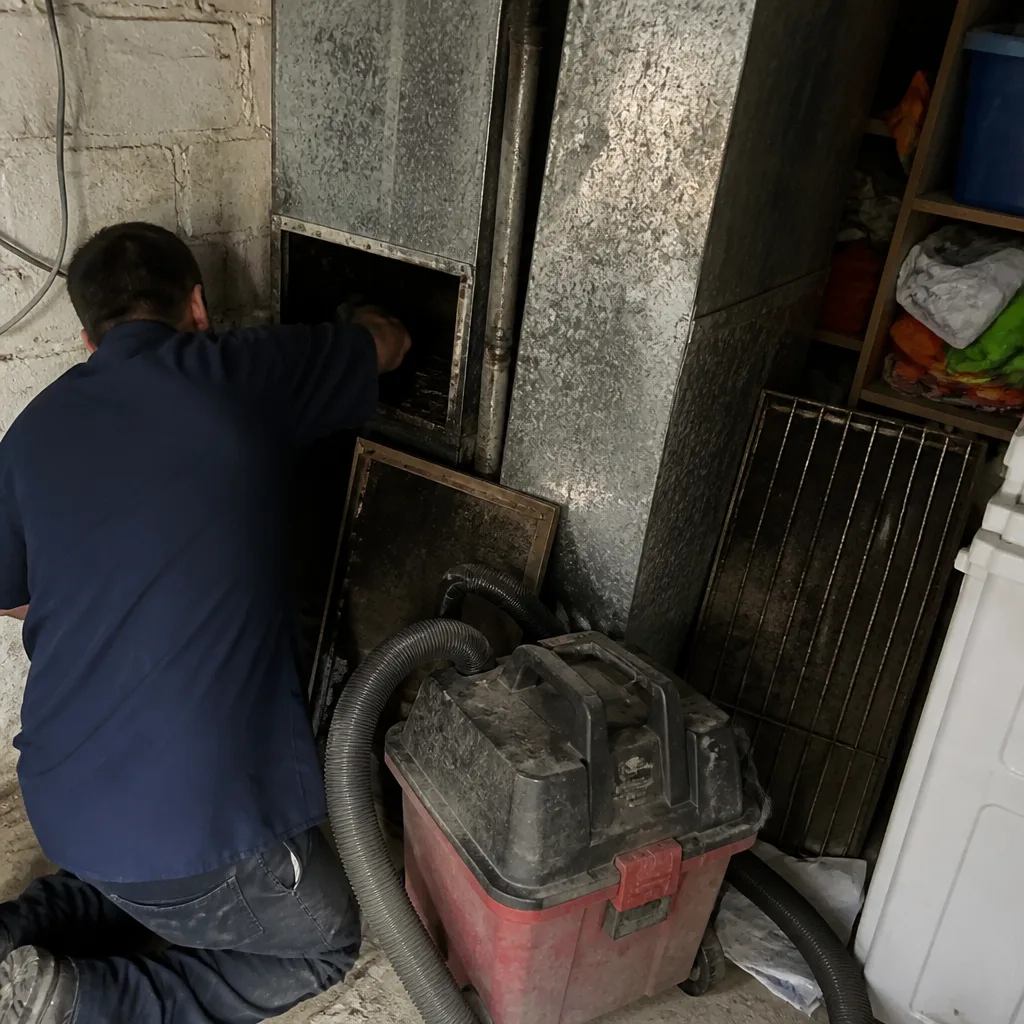 Before
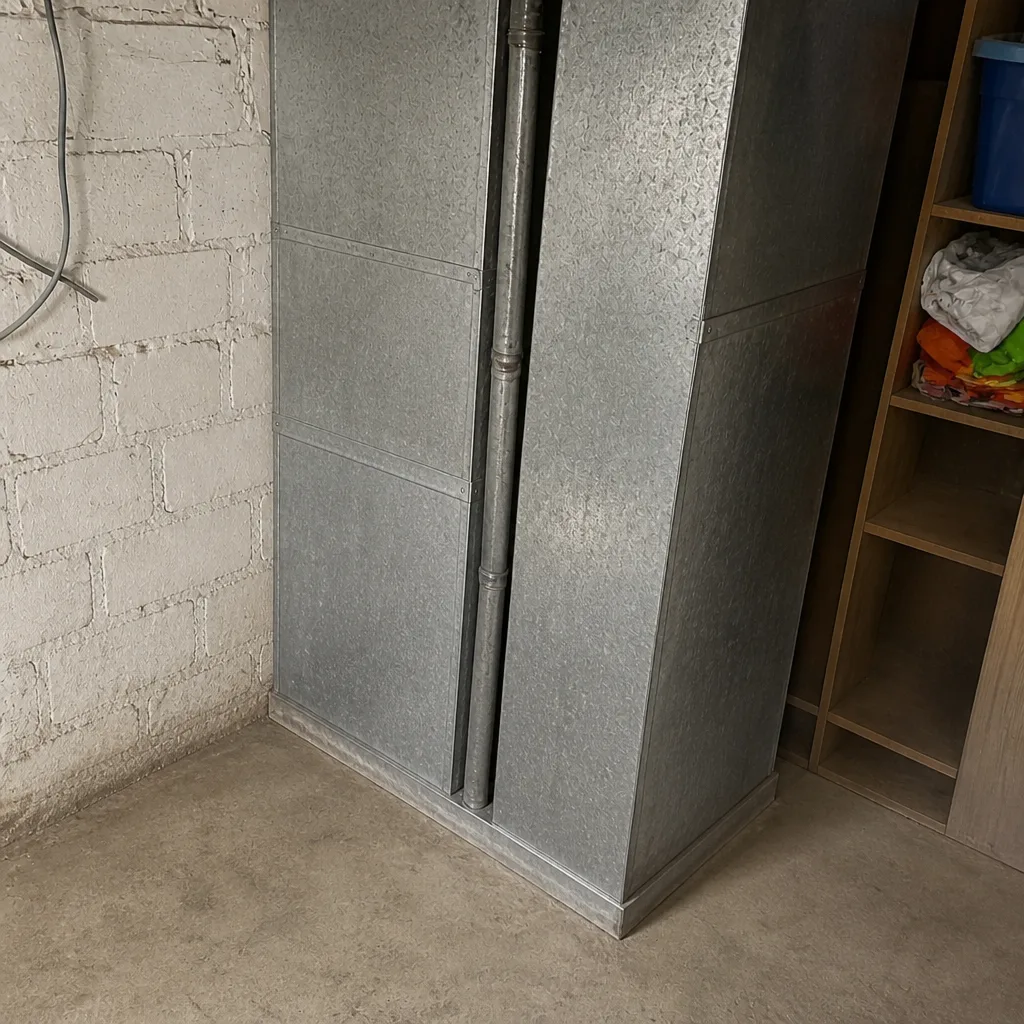 After
When to Call a Professional
Call a professional when you’re seeing two or more warning signs together: dust streaks reappearing on the registers, a musty smell only when the system runs, a room that won’t heat or cool evenly, or allergy symptoms that flare indoors and ease outside. Call straightaway if there’s a burning smell that persists, visible mold on more than one register, or standing water anywhere near the air handler – those are not “wait and see” situations. A homeowner can read the symptoms; only an inspection can tell you whether the fix is cleaning, sealing, repair, or some combination. Air Duct Cleaning Pelham Bay offers free estimates in Pelham Bay – call (877) 492-4238. We answer 24/7. Fast dispatch from 7am to 7pm, Sunday through Friday.
Frequently Asked Questions
Duct cleaning is quoted as a flat price for the whole system, not per vent, and the written estimate sets the final number. Prices depend on system size, how many returns you have, whether the air handler is included, and whether repair or sealing is needed. We give you a flat price per system before any work starts, and the estimate is free. Call (877) 492-4238 for an exact quote.
Cheap quotes usually cover less – often only a partial pass at the visible supply runs, sometimes with a per-vent price that grows as the job proceeds. Bargain-priced operators also tend to use consumer-grade vacuums that dislodge dust without capturing it, which can make things worse rather than better. Ask what equipment they use, whether they clean returns and the air handler, and whether the price is per system or per vent. Then compare. Call (877) 492-4238 for a quote you can compare on equal terms.
Ask for before-and-after photos of the duct interior, taken during the job. A professional should be willing to show you what was reached and what changed, and to walk you through what they found in the return side and air handler. If a provider can’t or won’t show evidence, that’s your answer. Call (877) 492-4238 and ask us to walk you through the process.
For most Pelham Bay homes, every few years is typical, with a faster interval after a renovation, after a move into an older house with unknown service history, or if anyone in the household has respiratory concerns. Homes with pets, heavy street-facing traffic exposure, or a history of moisture in the system may benefit from a closer interval. There’s no universal number – a proper inspection gives you a real answer. Call (877) 492-4238 for an assessment.
Sometimes. A single dusty register can mean a local air-balance issue or a minor leak near that branch. Dust on multiple registers, or dust that comes back within weeks of cleaning, is the stronger signal that the duct interior is the source. Start with an inspection before you commit to a cleaning. Call (877) 492-4238 to book one.
Cleaning removes debris from the duct surfaces. Sanitizing treats what’s left after the physical contamination is gone, and it’s aimed at biological growth and residual odor. The two services are often paired, but cleaning has to come first – sanitizing over a duct full of debris doesn’t do much. For a system with biological growth, our team uses Honeywell and Aprilaire products after the mechanical cleaning is complete. Call (877) 492-4238 to discuss what your system needs.
The Bottom Line
The visible warning signs are the last stop in a longer chain. If you see dust at the registers, notice a smell that shows up when the system runs, or feel that a room just doesn’t heat right, the useful move is to find the cause, not to scrub the symptom. Odors tell you what kind of contamination you have, temperature imbalances usually point to a duct problem rather than a thermostat, and mold patches or persistent moisture mean the source has to be fixed before cleaning can help. In Pelham Bay, a proper inspection – followed by cleaning, repair, sealing, and sanitizing as needed – gets to the cause. Air Duct Cleaning Pelham Bay offers free estimates in Pelham Bay. Call (877) 492-4238. We answer 24/7. Fast dispatch from 7am to 7pm, Sunday through Friday.
Written by the team at Air Duct Cleaning Pelham Bay.