
Last updated November 25, 2026
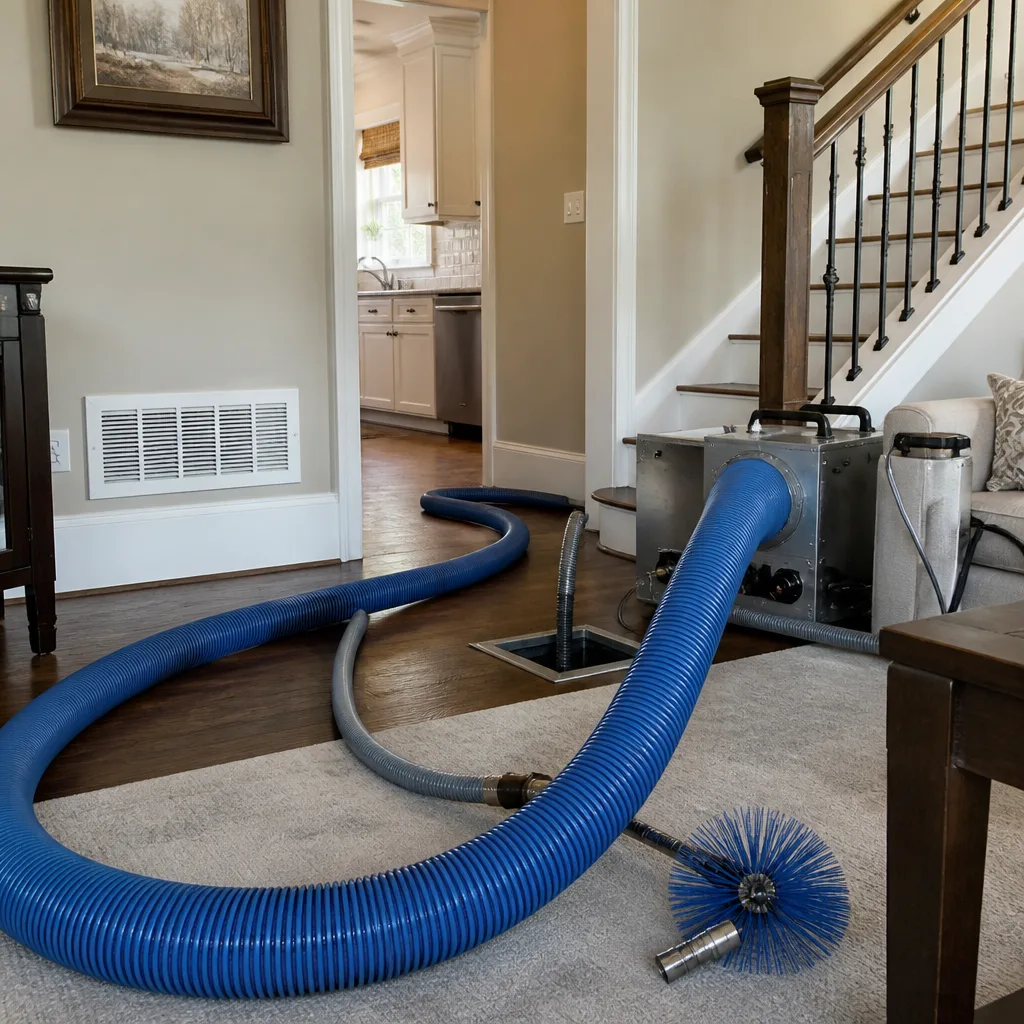 Whole-home duct cleaning
 Dryer vent cleaning
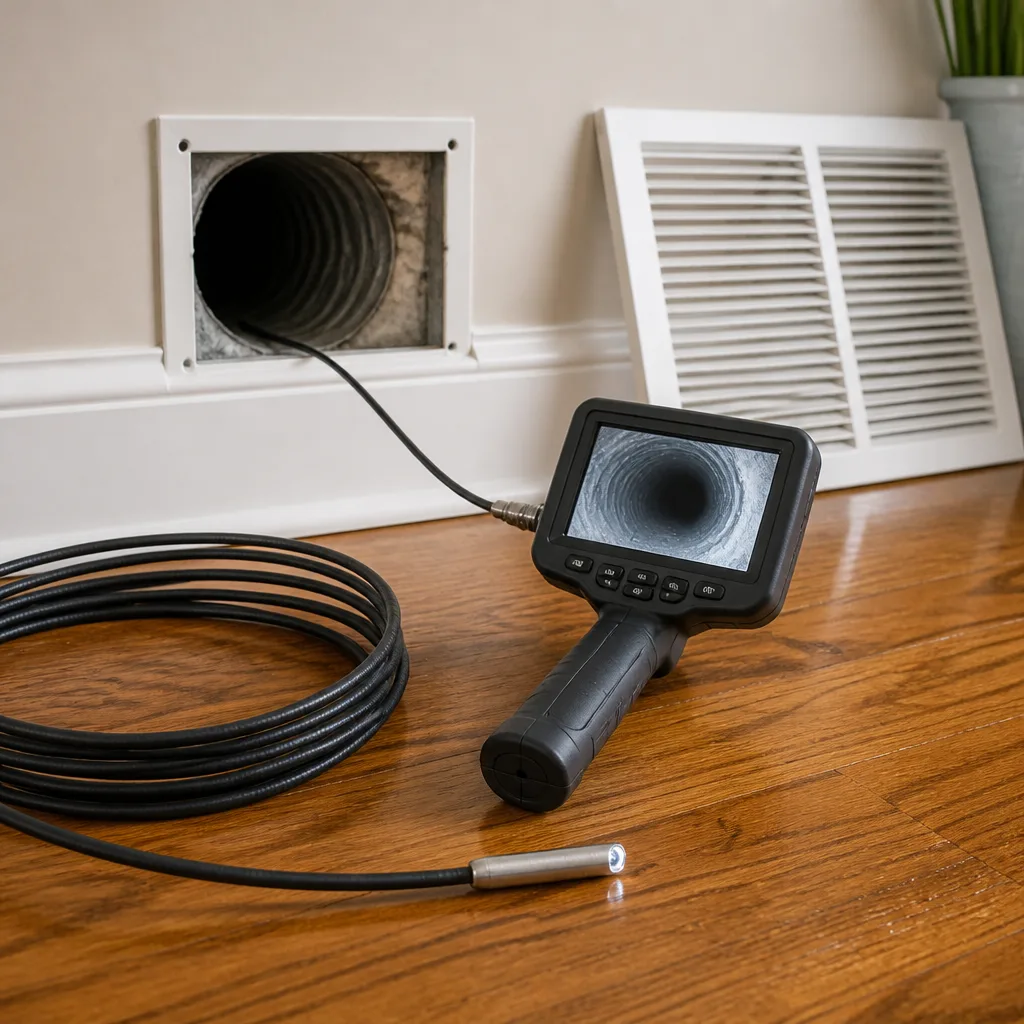 Camera inspection
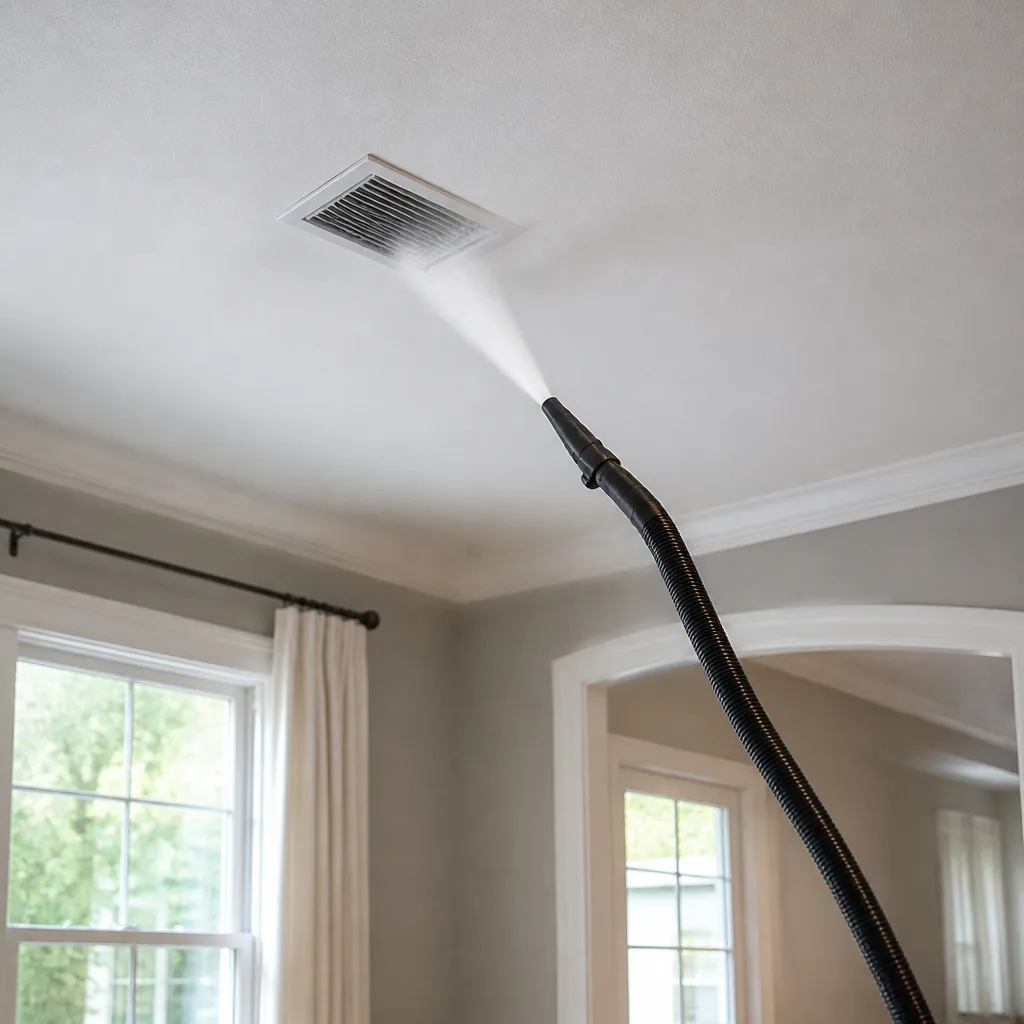 Sanitizing & deodorizing
Whole-system duct and dryer vent check with before-and-after photos - you see exactly what came out of your vents
That "$99 whole-house special" is a bait ad - the real number appears once they are in your hallway, or the "clean" is a shop-vac at the register. We photograph the inside of your ducts before and after instead.
Air Duct Cleaning Maintenance Checklist for Pelham Bay Homeowners
Most duct maintenance advice comes down to two words: change filters. That’s not wrong, but it’s incomplete. Filters are one input in a system where airflow, humidity, and debris load all move together, and a filter swap without any reading of the other two can hide a problem rather than solve it. Pelham Bay homes sit in a climate with real seasonal humidity swings, and that matters more to duct health than most checklists admit. This guide gives you a month-by-month tracking routine, a five-minute register inspection, MERV guidance tied to blower capacity, and a logging format that stays useful if you ever need a contractor to read your system history.
Quick Answer
A workable duct maintenance checklist for Pelham Bay tracks four things on a schedule: filter changes, indoor relative humidity, a visual register inspection, and a dated log of every action. Clean or service the system professionally when those records show a pattern of rising dust, humidity over roughly 60% for extended stretches, visible growth at the registers, or a return grille that keeps loading up faster than the filter interval should allow. Frequency alone doesn’t tell you much. The pattern does.
Styles & brands we work with
- Whole-home duct cleaning
- Dryer vent cleaning
- Camera inspection
- Sanitizing & deodorizing
Table of Contents
- Month-by-Month Checklist for Pelham Bay Seasons
- The Five-Minute Register Inspection
- Choosing a MERV Rating Without Choking Your Blower
- Humidity Thresholds That Drive Duct Contamination
- Heating Oil vs. Gas Systems in Pelham Bay Homes
- How to Log Maintenance So It’s Actually Useful
- Don’t Forget the Dryer Vent
- Common Mistakes to Avoid
Month-by-Month Checklist for Pelham Bay Seasons
Static intervals like “every three months” ignore how a forced-air system actually behaves in this part of the Bronx. Pelham Bay’s shoulder seasons, spring and fall, bring damp, mild weather when the heat and the air conditioning are both mostly idle. That’s when ducts sit with no airflow and any residual moisture has time to settle. The tracking routine below spreads the work across the year so no single task gets skipped.
- January. Check the filter. Peak heating season loads a filter fastest, so this is the month to confirm the interval you chose is holding. Note the date and the filter’s appearance in your log.
- February. Take a humidity reading in the middle of the living space, not near a bathroom or kitchen. Cold outdoor air usually means low indoor humidity, which is fine for duct health but worth recording for the pattern.
- March. Do the five-minute register inspection described below at two or three registers. Early spring is when the system switches over, and a quick look now catches debris before cooling season pushes it through the house.
- April. Replace the filter before air conditioning starts running regularly. Record the MERV rating and the model so you can reorder the same one.
- May. Check indoor humidity. This is the first month damp air typically shows up. If it’s climbing, note it.
- June through August. Monthly filter checks and humidity tracking. Cooling season means condensation on the coil, so this is the stretch where any airflow problem gets expensive. Look at the condensate drain area if it’s accessible.
- September. Inspect registers again before the heating season. The second shoulder season is the one that catches people out.
- October. Replace the filter ahead of heating season and take a final humidity reading. If the pattern across the year shows repeated high humidity or fast filter loading, that’s your signal to schedule a professional assessment.
- November and December. Monthly filter checks. Add a dryer vent lint check to the routine and put a recurring reminder in your calendar.
Adjust the spacing if your system runs harder than most. A house with a large return and a small filter will load faster than the calendar suggests, and the log will tell you that within a season or two.
The Five-Minute Register Inspection
You don’t need tools for this, and you shouldn’t remove ductwork to do it. The point is to look at what the system is depositing at the point where air enters a room, because that’s the earliest visible signal of a problem upstream.
- Turn the system off. Wait a minute for the fan to stop so you’re not looking at a moving target or getting dust blown at you.
- Look at the register face. A light, even film of dust is normal. Uneven dark patches, especially near the edges where air velocity is highest, suggest debris is being carried rather than settled.
- Shine a light into the boot. Use a phone flashlight at an angle. You’re looking for buildup on the visible duct wall and for anything that looks fuzzy, speckled, or discolored compared with the surrounding metal.
- Check for moisture. Run a dry tissue along the inside lip of the register. A cold, damp feel in cooling season can be condensation, and persistent dampness at a register is worth flagging. Any visible growth that looks like mold should be treated by a professional, not scrubbed at with a household cleaner.
- Sniff the air. A musty or earthy smell at one register and not others often points to that run of duct specifically.
- Note the date, the register location, and what you saw. One observation tells you little. Four observations across a year tell you where the problem is and whether it’s getting worse.
If what you find is a dark, spreading patch or visible growth, stop and call a professional. That’s a job for equipment with real contaminant capture, not a shop vac from the hardware store.
Choosing a MERV Rating Without Choking Your Blower
MERV ratings measure how well a filter captures particles, and the instinct to go higher is understandable. But a filter that’s too restrictive for your blower reduces airflow, and reduced airflow is one of the more reliable ways to make contamination worse rather than better. Less air moving means less of it getting filtered, more condensation on a cold coil, and a system running longer and hotter than it should.
The practical approach is to start at the rating your system was designed for, which is often printed on a sticker near the air handler or in the manual, and move up one step at most before you check how the system behaves. Signs that you’ve gone too far include:
- Registers feel weaker than they used to when you hold a hand up to them
- The blower sounds different, or the system seems to run longer to reach the same temperature
- The filter itself loads up much faster than the previous rating did
- Dust appears at the registers sooner than it used to, which sounds backwards but happens when airflow drops and debris settles in the ducts instead of reaching the filter
A higher rating isn’t a substitute for cleaning; it’s a choice that only works within the airflow the blower can support. In Pelham Bay homes with older duct layouts and shorter return runs, the margin is often tighter than the filter packaging suggests. When our technicians assess a system, they look at the whole airflow picture before recommending anything, because the filter is only one part of it.
Humidity Thresholds That Drive Duct Contamination
Indoor relative humidity is the variable most homeowners never track, and it’s one of the most useful. High humidity doesn’t just feel uncomfortable; it gives biological growth a foothold on any surface that stays damp, including the inside of ductwork and the cooling coil. In Pelham Bay, the shoulder seasons are the tricky part. The outdoor air is mild and damp, the heat is off, the air conditioning is mostly off, and the system sits idle with moisture in it and no airflow to dry it out.
A cheap hygrometer, the kind that sits on a shelf and reads temperature and indoor relative humidity, is enough to track this. Record the reading once a month. Broad guidance is that indoor humidity consistently above roughly 60% is where you want to pay attention, and sustained damp conditions are the reason to look harder at the system rather than just the thermostat.
- Below 40%: Dry air, typical through heating season. Low risk to ducts. Note it and move on.
- 40% to 60%: Comfortable range. Keep tracking monthly.
- Above 60% for more than a few weeks: Damp conditions that favor growth. Ventilation and dehumidification matter more here than another filter change.
The reason this belongs on a duct checklist and not just a comfort list is that humidity and duct contamination are linked through condensation and the biology that follows it. A pro looking at your system can use that history, and so can you. It’s one of the signals that tells you whether cleaning is actually needed or whether the humidity is a separate problem that cleaning won’t solve.
Heating Oil vs. Gas Systems in Pelham Bay Homes
Pelham Bay has a real mix of heating systems. Some homes run forced-air gas furnaces, others use oil-fired equipment, and plenty run a heat pump or a hybrid arrangement with electric auxiliaries. The ductwork is usually similar, but the maintenance rhythm differs because what the air carries through the system differs.
Oil systems tend to leave a faint, sometimes sooty residue over time, and an oil furnace that isn’t burning cleanly can distribute fine particulate through the house rather than out a flue. That’s one more reason to keep the filter interval honest and to look at the registers with some attention. Gas systems burn cleaner, but the airflow pattern and the coil are the same, so the humidity and filter logic still applies.
What doesn’t change between the two is the equipment needed to actually clean a duct system. A household vacuum won’t do it. Our approach uses Rotobrush contact-cleaning systems and Nikro HEPA-rated vacuum equipment, the same class of tools commercial contractors rely on, because the point is to capture what’s loosened rather than redistribute it into the room. For contaminant situations, Abatement Technologies tools extend that capability to the fine particulates and allergens a standard setup leaves behind.
The full scope, from cleaning through repair and sealing to sanitizing, is what lets a single visit address the whole forced-air system instead of treating one symptom. If you want a broader view of what that looks like, our air duct cleaning service page lays out the process and the equipment involved.
How to Log Maintenance So It’s Actually Useful
A maintenance log is only worth keeping if someone else could read it and understand your system. That means dates, specific actions, and observations in plain language. A spreadsheet with columns works. A notebook works. What doesn’t work is a mental note you’ll remember later, because the whole value of the log shows up months after the fact.
Use these columns:
- Date. The day you did the thing, not the day you meant to.
- Task. Filter change, humidity reading, register inspection, dryer vent check.
- Detail. Filter MERV rating and size, humidity percentage, which register you looked at.
- Observation. “Light dust, even.” “Dark patch at hall register.” “Humidity 64%.” Keep it to a sentence.
- Action taken. Nothing needed, replaced filter, called for service.
Two situations make this log genuinely valuable. The first is a service call: a technician who can see that your filter interval is three months and your observed dust is returning in two knows something is loading faster than it should, and can look at airflow and duct condition with that in mind. The second is a home sale, where a clear record of maintenance reassures a buyer far more than an unsubstantiated claim. Either way, the log should include records of any professional service, including what was done and on what date.
Recording humidity is the habit most likely to pay off. Indoor relative humidity over time, alongside filter intervals and register observations, forms the pattern the checklist is built around. A plumber logging readings isn’t the same as a duct evaluator, but the two sets of records together paint a fuller picture than either does alone.
Don’t Forget the Dryer Vent
Your dryer vent is part of the same air-handling picture, and it’s the one line item people skip most often. Lint accumulates in the vent run, and a restricted vent means the dryer works harder, runs hotter, and takes longer. It’s also a genuine fire concern, which is why it belongs on the maintenance schedule rather than in the “someday” pile.
What to track:
- Check the lint screen before every load. This is the easiest habit and the one with the biggest effect.
- Look at the exterior vent flap while the dryer runs. It should swing open freely. If it stays shut or flutters weakly, the run is likely restricted.
- Notice drying time. When clothes suddenly take two cycles where one used to work, that’s a signal.
- Log the date of any professional dryer vent service so you have a record of the run being cleared.
For a full explanation of what a professional service covers, see dryer vent cleaning. The same full-system thinking applies to the next item on the list.
HVAC cleaning is the other half of keeping the forced-air system honest. A clean duct run with a fouled coil or blower just moves contaminated air more efficiently, so the unit itself needs attention on a schedule that matches the duct work. Our HVAC cleaning page covers what that involves and how it fits with the rest of the maintenance routine. It’s part of why a single provider handling everything from ducts to vents to the unit makes sense: the people looking at one part know what the others look like.
Common Mistakes to Avoid
- Treating the filter as the whole checklist. A filter change without a humidity reading or a register look misses the two signals that predict contamination best. Track all three together and the pattern becomes visible.
- Upgrading MERV without checking airflow. A restrictive filter on a blower that can’t push through it reduces airflow and can make dust settle in the ducts. Move up a step, then watch how the registers feel.
- Skipping the shoulder seasons. In Pelham Bay, spring and fall are when the system sits idle with moisture in it. That’s when to inspect, not just when you remember to.
- Scrubbing visible growth at a register yourself. If it looks like mold, it’s a job for professional contaminant removal, not a household cleaner. The growth is usually upstream of what you can see.
- Keeping no log. A four-observation history across a year tells a contractor where to look. A mental note doesn’t survive six months.
- Choosing the cheapest bid on a cleaning. A low quote that turns into a much larger invoice once the equipment is on site is a known problem in this trade. Ask for a flat price per system before any work starts.
- Ignoring the dryer vent. It’s part of the air system and a fire concern on its own. Put it on the same calendar as the rest.
See the difference
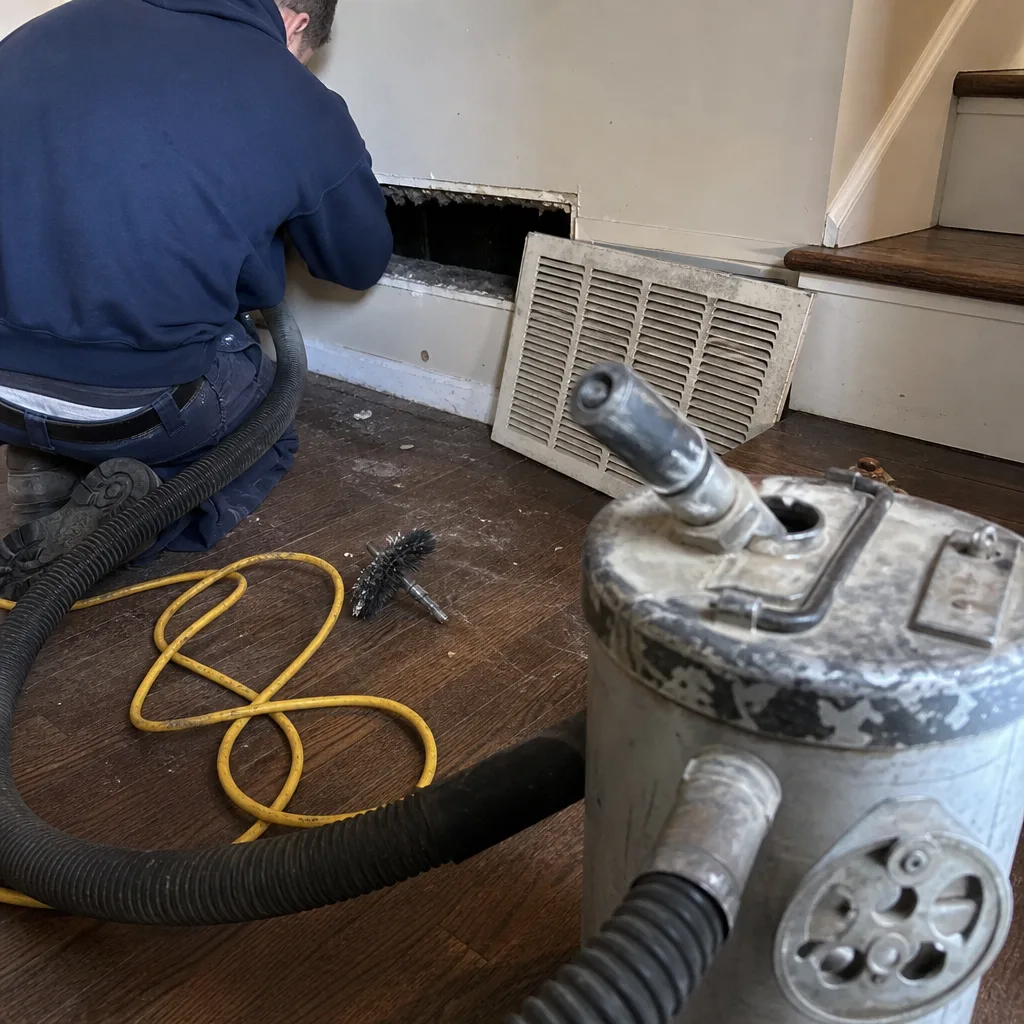 Before
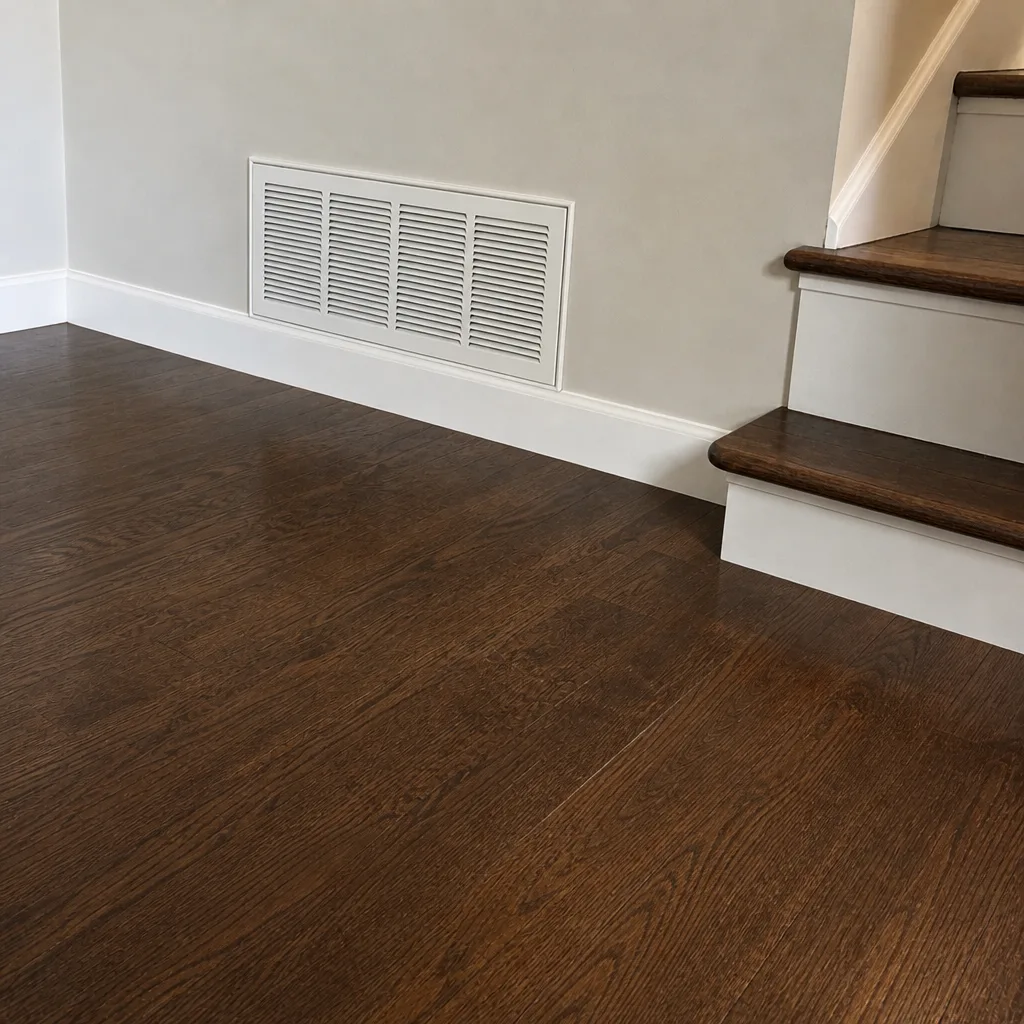 After
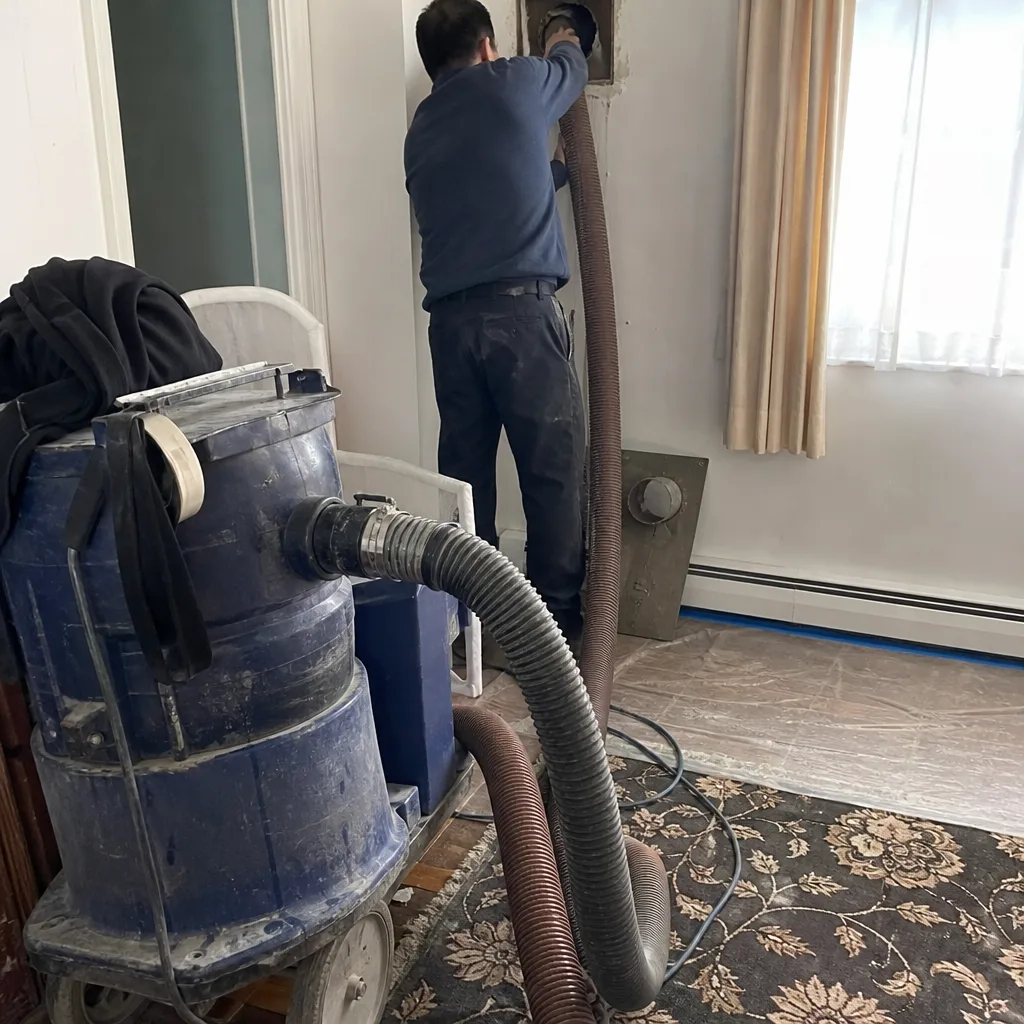 Before
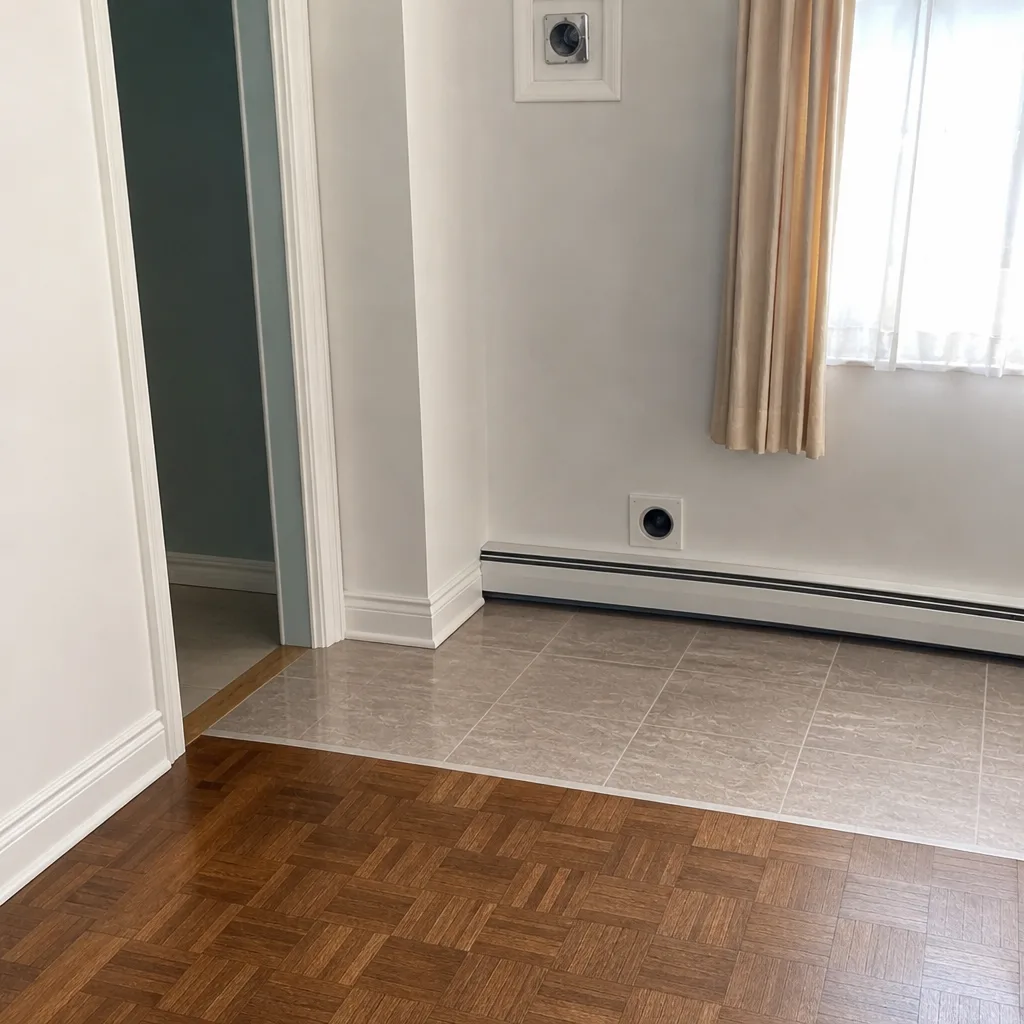 After
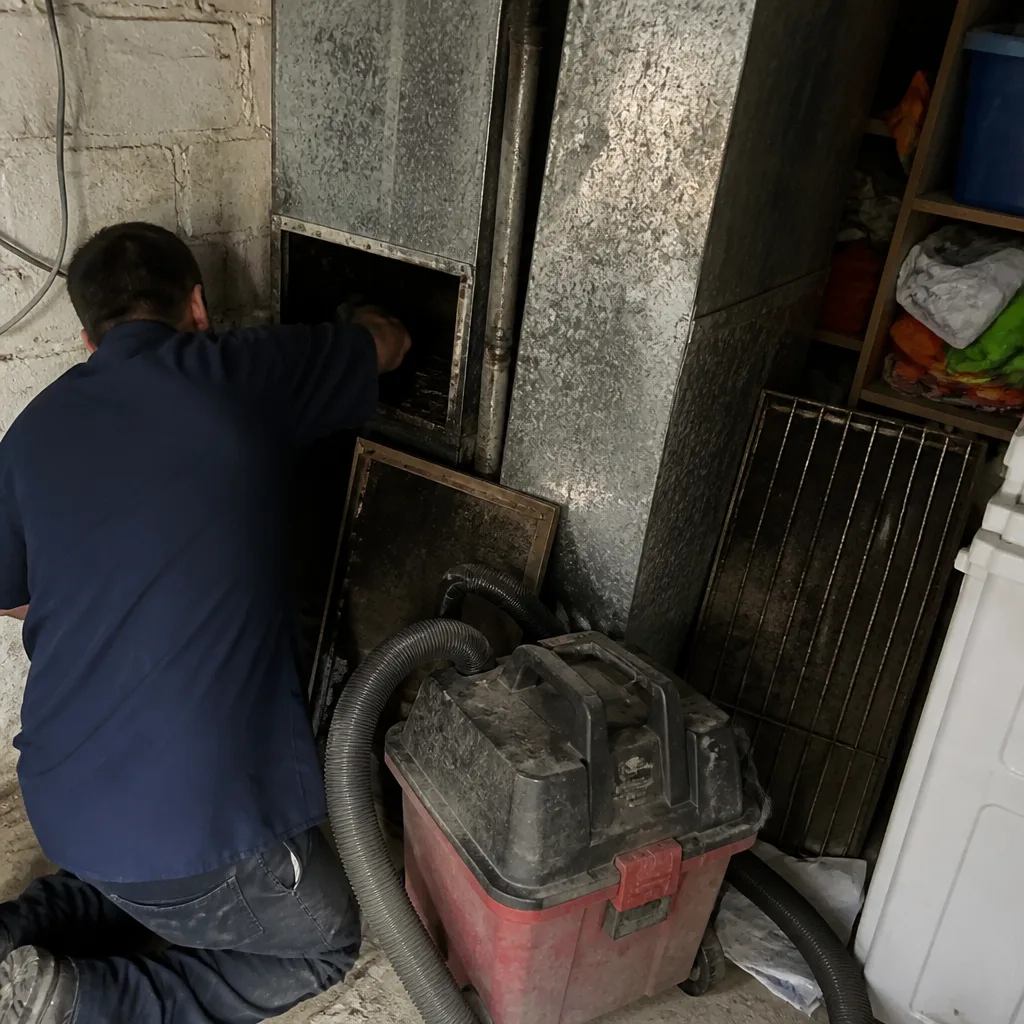 Before
 After
When to Call a Professional
Call when the pattern points to a real problem rather than a maintenance task. That means visible growth or persistent dampness at multiple registers, a musty smell that returns within days of cleaning a register, dust building up far faster than your filter interval suggests it should, or humidity that stays high through the warmer months. Post-renovation debris is its own category: drywall dust and construction particulate load a system in a way a filter can’t fully handle, and a professional cleaning after a project is often the right call. If you’re unsure, a free estimate settles it.
Air Duct Cleaning Pelham Bay offers free estimates in Pelham Bay. Call (877) 492-4238. We answer 24/7. Fast dispatch from 7am to 7pm, Sunday through Friday.
Frequently Asked Questions
Frequency depends on the pattern your records show, not a universal number. High dust, repeated high humidity, visible growth at registers, or a recent renovation are all reasons to schedule sooner. Our technicians have up to 14 years of experience assessing exactly this kind of system history, and a free estimate gives you a specific answer rather than a rule of thumb. Call (877) 492-4238. We answer 24/7. Fast dispatch from 7am to 7pm, Sunday through Friday.
Start with the rating your system was designed for, often printed near the air handler, and move up one step at most before watching how the registers feel. A filter that’s too restrictive for the blower reduces airflow and can make contamination worse. Go over the register inspection in the guide above after any change in rating.
Look for dark, fuzzy, or speckled patches at a register or inside the visible boot, and notice any musty smell that returns quickly. You can’t confirm growth from the surface alone; the growth is usually upstream. If you see it, have it assessed by a professional with proper contaminant-removal equipment rather than cleaning it with household products.
Keep readings in the 40% to 60% range and pay attention when they stay above roughly 60% for weeks at a time. Sustained damp conditions favor biological growth inside ductwork and around the coil. A shelf hygrometer and one reading a month is enough to spot the pattern.
Ask for before-and-after photos of your own system, not stock images. A professional cleaning should show the register boots and visible duct runs before and after the work, and the technician should agree on a flat price per system before starting. If a technician can’t explain the equipment being used, that’s worth a question.
Low quotes often turn into far larger invoices once the equipment is on site, which is the bait-and-switch problem this trade is known for. Consumer-grade tools and a shop vac aren’t the same as a proper contact-cleaning and HEPA-vacuum setup. Ask for a flat price per system agreed before work starts, and be suspicious of a number that seems too low for the equipment involved. Our free estimate gives you a real figure to compare. Call (877) 492-4238.
The Bottom Line
A duct maintenance checklist earns its keep through the pattern it produces, not through completing tasks. Your filters, your indoor humidity readings, and your register observations together tell you when a professional service is actually needed, and when it isn’t. In Pelham Bay, that means paying attention to the shoulder seasons when the system sits idle, watching indoor relative humidity stay in range, choosing a MERV rating the blower can handle, and keeping a dated log anyone could read. Do that and you’ll know when to call, instead of guessing. When you’re ready, Air Duct Cleaning Pelham Bay will take a look at the whole system and give you a straight answer.
Written by the team at Air Duct Cleaning Pelham Bay.