
Last updated November 25, 2026
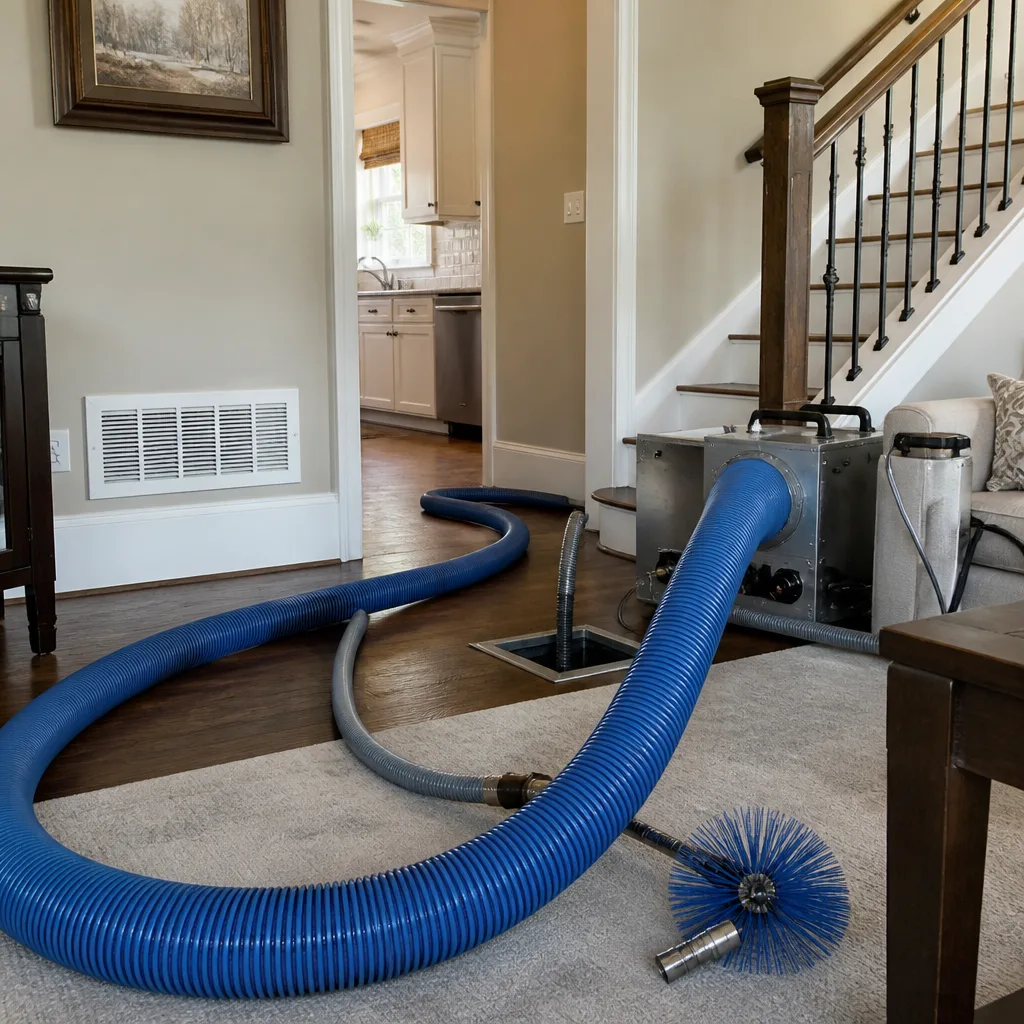 Whole-home duct cleaning
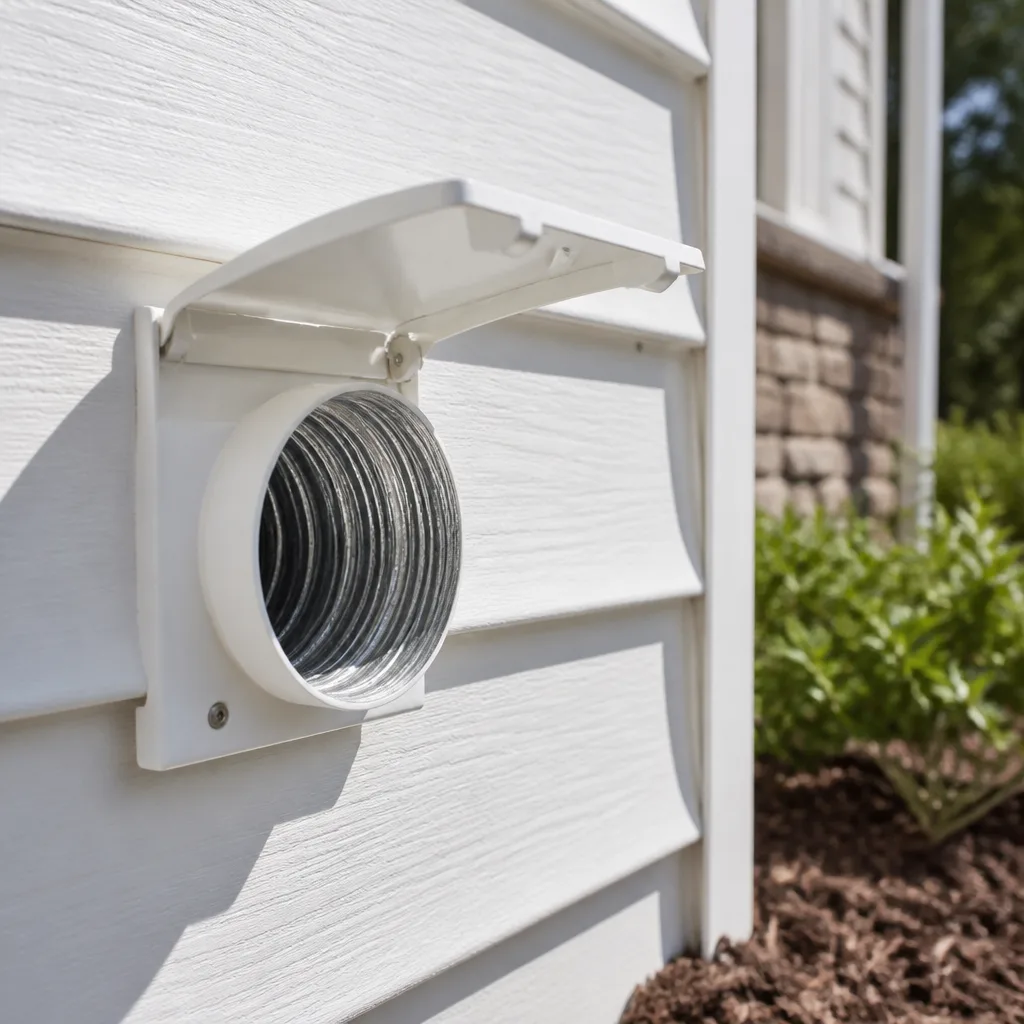 Dryer vent cleaning
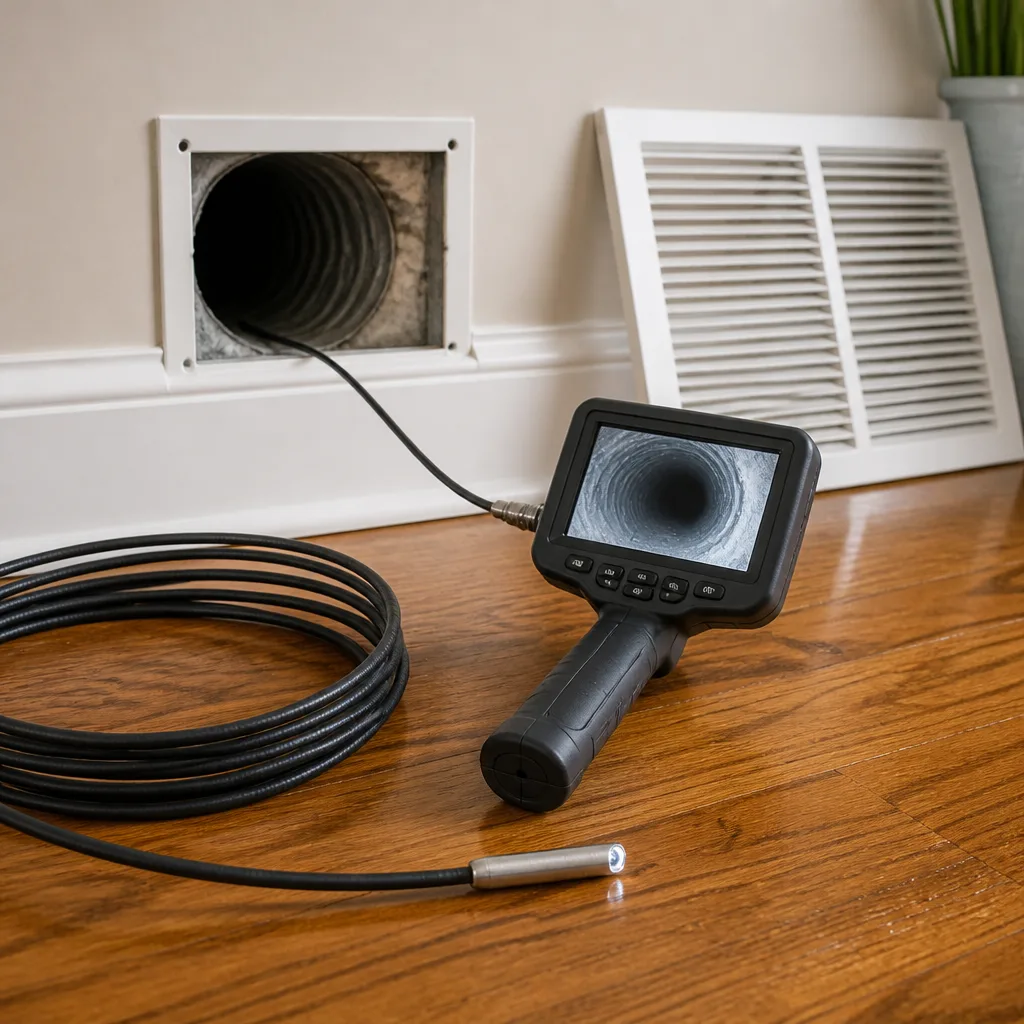 Camera inspection
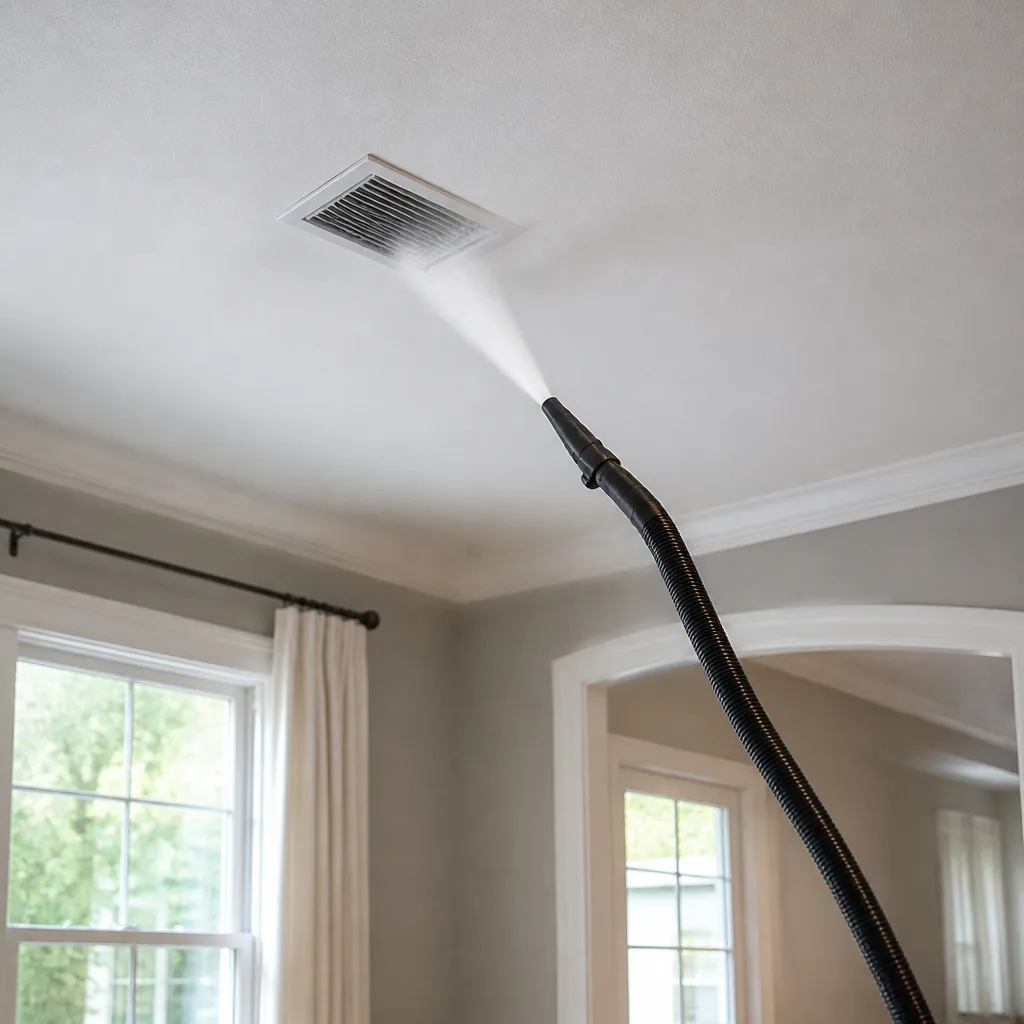 Sanitizing & deodorizing
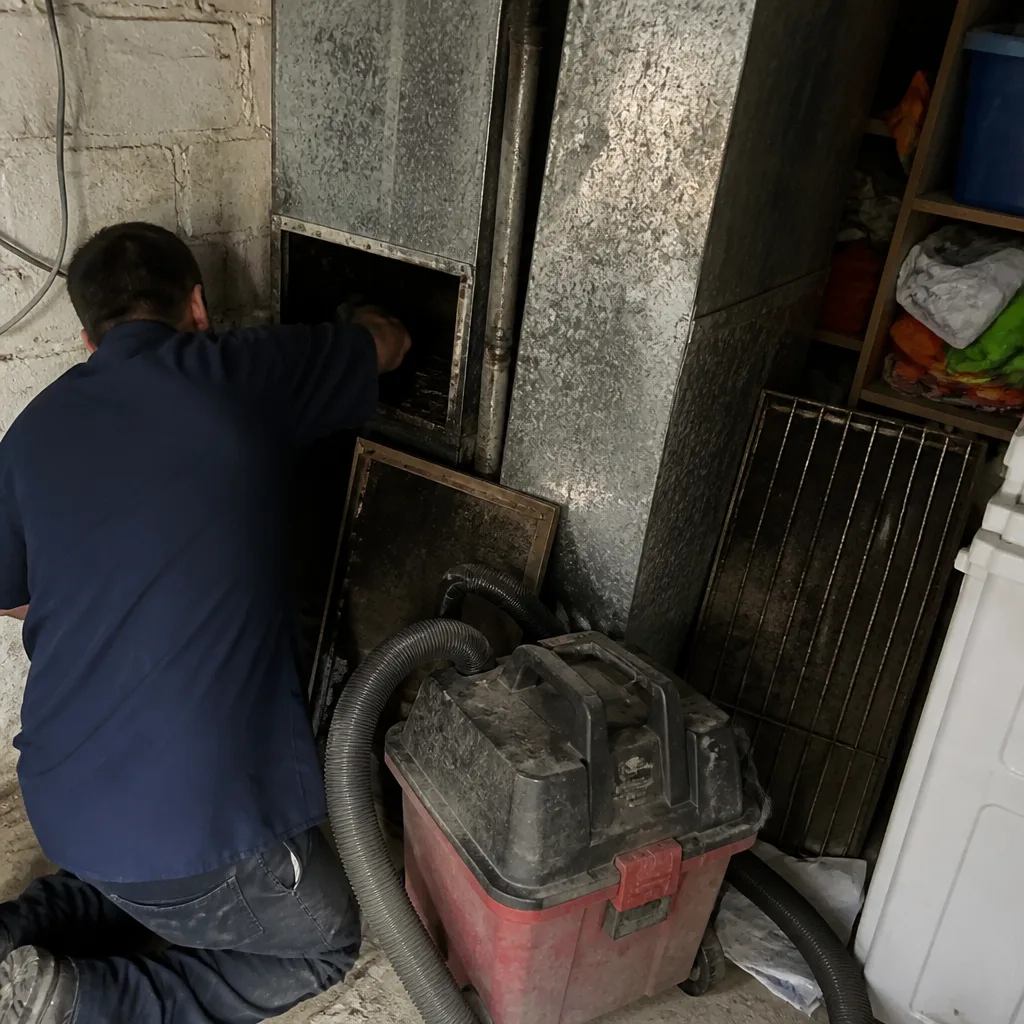
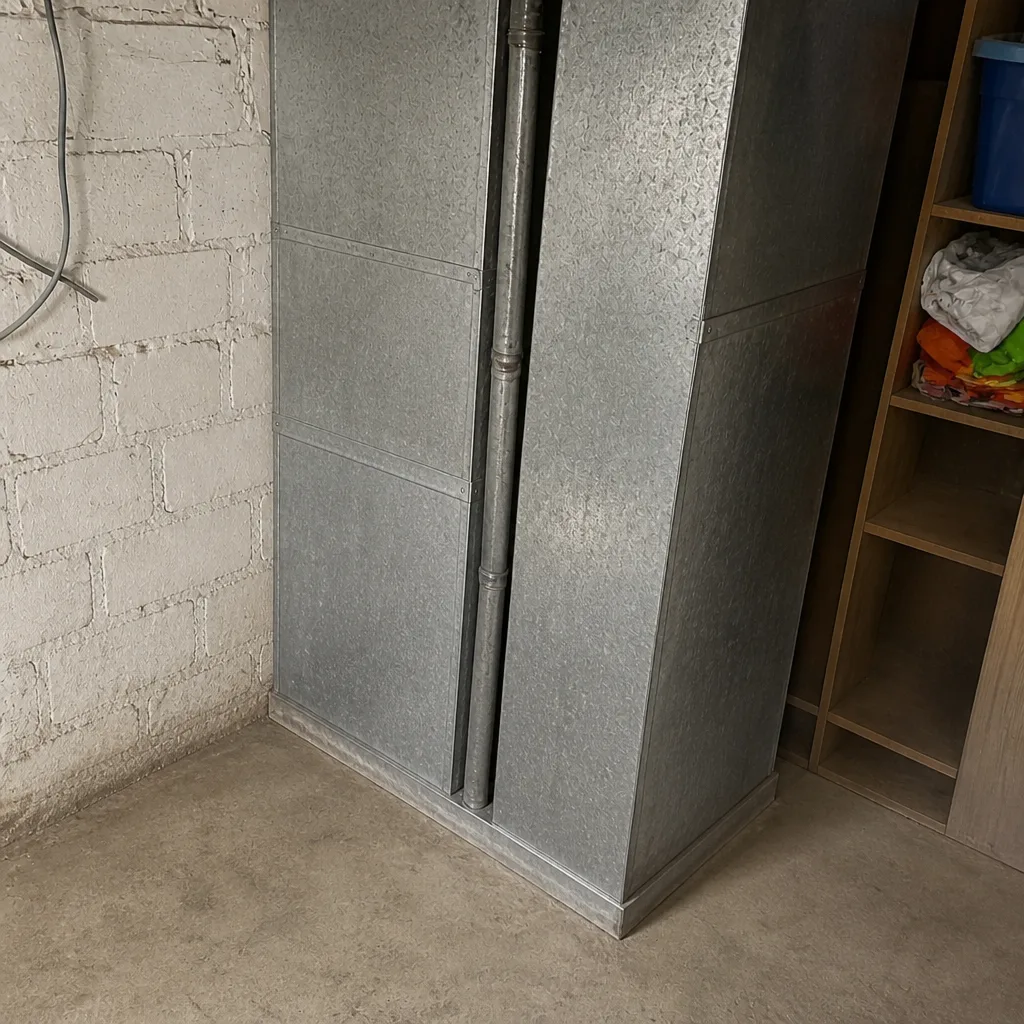
Whole-system duct and dryer vent check with before-and-after photos - you see exactly what came out of your vents
That "$99 whole-house special" is a bait ad - the real number appears once they are in your hallway, or the "clean" is a shop-vac at the register. We photograph the inside of your ducts before and after instead.
The Complete Guide to Air Duct Cleaning in Pelham Bay
Most people think duct cleaning means vacuuming out the ducts and calling it done. It usually means something bigger, and that gap explains why so many cleanings don’t last. A job that skips the blower compartment and the evaporator coil leaves behind the two places where the majority of biological growth starts, which makes everything else largely cosmetic. This guide walks through air duct cleaning in Pelham Bay as what it actually is: full-system maintenance of your whole forced-air ecosystem, from supply registers back to the return plenum. You’ll learn which components matter, what the equipment should look like, and how to tell the work was done.
Quick Answer
Air duct cleaning in Pelham Bay is the source-removal cleaning of your entire forced-air system, not just the visible duct runs. That means supply and return ducts, registers, the blower compartment, the evaporator coil and drain pan, all cleaned under negative pressure with professional equipment. Done correctly, it clears the settled debris and biological growth that keep recirculating through your home; done as a quick vacuum of the ducts alone, it leaves the source in place.
Styles & brands we work with
- Whole-home duct cleaning
- Dryer vent cleaning
- Camera inspection
- Sanitizing & deodorizing
Table of Contents
- Why Pelham Bay Homes Collect Contaminants Differently
- Source Removal vs. Air Washing: What Actually Clears Debris
- The Components Beyond Ducts That Decide the Outcome
- How Negative Pressure Equipment Changes the Result
- What a Proper Cleaning Involves, Step by Step
- Post-Cleaning Verification and Documentation
- Duct Repair and Sealing: Stopping the Source
- Common Mistakes to Avoid
Why Pelham Bay Homes Collect Contaminants Differently
Pelham Bay sits in a stretch of the Bronx where humidity runs high through the warmer months, and a lot of the housing stock here was built before 1980. Those two facts shape what ends up inside your ductwork. Older homes have seen decades of settling, small renovations, and duct runs that were installed to a different standard than today’s. When humidity climbs, any moisture that finds its way into a duct or a drain pan stays there longer, and that’s what feeds biological growth.
That doesn’t mean every older Pelham Bay home is a problem. It means the contamination pattern looks different from what you’d find in a newer subdivision further inland. In our experience, houses around the Pelham Bay Park area and the older blocks toward Westchester Square tend to show more settled dust in the return plenum and more visible buildup at the coil than homes with sealed, modern duct systems. The high-humidity months are when it’s most noticeable.
What to watch for in a Pelham Bay home:
- Dust that reappears on furniture within a day or two of cleaning
- A musty smell that shows up when the system first kicks on
- Visible dark buildup around supply registers or on the grate
- Allergy symptoms that get worse when the heat or AC runs
- Debris left over from a renovation that got pulled into returns
If any of those sound familiar, the system is telling you something. The rest of this guide explains what to do about it.
Source Removal vs. Air Washing: What Actually Clears Debris
Source removal is the method that physically agitates and extracts settled debris from the duct walls and carries it out under negative pressure. Air washing is the method that blows compressed air through the system and relies on the debris finding its way out, which, on its own, it usually doesn’t. Only one of these actually clears the duct work; the other stirs it up and lets some of it settle back down.
The distinction matters because it’s often invisible to the homeowner until later. Air washing can look dramatic in the moment, with dust puffing out of registers, but once the fan stops, the fine particulate resettles on the same duct surfaces it came from. Source removal uses contact agitation to loosen debris that’s bonded to the duct wall and a HEPA-rated vacuum to capture it before it can migrate.
Here’s how the two compare on the points that matter:
- Contact agitation: source removal uses rotating brushes and whips to reach the duct walls; air washing doesn’t touch the surface.
- Containment: source removal works under continuous negative pressure; air washing can pressurize the system and push debris into living space.
- HEPA capture: source removal routes everything through HEPA filtration; air washing relies on the vacuum you already own, which isn’t built for fine particulate.
- Result: source removal clears the source; air washing moves it around.
We use source removal on every job. The contact cleaning is done with Rotobrush systems, and the capture side runs through Nikro HEPA-rated vacuum equipment, so what gets loosened gets removed rather than redistributed. If a bid you receive is built around compressed air alone, ask what happens to the debris after it’s airborne.
The Components Beyond Ducts That Decide the Outcome
Your ductwork is one part of the system. The parts that often get skipped, and that most determine whether a cleaning holds, are the blower compartment and the evaporator coil. Those are the two spots where the air picks up the most contamination before it ever reaches your rooms, and where biological growth tends to take hold.
Here’s what has to be addressed for a cleaning to have lasting effect:
- The evaporator coil. Moisture collects on the coil during cooling season, and any dust that settles there becomes a growth medium. Cleaning the ducts without cleaning the coil leaves that source running.
- The drain pan. Standing water in a pan that isn’t draining properly is one of the most common sources of musty odor in a forced-air system.
- The blower wheel. A dirty blower wheel loses balance and efficiency, and it throws contamination through the system every time the fan runs.
- The supply and return registers. These are visible, and they’re where dust accumulates first, but they’re also the easiest to clean and the easiest to over-focus on.
- The duct runs themselves. Cleaned properly, these are the last piece, not the only piece.
This is why we treat a cleaning as full HVAC system work rather than a duct-only task. Our HVAC cleaning covers the coil, blower and cabinet alongside the duct runs, so the entire air path gets attention in one visit. That’s also why we use Abatement Technologies equipment on jobs with allergen or contaminant concerns. Those tools are built for contaminant remediation, not just dust dislodging, and they reach fine particulate that a standard vacuum setup can miss.
How Negative Pressure Equipment Changes the Result
Negative pressure is what keeps debris from escaping into your living space while it’s being removed. The stronger and more consistent that pressure is, the more reliable the outcome, and that’s where equipment size starts to matter, especially in a multi-story Pelham Bay home.
Truck-mounted vacuum systems generate much higher airflow than portable units. That airflow is what carries loosened debris through the duct run and out to the collection point instead of letting it settle in a distant branch. In a single-story house, the difference between truck-mounted and portable is real but manageable. In a multi-story home with long duct runs and multiple branches, the gap widens, because a shorter run of vacuum capacity can allow debris in the far branches to drop out of the airstream before it gets collected.
A few things to understand about how containment works:
- Sealed registers and returns: every opening has to be blocked or connected to the vacuum, or the system loses pressure and the debris escapes into rooms.
- Continuous pressure during agitation: the vacuum must run while the brushes are working, not after, so loosened material leaves immediately.
- HEPA filtration on the exhaust: this is what protects your indoor air from the fine particulate being pulled out. Nikro HEPA-rated equipment handles that capture; a shop-vac does not.
- Run-by-run attention: each branch has to be worked individually, because a single pass over everything won’t clear a long run.
If you’re comparing bids, ask what kind of vacuum is on the job. It’s one of the few questions that separates a full-system cleaning from a surface pass.
What a Proper Cleaning Involves, Step by Step
A proper cleaning follows a sequence, and the sequence matters. Each step builds on the one before it, and skipping one tends to leave the whole job unfinished. Here’s what the process looks like when it’s done right:
- Inspection first. We look at the duct layout, the coil, the blower and the drain pan before any equipment goes on. That tells us where the contamination is concentrated.
- System isolation and containment. Registers and returns are sealed off, and the vacuum is connected so the system is under negative pressure for the entire job.
- Contact agitation of the duct runs. Rotating brushes and whips run each branch from the trunk outward, agitating debris off the duct walls.
- HEPA vacuum capture. The Nikro HEPA-rated vacuum pulls everything loosened out to a collection point, with exhaust filtration protecting your indoor air.
- Coil, blower and drain pan cleaning. The components that feed the system get cleaned with the same care as the ducts.
- Sanitizing. Where growth or odor is a concern, we apply a sanitizing treatment. Guardsman-grade protective treatments are available as part of that service.
- Verification. The system is checked, photos are taken, and the job isn’t finished until we’ve walked through the results with you.
On top of the core cleaning, this five-service scope means one call covers the whole system. Alongside air duct cleaning, we handle dryer vent cleaning, HVAC cleaning, duct repair and sealing, and air quality and sanitizing, so you’re not coordinating multiple vendors for one problem.
Post-Cleaning Verification and Documentation
Verification is the part most homeowners don’t think to ask about, and it’s the easiest way to know the work was actually done. A job without it asks you to trust that the work happened out of sight, in a system you can’t see into. A job with it gives you something you can check.
Here’s what a proper post-cleaning verification should include before the technician leaves:
- Photos of the duct interiors. Before and after, taken inside the runs, so you can see the change for yourself rather than take anyone’s word for it.
- Photos of the coil and blower compartment. These are the components that most affect long-term results, and they should be documented too.
- A walk-through of the results. The technician should show you what was found and what was cleared, with the system running.
- A record of any repair or sealing work. If a leak was found and sealed, or a joint repaired, that should be written down, since it changes how the system performs going forward.
- Recommendations for what’s next. If follow-up work is needed, such as a filter upgrade or a follow-up visit, you should hear it as a recommendation, not a surprise line item.
If a contractor finishes and leaves without showing you anything, that’s a signal. Ask for the documentation up front, before the work starts, and it becomes part of what you’re paying for.
Duct Repair and Sealing: Stopping the Source
Cleaning fixes what’s already in the system. Repair and sealing fix how it got there. Leaky ducts pull air from unconditioned spaces like attics, crawlspaces and wall cavities, and that air carries dust, insulation fibers and whatever else is sitting out there. If a leak stays open after a cleaning, contamination comes back in, and the cleaning gets blamed for something it wasn’t built to fix.
In Pelham Bay’s older homes, duct joints, tape and connections have had decades to degrade. A duct system from before 1980 was often sealed with materials that don’t hold up the way modern sealants do, so gaps at joints and connections are common. Those gaps are the source of ongoing contamination, and sealing them is what keeps the result lasting.
What sealing addresses:
- Gaps at duct joints and connections that pull in unfiltered air
- Disconnected runs that dump conditioned air into a wall cavity or attic
- Loose or failing tape on older duct work
- Cracks and holes that let debris into the system after it’s been cleaned
Air quality and sanitizing is the other side of that. Once the system is clean and sealed, the right filtration and treatment products keep it that way. We work with Honeywell and Aprilaire product lines for that step, so the result is air you can measure, not just air that feels better for a week. Clean ducts are only part of the picture. When we repair, seal and sanitize, the problem doesn’t come back the way it otherwise would.
How Often Does Air Duct Cleaning Actually Need Doing?
Most homes need a full-system cleaning every three to five years, with more frequent attention if you have pets, allergies or recent renovation work. There’s no universal number, because the right interval depends on your system, your home and what’s happening around it. A house with a shedding pet and a family of allergy sufferers will need it more often than a two-person household with no pets. A home that just went through a renovation will need it sooner than a home that didn’t. In Pelham Bay, the older housing stock and the humidity in the warmer months both push toward the shorter end of that range rather than the longer one.
The better question is what your system is telling you. If dust reappears quickly, if a musty smell shows up when the air comes on, or if allergy symptoms track with your HVAC running, the interval has already passed. If you’re not sure, an inspection settles it. Call (877) 492-4238 for an exact quote. Estimates are free.
How Much Does Air Duct Cleaning Actually Cost in Pelham Bay?
Air duct cleaning in Pelham Bay is priced per system rather than per vent, and the written estimate sets the final price before any work begins. That structure exists for a specific reason: per-vent pricing invites a low advertised number that grows into a much larger invoice once the technician is on site. A whole-system price agreed before work starts removes that possibility.
Here’s how we approach pricing, and what the components are:
- Whole-system pricing: one flat price per system, agreed before work starts, based on what the system actually includes.
- What’s included: duct runs, registers, coil, blower compartment and drain pan, since those are all part of the same job.
- What changes the price: the size and layout of the system, the number of branches and stories, and whether repair, sealing or sanitizing is needed.
- What doesn’t: the number of vents. You won’t see a per-vent figure from us.
Before-and-after photos of your own ducts come with the job, so you can see exactly what was done. The estimate is free, and it’s written. Call (877) 492-4238 to get one.
See the difference
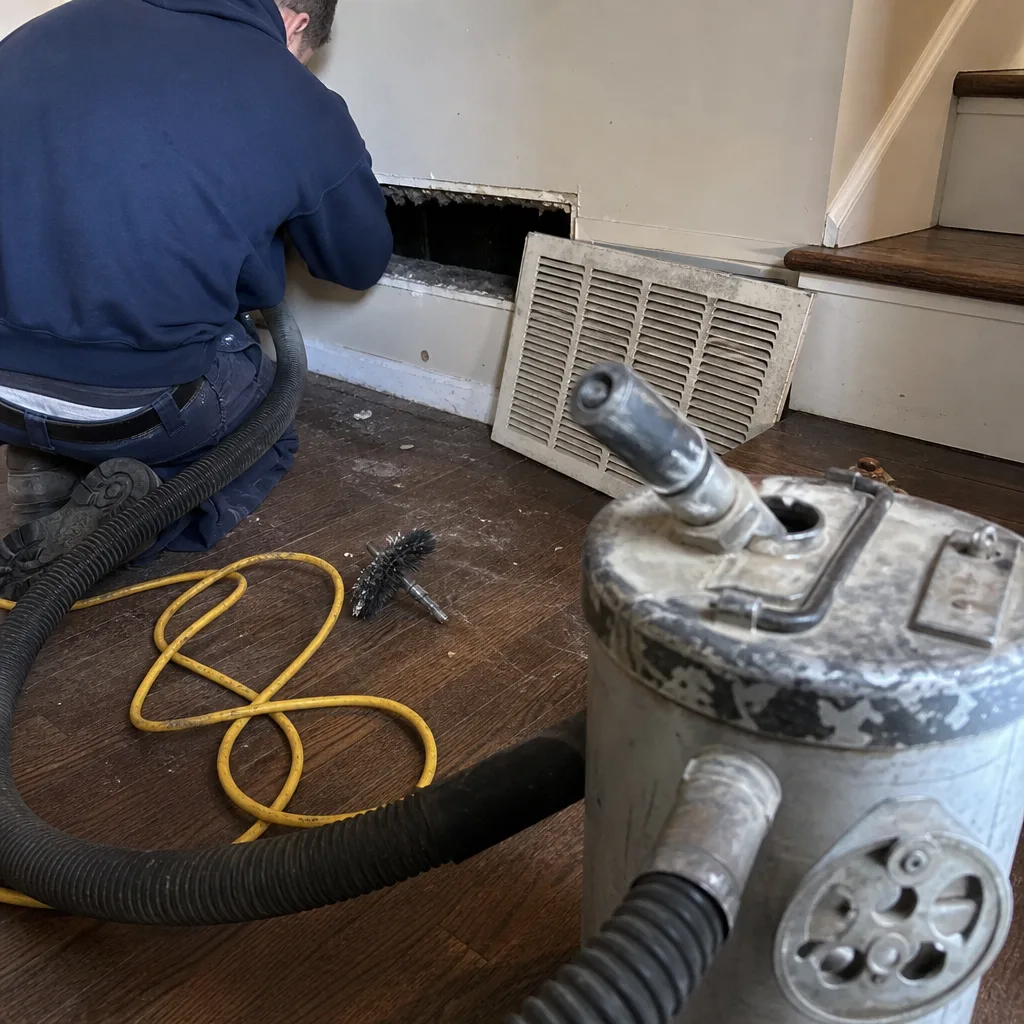 Before
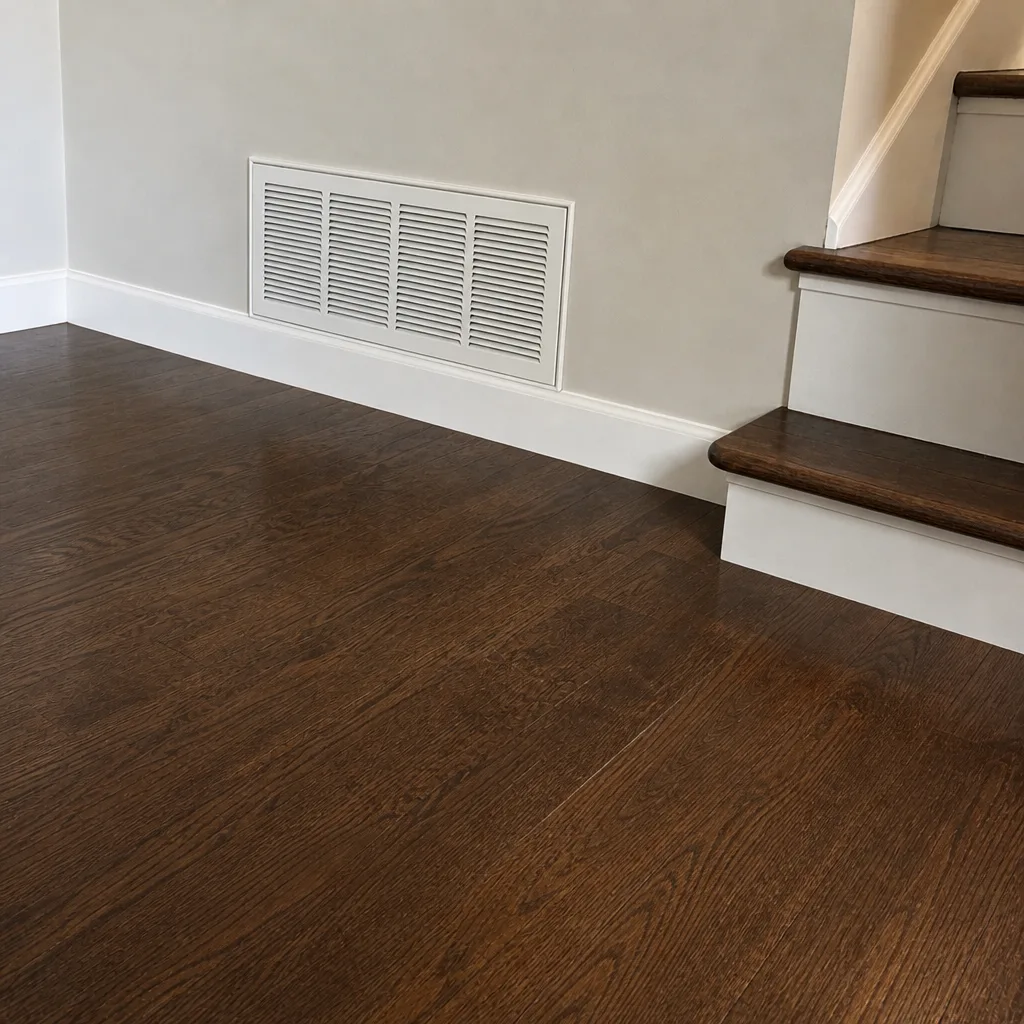 After
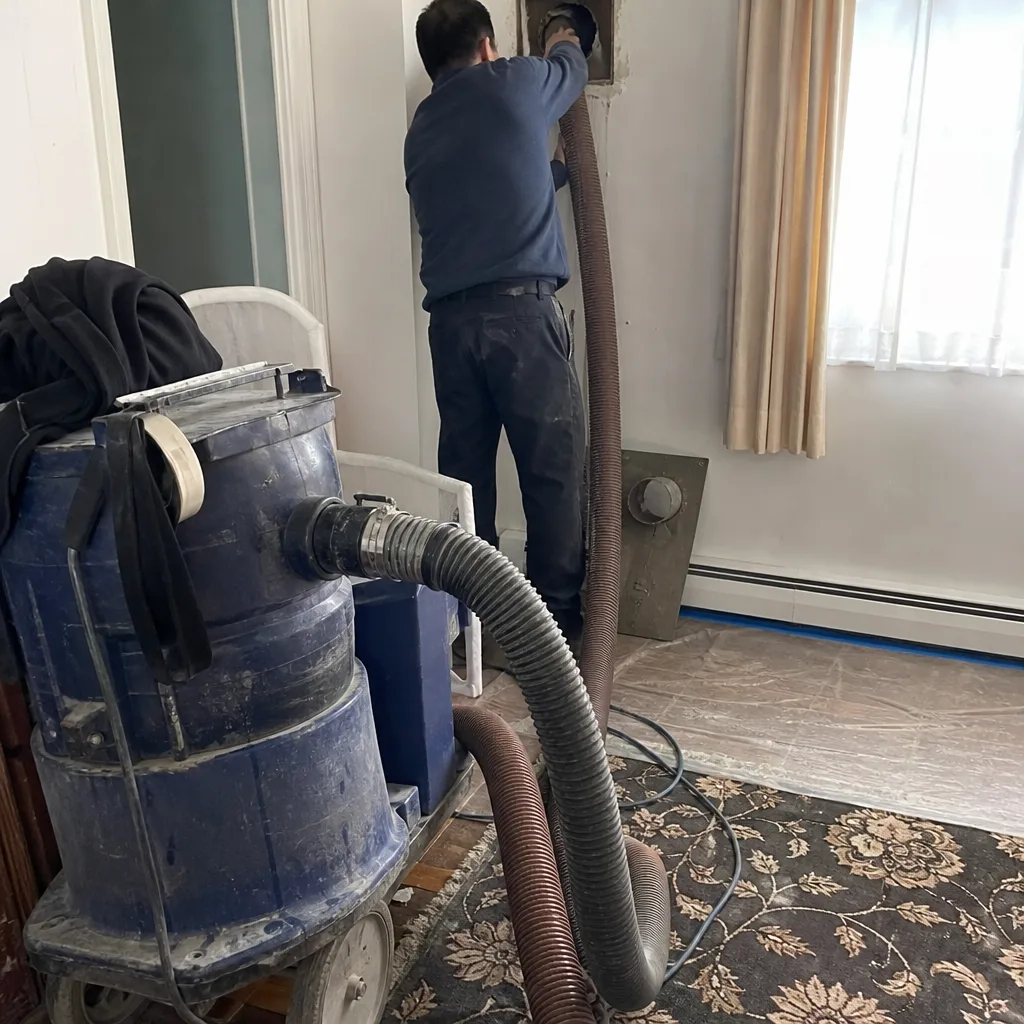 Before
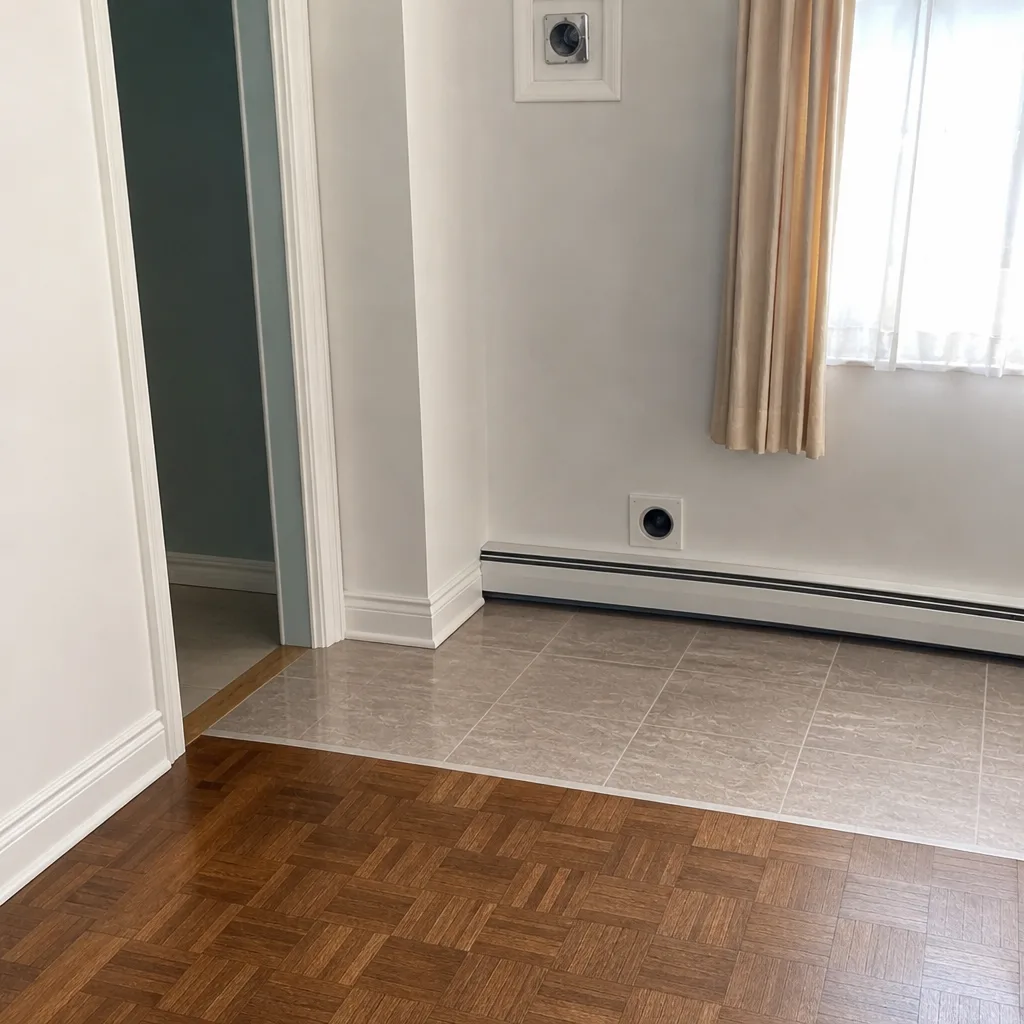 After
 Before
 After
Common Mistakes to Avoid
These are the ones we see most often in Pelham Bay homes, and each of them costs the homeowner something.
- Cleaning the ducts without cleaning the coil and blower. This is the big one. Skip those two components and the source of growth stays in place, and the cleaning has to be redone.
- Accepting a per-vent quote as the final number. A per-vent figure is easy to advertise and easy to grow once the technician is on site. Ask for a whole-system price, in writing, up front.
- Letting air washing pass for source removal. Compressed air alone stirs debris up; it doesn’t clear the duct walls. Ask how the duct surfaces get agitated and how the debris gets captured.
- Skipping the verification. If you don’t see photos of the inside of your ducts and your coil, you have no way to know what was done. Ask for them before the work starts, not after.
- Cleaning a leaking system and stopping there. Unsealed joints in older Pelham Bay homes pull contamination back in. Without repair and sealing, the cleaning is temporary by design.
- Overlooking the drain pan. Standing water in a pan that isn’t draining properly is a musty-odor source that duct cleaning alone won’t fix.
- Using a consumer-grade vacuum setup. A shop-vac doesn’t have the HEPA filtration or the airflow to contain fine particulate. What goes out the exhaust ends up in your air.
When to Call a Professional
Some things are worth a call rather than a wait-and-see. If you’ve just finished a renovation and debris got pulled into the returns, that’s a professional job, because the particulate is fine and it’s spread through the whole system. If you’ve noticed a musty smell when the system kicks on, that usually points to the coil or drain pan, and those need the right equipment to clean without spreading growth. If dust reappears on furniture within a day or two of wiping it down, the system is recirculating it. If anyone in the home has allergies or respiratory sensitivity that track with the HVAC running, it’s worth an inspection. And if you’ve found a disconnected run or a gap at a joint, that’s a repair before it’s a cleaning. Air Duct Cleaning Pelham Bay offers free estimates in Pelham Bay. Call (877) 492-4238. We answer 24/7, with fast dispatch from 7am to 7pm.
Frequently Asked Questions
It’s priced per system, not per vent, with one flat price agreed before work starts and the written estimate setting the final amount. The system’s size, layout and number of stories drive the price, along with whether repair, sealing or sanitizing is included. Call (877) 492-4238 for an exact quote. Estimates are free.
Cheap quotes are usually cheap for a reason: they clean the ducts and skip the coil and blower, or they quote a per-vent number that grows on site. Either way, the low figure is not the figure you end up paying. Ask what’s included, especially the coil and blower, before comparing prices. Call (877) 492-4238 and we’ll walk through a written estimate with you. Estimates are free.
You get before-and-after photos of your own ducts, taken inside the runs, along with photos of the coil and blower compartment and a walk-through of the results before the technician leaves. That’s the verification, and it’s part of the job, not an add-on. Call (877) 492-4238 to book an estimate.
Every three to five years for most homes, more often with pets, allergies or recent renovation. In Pelham Bay’s older housing stock, the shorter end of that range is the safer bet. If dust returns quickly or you smell something musty when the system runs, it’s already due. Call (877) 492-4238 for an inspection. Estimates are free.
Yes, and that’s the point. The evaporator coil, drain pan and blower compartment get cleaned alongside the duct runs, because those are where most growth and odor originate. Skipping them makes the rest of the job largely cosmetic. Call (877) 492-4238 to schedule the full system. We answer 24/7, with fast dispatch from 7am to 7pm.
In most cases yes, since repair and sealing are part of the same service scope. It’s worth doing in the same visit, because a leaking system pulls contamination right back in after it’s cleaned. The estimate will cover any repair or sealing found during inspection. Call (877) 492-4238 to get one.
The Bottom Line
Air duct cleaning in Pelham Bay works when it’s treated as full-system maintenance rather than a duct-only task. That means source-removal cleaning with contact agitation and HEPA capture, attention to the coil, drain pan and blower compartment where contamination actually starts, negative pressure strong enough for the home’s layout, and repair and sealing so the result holds. Verification ties it together: photos of your own ducts and a walk-through before the technician leaves. That’s the standard worth asking for, whatever bid you’re comparing. Our technicians have up to 14 years of experience, and one call covers your full forced-air system. Call Air Duct Cleaning Pelham Bay at (877) 492-4238 for a free estimate. We answer 24/7, with fast dispatch from 7am to 7pm.
Air Duct Cleaning Pelham Bay handles air duct cleaning, dryer vent cleaning, HVAC cleaning, duct repair and sealing, and air quality and sanitizing for homes and commercial spaces throughout the area.
Written by the team at Air Duct Cleaning Pelham Bay.