
Last updated November 25, 2026
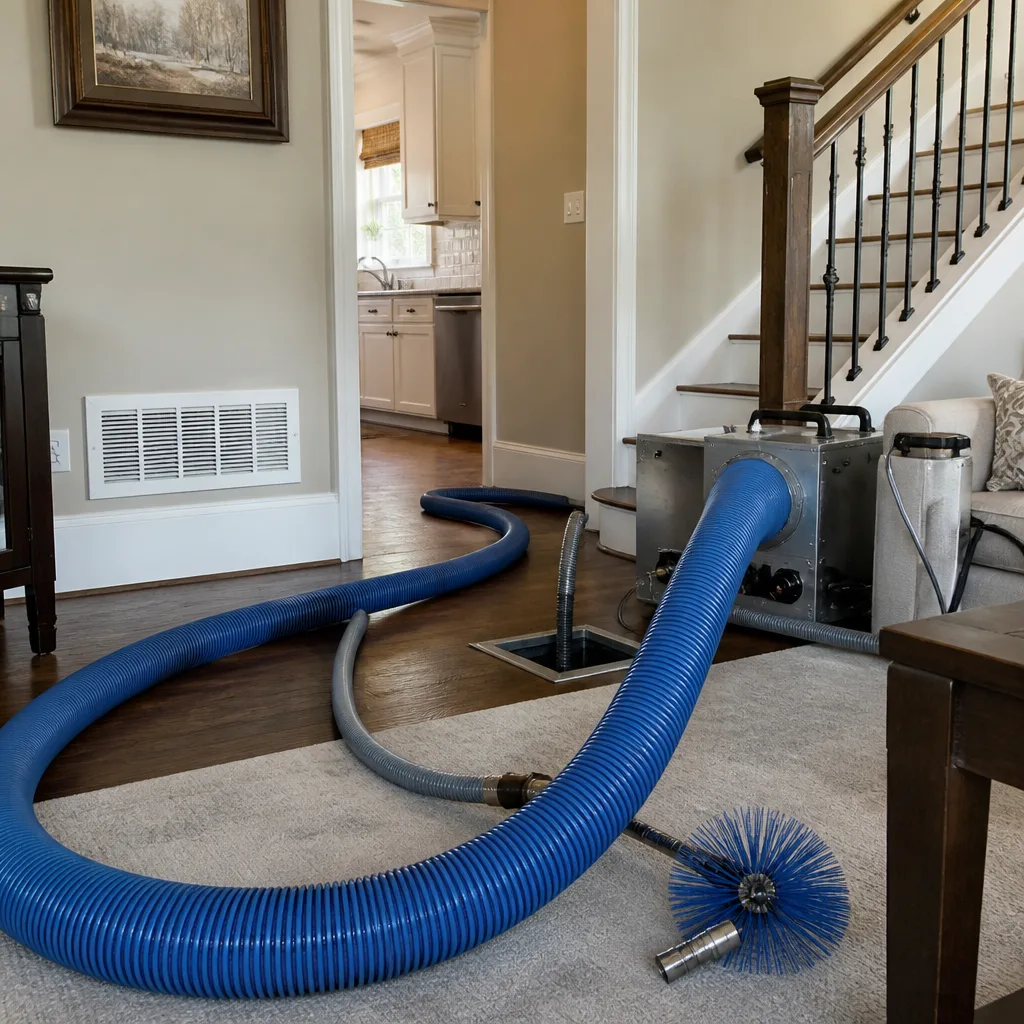 Whole-home duct cleaning
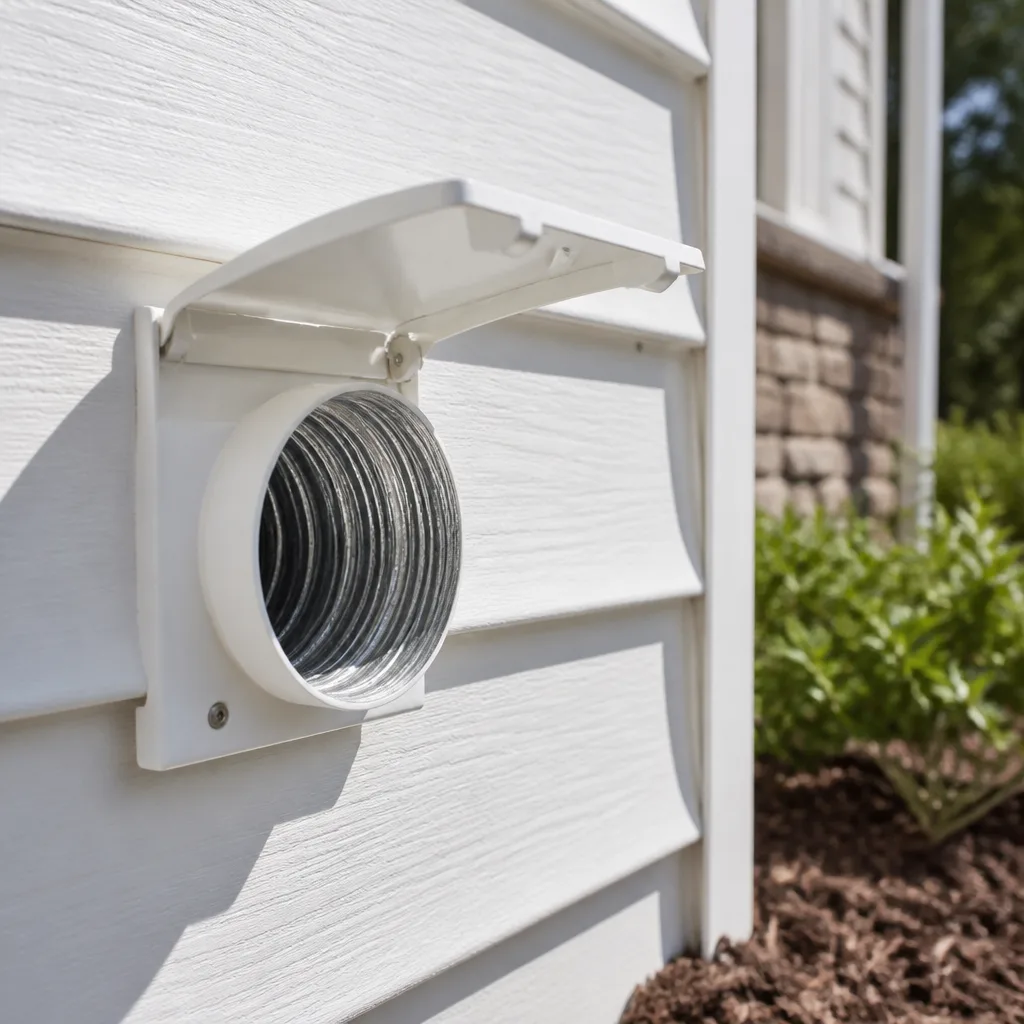 Dryer vent cleaning
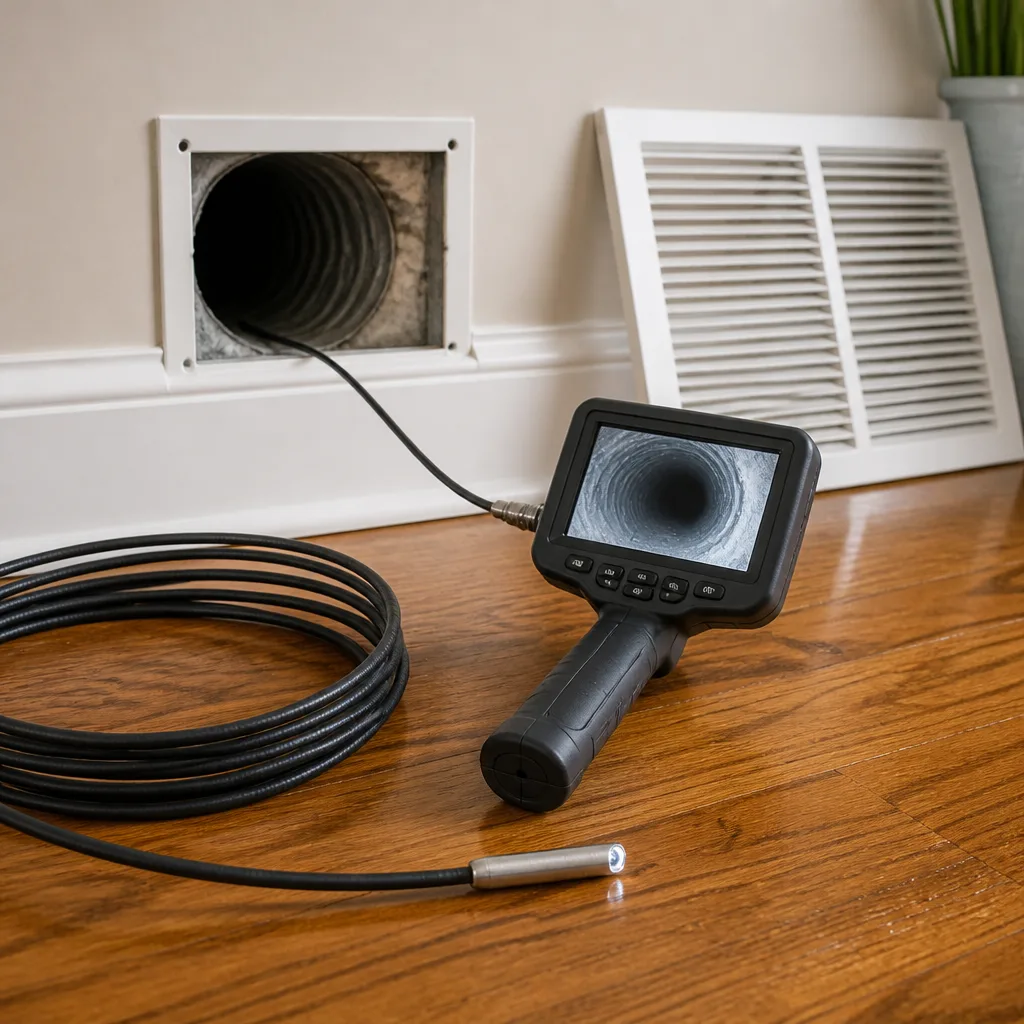 Camera inspection
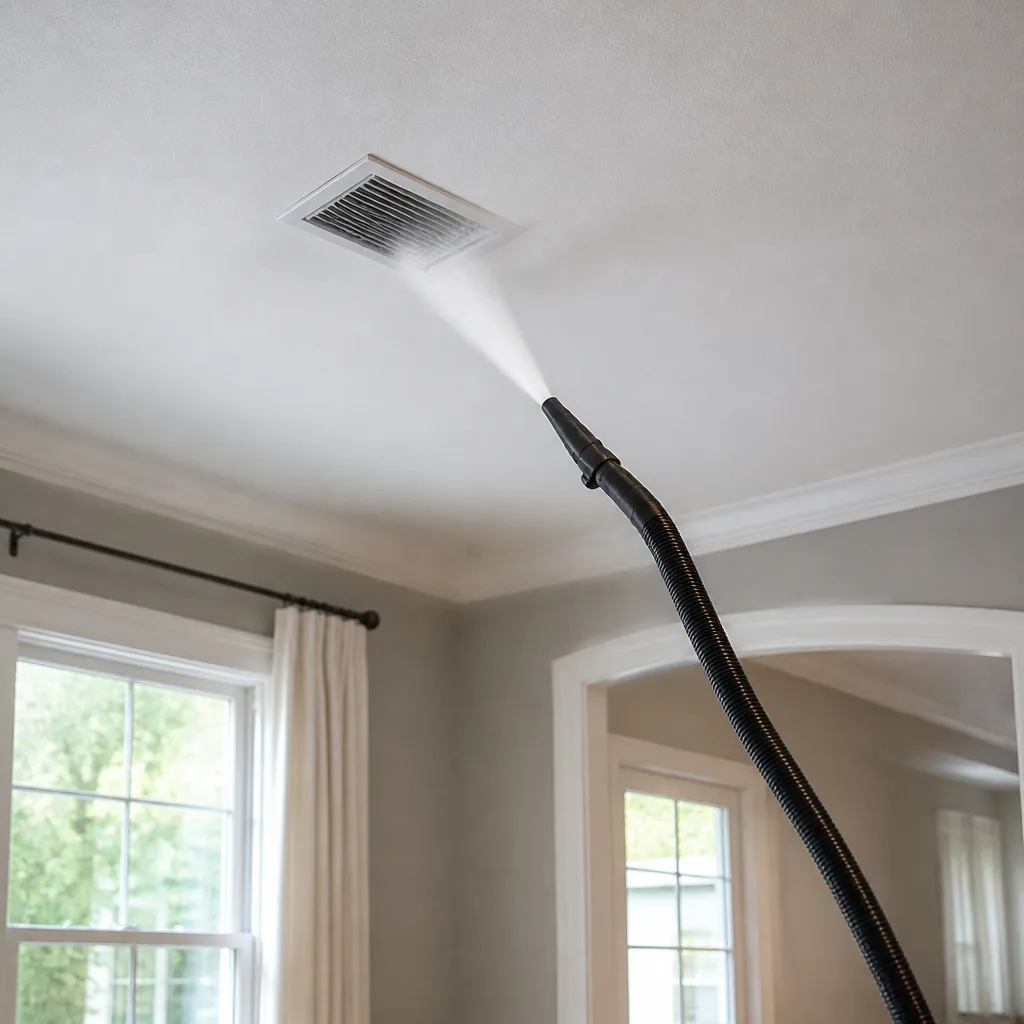 Sanitizing & deodorizing
Whole-system duct and dryer vent check with before-and-after photos - you see exactly what came out of your vents
That "$99 whole-house special" is a bait ad - the real number appears once they are in your hallway, or the "clean" is a shop-vac at the register. We photograph the inside of your ducts before and after instead.
Seasonal Air Duct Cleaning Care for Pelham Bay: Year-Round Homeowner’s Guide
Spring cleaning is the most heavily marketed duct maintenance timing in the country, and in Pelham Bay it’s usually the wrong one. The highest-risk moment for a forced-air system in this part of the Northeast isn’t April. It’s the first cold evening in October, when the furnace starts pushing air through ductwork that sat through a humid summer collecting exactly the conditions that let biological debris settle and stay viable. Fall didn’t create that problem. Summer did, quietly, while nobody was watching the ducts. This guide walks through what actually happens inside a Pelham Bay duct system in each of the four seasons, why the standard annual cleaning cycle misses the point, and what to do between professional visits.
Quick Answer
Air ducts in Pelham Bay need attention tied to the season, not once a year on a calendar date. Spring brings pollen infiltration, summer brings condensation and humidity that support mold and dust-mite growth, fall is the moment to inspect before the heating season starts circulating settled contaminants, and winter concentrates fine particulates because windows stay shut for months. The practical answer is a pre-heating-season inspection in September, a humidity check in July and August, and seasonal filter changes that match how the system is actually running.
Styles & brands we work with
- Whole-home duct cleaning
- Dryer vent cleaning
- Camera inspection
- Sanitizing & deodorizing
Table of Contents
- Spring: Pollen, and Why the Filter Is Your First Line
- Summer: Condensation, Humidity, and the Hygrometer Test
- Fall: The Pre-Heating Season Inspection
- Winter: Closed-House Living and Particulate Concentration
- The Seasonal Filter Strategy Most Homes Get Wrong
- One DIY Action Per Season
- Common Mistakes to Avoid
- When to Call a Professional
Spring: Pollen, and Why the Filter Is Your First Line
Spring in Pelham Bay means the return of airborne pollen from the trees and plantings throughout the Northeast Bronx, and forced-air systems pull that pollen in through the return side every time the blower runs. The filter catches a lot of it. The ducts behind the filter catch the rest, and once pollen settles on the interior surfaces of the supply runs, the system redistributes it every time the fan cycles.
Two dynamics matter more than most homeowners realize in spring:
- Return-side loading: The return ducts and the air handler cabinet area collect the heaviest pollen load because that’s where unfiltered air enters first. A visual check of the return grille is a legitimate early indicator of duct accumulation.
- Window-open season: Pelham Bay homes that open windows on mild spring days are pulling in unfiltered outdoor air alongside whatever the HVAC system handles, which raises indoor particulate counts regardless of what the filter is doing.
- Post-winter dust release: The dust that settled in the ducts over the closed-up winter gets disturbed the first time spring airflow patterns shift, and it comes out of the registers as visible dust on furniture.
Spring is a reasonable time for professional cleaning if the system shows real accumulation, but treating it as the mandatory annual cleaning date is a mistake. The contamination that matters for fall heating hasn’t happened yet in April. Spring cleaning addresses pollen and winter dust; it doesn’t address what summer is about to create. Our technicians have up to 14 years of experience and can walk you through what a spring assessment should actually look for before you commit to a cleaning.
For the broader picture of how a full cleaning works in this market, see our guide to air duct cleaning.
Summer: Condensation, Humidity, and the Hygrometer Test
Summer is the season that quietly sets up the fall problem. Air conditioning pulls moisture out of the air as it cools, and that moisture has to go somewhere. In a well-installed system, it drains away. In older Pelham Bay systems, some of it condenses on cool interior duct surfaces during the cooling cycle and stays there between cycles, especially in basements, crawlspaces, and the parts of the duct run that pass through unconditioned space.
That persistent dampness is the mechanism behind the fall concern. Ductwork that stays damp through July and August becomes a viable surface for biological growth, dust mite activity, and the consolidation of settled dust into something that sticks rather than blows through. When the heating system fires up in October, the airflow disturbs that material.
The Room-by-Room Hygrometer Test
You can check whether summer humidity is reaching problem levels inside the duct system without any special tools beyond a basic hygrometer (an inexpensive indoor humidity gauge, available at most hardware stores). Here’s the process:
- Place the hygrometer near a supply register in one room and let it sit for at least an hour with the system running.
- Record the reading, then move it to a different room’s register and repeat.
- Continue through the main living spaces, plus any room above a garage or in a finished basement, since those runs are the most likely to be damp.
- Compare readings. A spread of more than 10 percentage points between rooms is a signal that the system isn’t distributing conditioned air evenly, and some runs may be sitting damp.
- Look specifically at relative humidity above 60% near any supply register. That’s the threshold at which earlier-than-scheduled professional attention is worth considering.
We use Nikro HEPA-rated vacuum equipment on jobs where summer humidity has left contamination that a standard vacuum would only redistribute. A simple reading during the humid months tells you more about your ducts than the visual inspection most homeowners rely on.
Fall: The Pre-Heating Season Inspection
The single most useful appointment on the seasonal calendar is a pre-heating-season inspection in September, before the furnace runs its first cycle. This is the timing most homeowners don’t book, because the marketing industry has trained everyone to think about spring cleaning, and the fall concern is invisible until the heat comes on and the smell tells you something was growing in there.
The inspection checks for the things that accumulated during the humid summer:
- Visible moisture or staining inside supply ducts, especially runs through unconditioned spaces
- Biological growth on duct surfaces or near the air handler
- Debris in the return plenum and filter housing area
- Failed duct seams or disconnected joints that would pull attic or crawlspace air directly into the supply side (see our Air Duct Cleaning Pelham Bay overview for what a full-system inspection covers)
- Filter condition and whether the current filter matches the upcoming heating season’s airflow demands
September sits in a narrow window. The cooling season tapers and the heating season hasn’t started. A cleaning or inspection done in that window means the first heat cycle in October distributes clean air instead of disturbing whatever the summer left behind. Fall is also a good time to look at duct repair and sealing, since the heating side runs higher static pressure than cooling and any leak in the duct system is more consequential once the heat’s on.
If sealing is on the list, our HVAC cleaning work often pairs with it because the air handler and coil surfaces need to be clean for a seal to actually hold the system tight.
Winter: Closed-House Living and Particulate Concentration
Winter in Pelham Bay is when window-open ventilation gets shut down, and the entire house runs on recirculated air for weeks at a time. The dust, dander, and fine particulates that would otherwise move outside stay inside, and they cycle through the duct system over and over. The concentration builds.
Two specific challenges in a closed-house winter:
Settled Combustion Byproducts
Homes with a gas- or oil-fired furnace pull combustion air either from the furnace room or indirectly through the return system, and any combustion byproduct that settles in the return duct area over the winter stays there. This is a strong reason a professional inspection, not a DIY vacuum, handles the return side and the area around the heat exchanger housing. The heat exchanger and burner assembly are not homeowner-serviceable, and the area deserves a trained eye.
Particulate Concentration
Even a system that was clean in September has accumulated a meaningful dust load by February, because everything in the house (cooking, candles, pet dander, dust from textiles) has nowhere to escape. A mid-winter filter change is the single most effective mitigation, and it’s the one most households skip because the filter “looked fine” when it was last checked.
If you suspect mold, allergens, or fine particulates are circulating, our air quality and sanitizing service uses Honeywell and Aprilaire components to address the source rather than just mask it, and Abatement Technologies tools for contaminant remediation that consumer-grade equipment can’t reach.
The Seasonal Filter Strategy Most Homes Get Wrong
The same MERV rating that works well through the heating season can restrict airflow during peak summer cooling in older Pelham Bay systems. This is one of the most overlooked pieces of summer duct care, and it has a direct cost: a filter that’s too restrictive for the AC’s airflow drops system efficiency and because the system runs longer to compensate.
How to Match Filter to Season
- Check your air handler’s filter rating. Most units list a maximum MERV on the data plate or in the manual. Going above that maximum restricts airflow.
- Winter heating season: Use a filter rated at or near the maximum the system allows. Heating cycles are shorter and the system tolerates a slightly higher restriction.
- Summer cooling season: Step down one MERV rating from your winter choice. The cooling coil is running longer cycles and higher airflow matters more in summer.
- In a filter slot with a nominal size: Make sure the replacement fits the actual slot. A filter that’s the wrong depth or that doesn’t seat will leak unfiltered air around the edges and bypass the media entirely.
- On a 1-inch slot: 1-inch filters load quickly and the pressure drop rises fast as they collect dust. Change more often than a 4-inch or 5-inch media filter.
We don’t sell filters and we don’t have a product to push, but we do see the consequences of a filter that was too restrictive for the system it was installed in. If the summer cooling cycle seems short-cycling or the system isn’t keeping up, the filter is a legitimate place to look before anything more expensive.
One DIY Action Per Season
Between professional cleanings, one well-chosen action per season meaningfully reduces how fast contamination accumulates. None of these replace a proper cleaning, but each one lowers the load the next professional visit has to deal with.
- Spring: Remove and photograph the return grille closest to the air handler. Vacuum the grille face and the visible dust around the frame. If the dust inside the return duct behind the grille looks gray and thick, that’s a sign the system’s accumulated enough to justify a professional visit. If it looks light, you’ve bought yourself more time. This is the single most useful spring action because it gives you real information.
- Summer: Run the hygrometer test described above, once in July and once in August. Even if readings are clean, you’ve established a baseline for the season and you’ll catch a shift.
- Fall: Change the filter to the heating-season rating before the first cold snap. Don’t wait for the filter to look dirty; the fall change is about preparing the system for a different airflow pattern, not about reaching a load threshold.
- Winter: Change the filter again mid-season (roughly halfway between the fall change and spring). Run the bathroom and kitchen exhaust fans for twenty minutes after cooking and showering, which pulls moisture and particulate out of the closed-house air and gives the system a break.
For homes that also have a clothes dryer venting through an exterior wall, the same seasonality applies: dryer vent lint accumulation is highest in the winter months, and a dirty dryer vent in a closed-up house contributes to both moisture and fire risk. See our dryer vent cleaning page for the full picture.
Common Mistakes to Avoid
- Treating “spring cleaning” as the mandatory annual date. In Pelham Bay, spring cleaning misses the fall concern entirely. The contamination that matters for the heating season happens during the humid summer, so the useful appointment is in September, not April.
- Assuming a single annual cleaning covers everything. An annual cleaning cycle that’s timed wrong leaves the peak contamination season unaddressed. The seasonal timing is more important than the frequency.
- Ignoring visible moisture. If you see water staining near a supply register or on a duct in the basement, don’t schedule cleaning and call it done. The moisture source needs attention. Cleaning a duct that will just get wet again is wasted work.
- Using the same filter all year. A filter that’s right for heating is often too restrictive for cooling in older Pelham Bay systems. Match the filter to the season, and check the system’s airflow before assuming a higher MERV is always better.
- Confusing visible dust on a register grille with a need for cleaning. Grime on the grille face is easy to clean yourself. Dust inside the duct behind the grille is the signal that matters. Homeowners who vacuum grilles and assume the ducts are clean miss the actual test.
- Discounting the return side. Return ducts collect the heaviest load because that’s where unfiltered air enters the system. A cleaning that only touches supply runs leaves the biggest problem untouched. This is why we run Rotobrush contact cleaning through the full return path, not just the supply.
- Ignoring the pre-heating-season inspection after a humid summer. A summer that ran the AC hard is the setup for a fall problem. If you only check the ducts once, do it in September, before the first heating cycle.
When to Call a Professional
Some signs call for a trained technician rather than a homeowner filter change. Visible mold on duct surfaces near a register is one. Persistent musty odor when the heating or cooling system first starts is another. Unexplained allergy or respiratory irritation that gets worse when the HVAC runs, or a noticeable dust film reappearing on surfaces within a day of cleaning, points to contamination in the duct system. So does a humid summer that left condensation visible inside basement or crawlspace duct runs. Post-renovation debris is the most common trigger we see in Pelham Bay homes, because construction dust and drywall particulate settle into the return side within hours. When any of these appear, schedule a professional assessment before running the system through another season. Air Duct Cleaning Pelham Bay offers free estimates in Pelham Bay, call (877) 492-4238. We answer 24/7. Fast dispatch from 7am to 7pm, Sunday through Friday.
See the difference
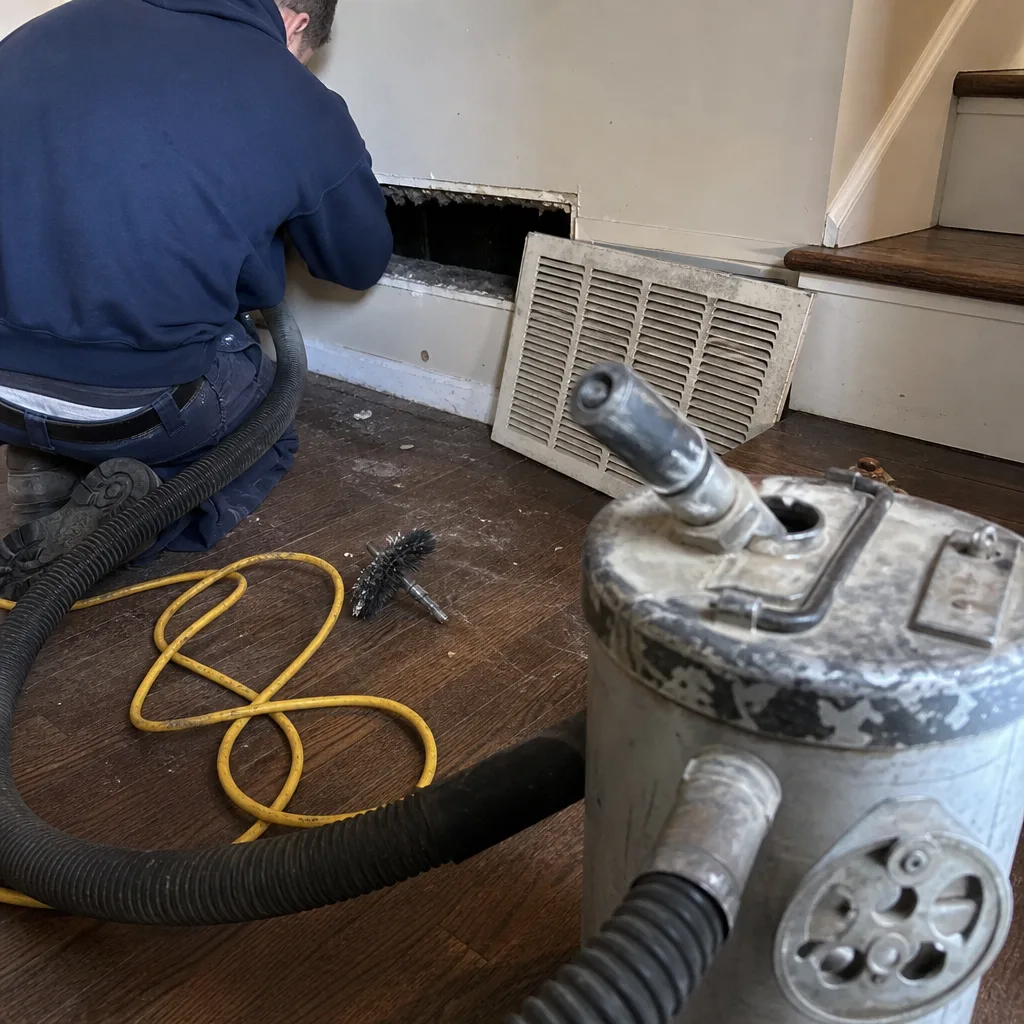 Before
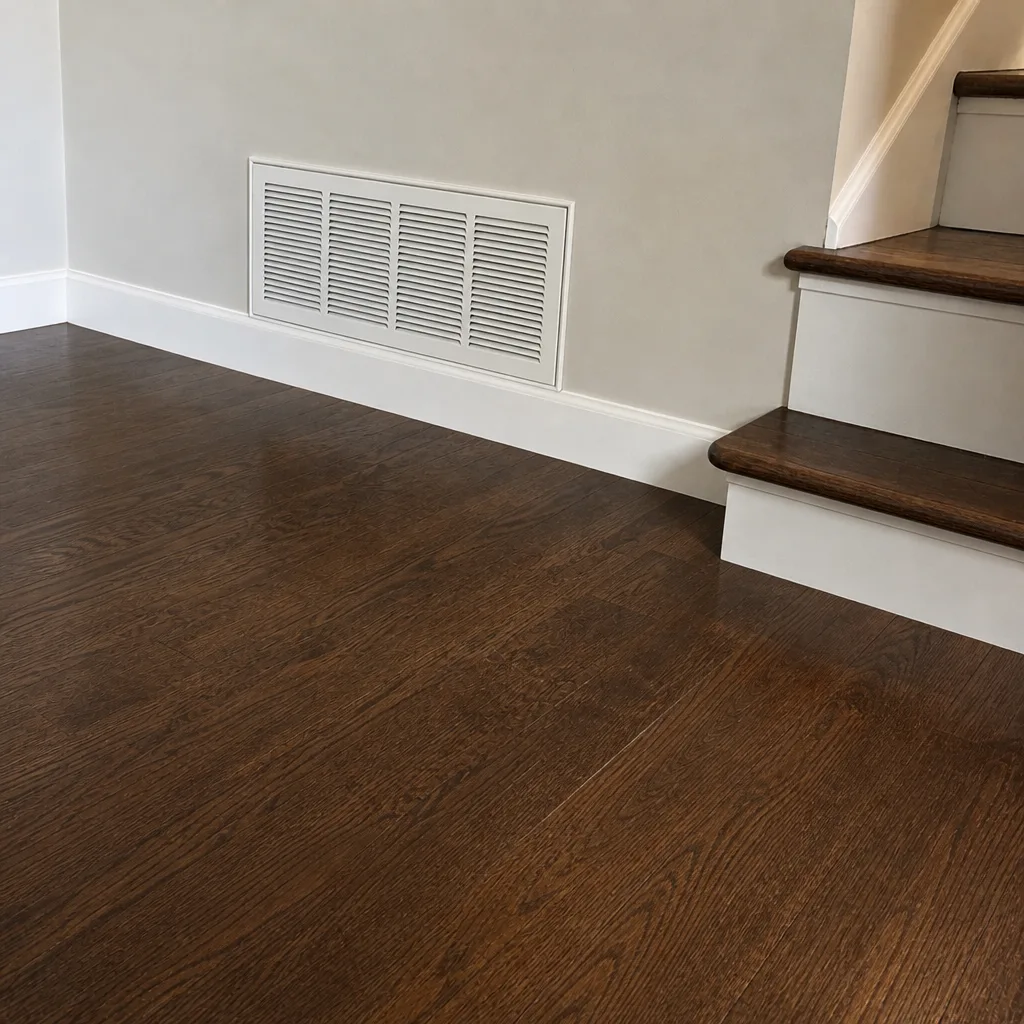 After
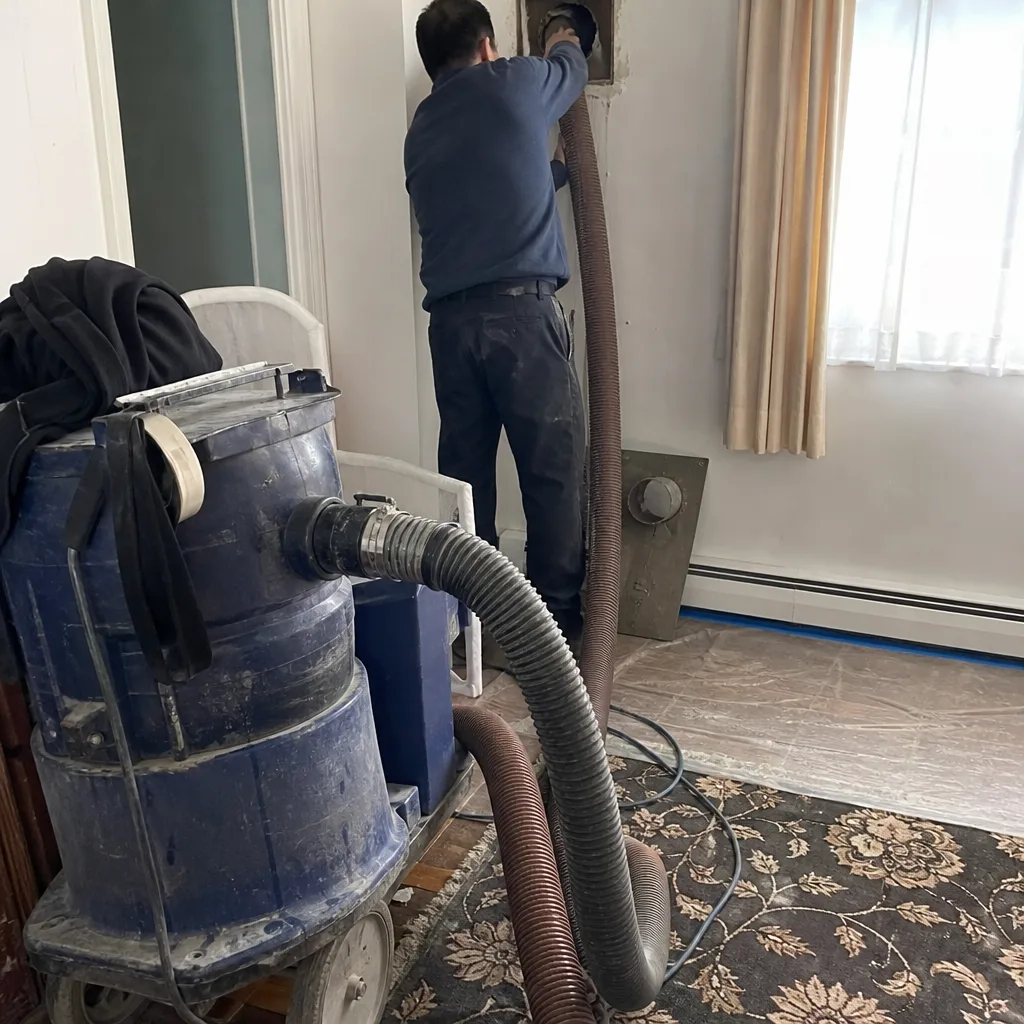 Before
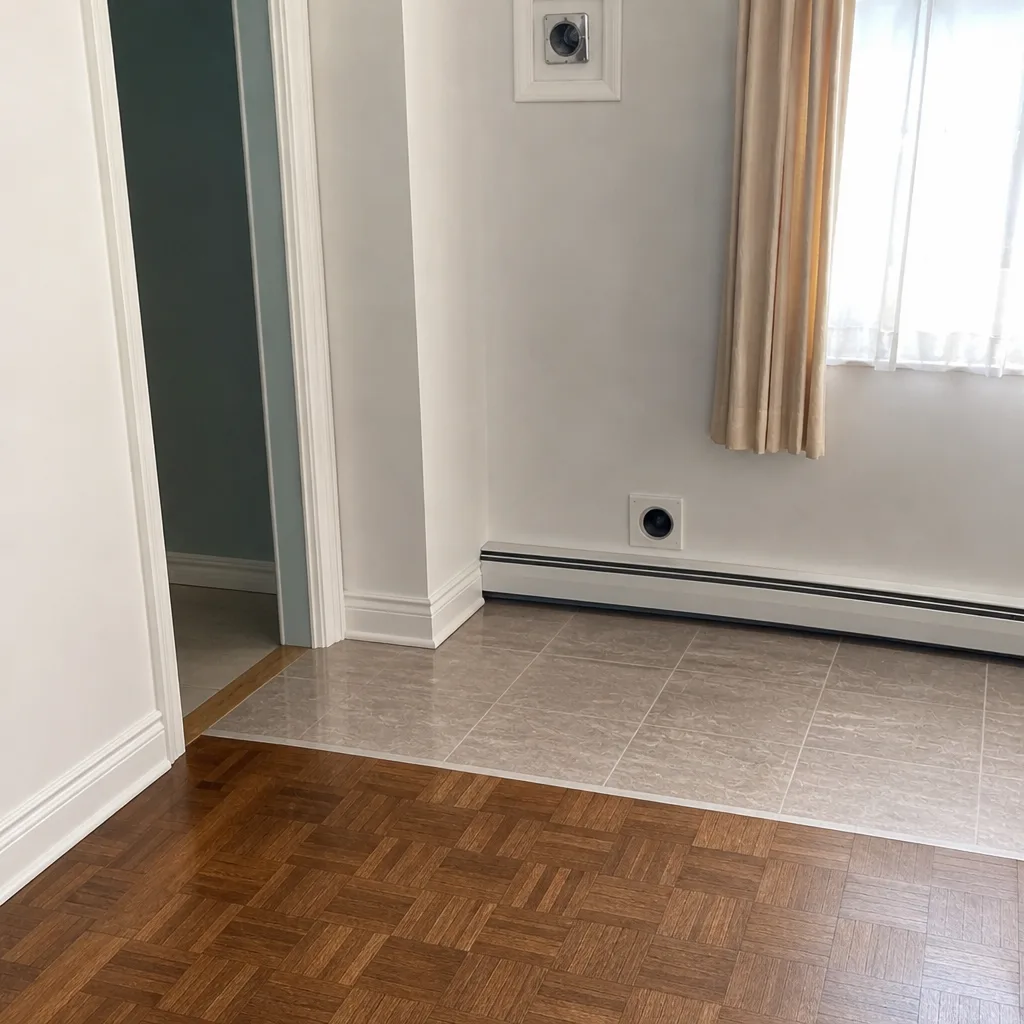 After
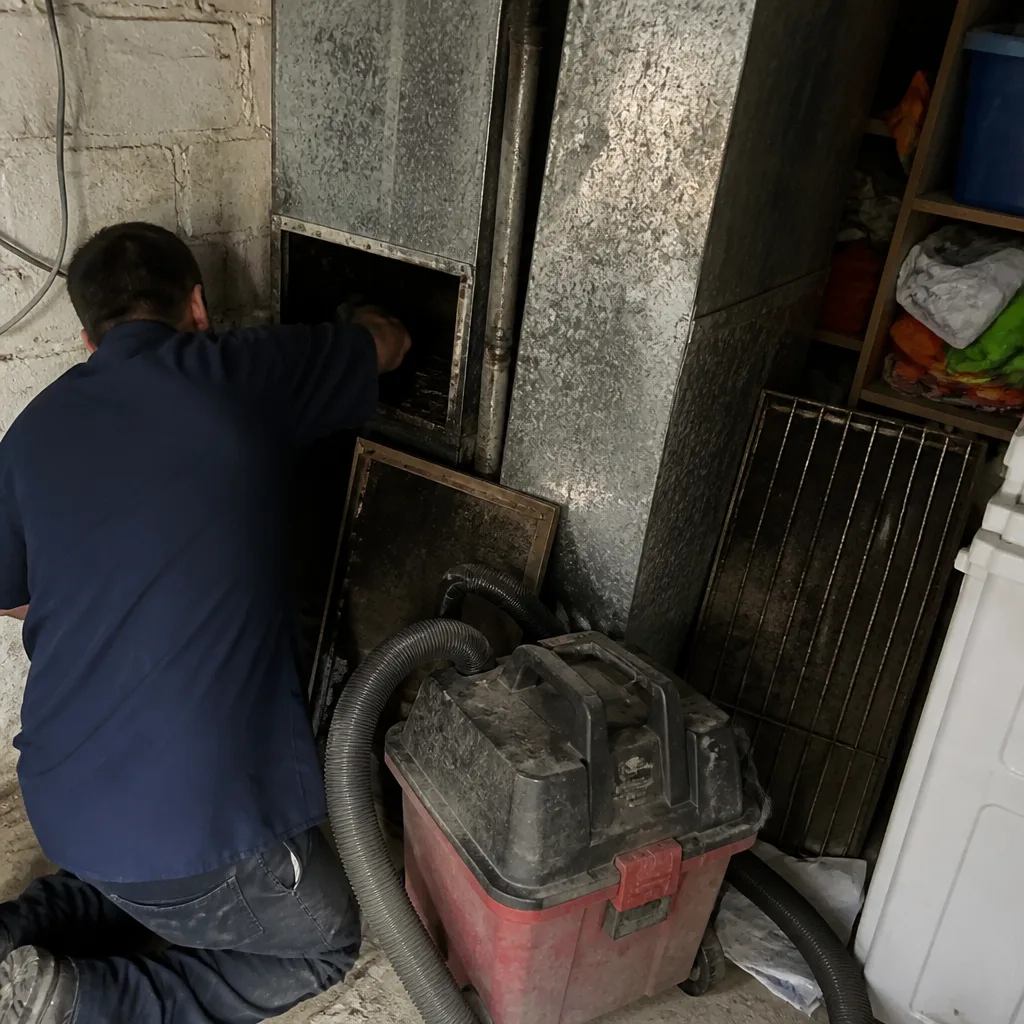 Before
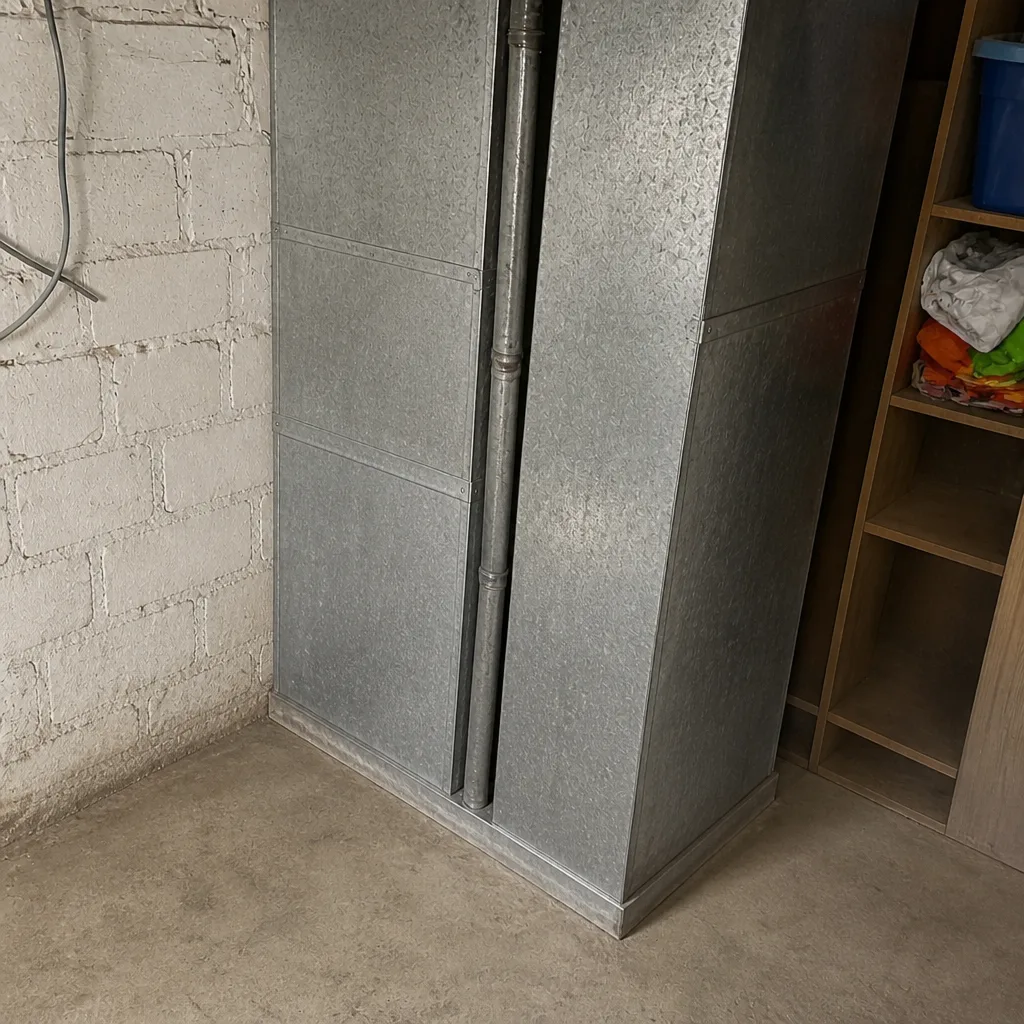 After
Frequently Asked Questions
Most Pelham Bay homes benefit from an assessment about once a year, but the timing matters more than the frequency. A pre-heating-season check in September catches the summer’s contribution before the furnace distributes it. Homes with pets, recent renovations, or allergy sufferers may benefit from an additional spring assessment. Call (877) 492-4238 for a free estimate, which will recommend a specific timing based on your system.
Yes, in this climate. Spring cleaning addresses pollen and winter dust, which is useful but not the highest-priority concern. The contamination that actually circulates when the heat starts in October is created by the humid summer, which means an inspection in September is the better-timed appointment. The distinction matters because the marketing reputation of spring cleaning isn’t tied to this part of the Northeast.
Rates in the Pelham Bay market for a full residential duct cleaning typically fall in the range of a few hundred dollars to roughly a thousand dollars for a standard single-family system, with larger systems, extreme accumulation, or add-on services like sealing or sanitizing pushing the figure higher. We quote one flat price per system, agreed before work begins, based on a free on-site estimate. The written estimate sets the final price. Call (877) 492-4238 for an exact quote; estimates are free.
The lowest quotes are usually priced as a per-vent teaser that grows once the technician is on site, or they reflect consumer-grade equipment that dislodges dust without capturing it. Our pricing is one flat price for the full system, no per-vent math, and every job runs on Rotobrush contact cleaning and Nikro HEPA-rated vacuum capture, so what you’re quoted is what the work actually is. Before-and-after photos of your own ducts document what happened. Call (877) 492-4238 for an estimate.
Ask for before-and-after photos of your actual duct runs, not stock images. If a company can’t produce them, that’s your answer. Photos of the return side and the supply runs behind the registers are the honest documentation. Our technicians photograph each job they complete and can walk through what they found. Call (877) 492-4238 to schedule a free estimate and see how the process works.
Yes, and the seasonal actions we’ve outlined are the ones that make a measurable difference. The filter strategy, the summer hygrometer test, and the return grille check are the three that give you real information rather than just activity. They won’t replace a professional cleaning, but they reduce how much accumulates between visits.
The Bottom Line
Pelham Bay duct care is seasonal, and the seasons don’t run in the order the marketing industry suggests. Spring pollen, summer humidity, fall heating startup, and winter particulate concentration each create different risks and call for different actions. The single most useful appointment is a September pre-heating-season inspection. A mid-summer humidity check with a basic hygrometer tells you whether the system already needs attention. Filter strategy by season matters more than most homeowners realize, and the four DIY actions we’ve laid out reduce accumulation between professional visits. When the signs call for a professional, call. Air Duct Cleaning Pelham Bay uses Rotobrush, Nikro, and Abatement Technologies equipment to address contamination a consumer-grade setup can’t touch. Call (877) 492-4238 for a free estimate. We answer 24/7. Fast dispatch from 7am to 7pm, Sunday through Friday.
Written by the team at Air Duct Cleaning Pelham Bay.