
Last updated November 25, 2026
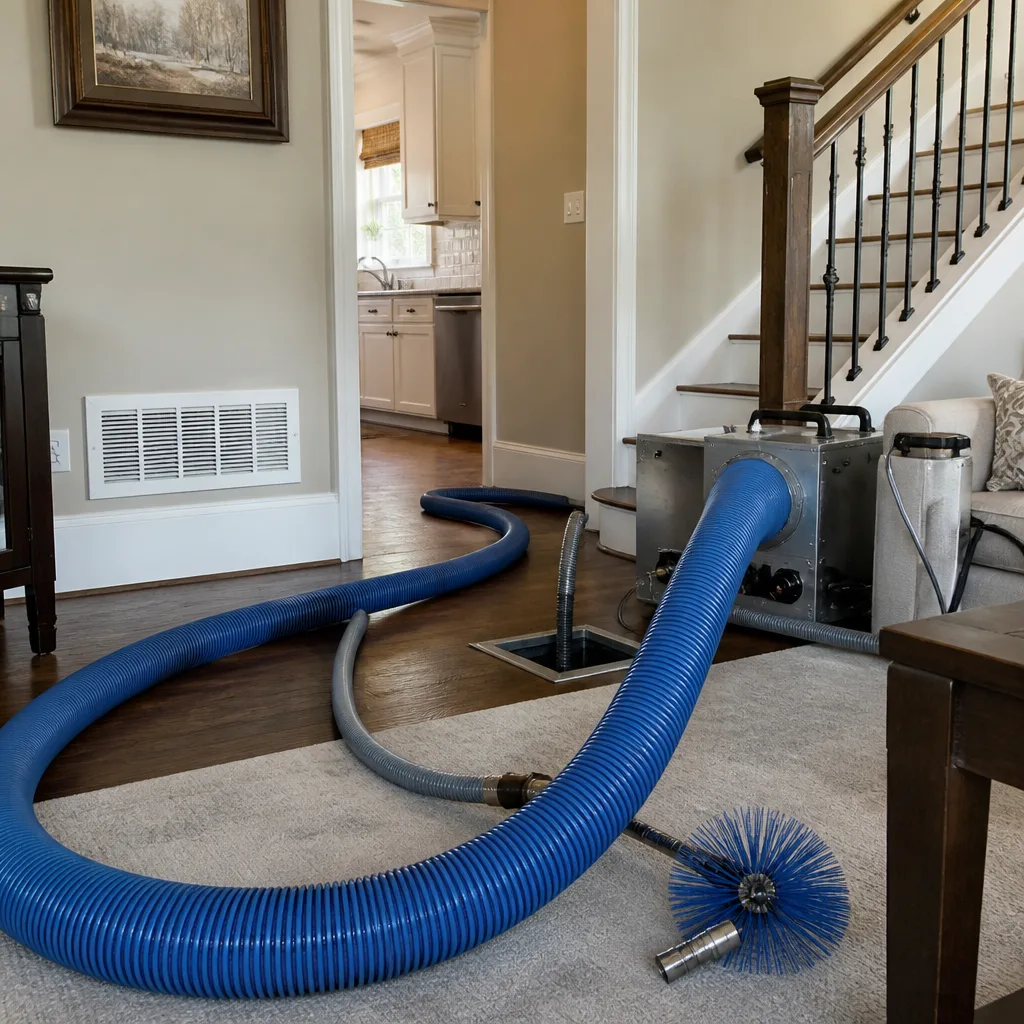 Whole-home duct cleaning
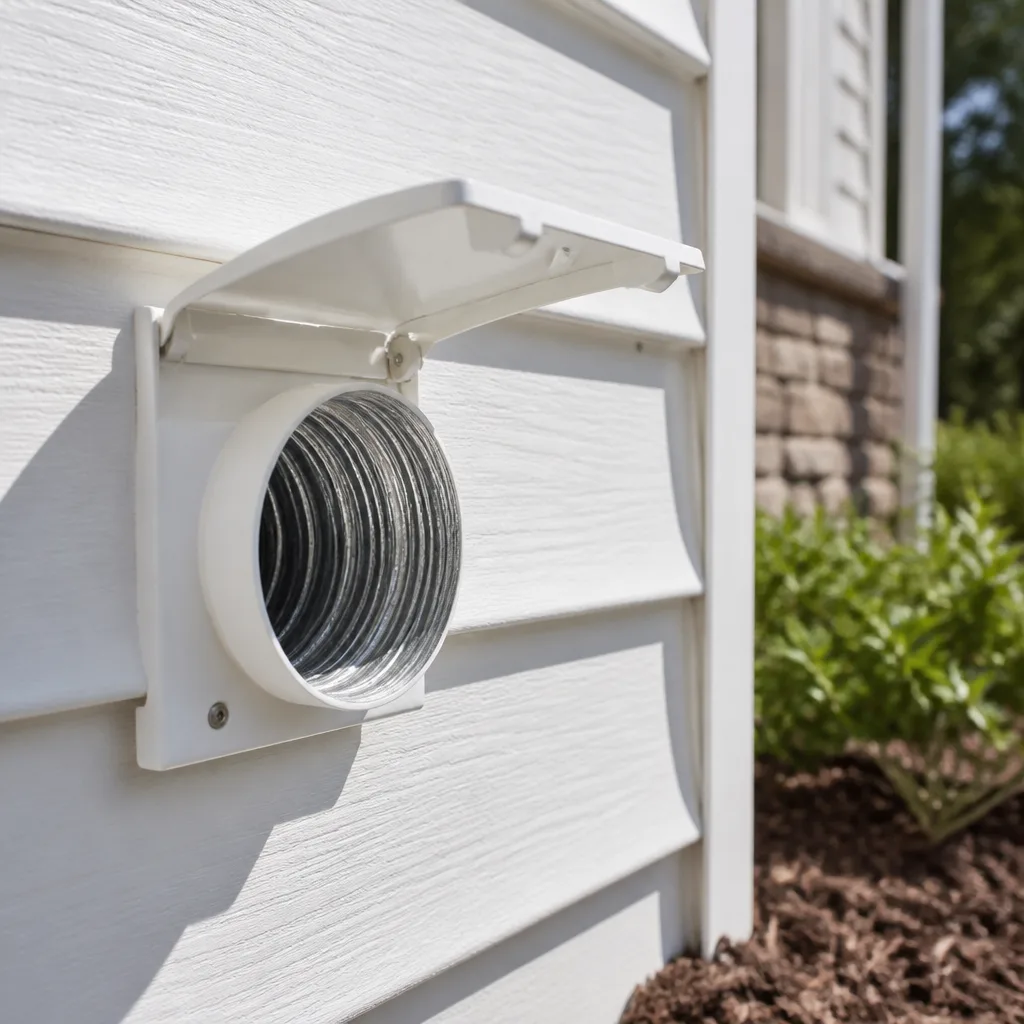 Dryer vent cleaning
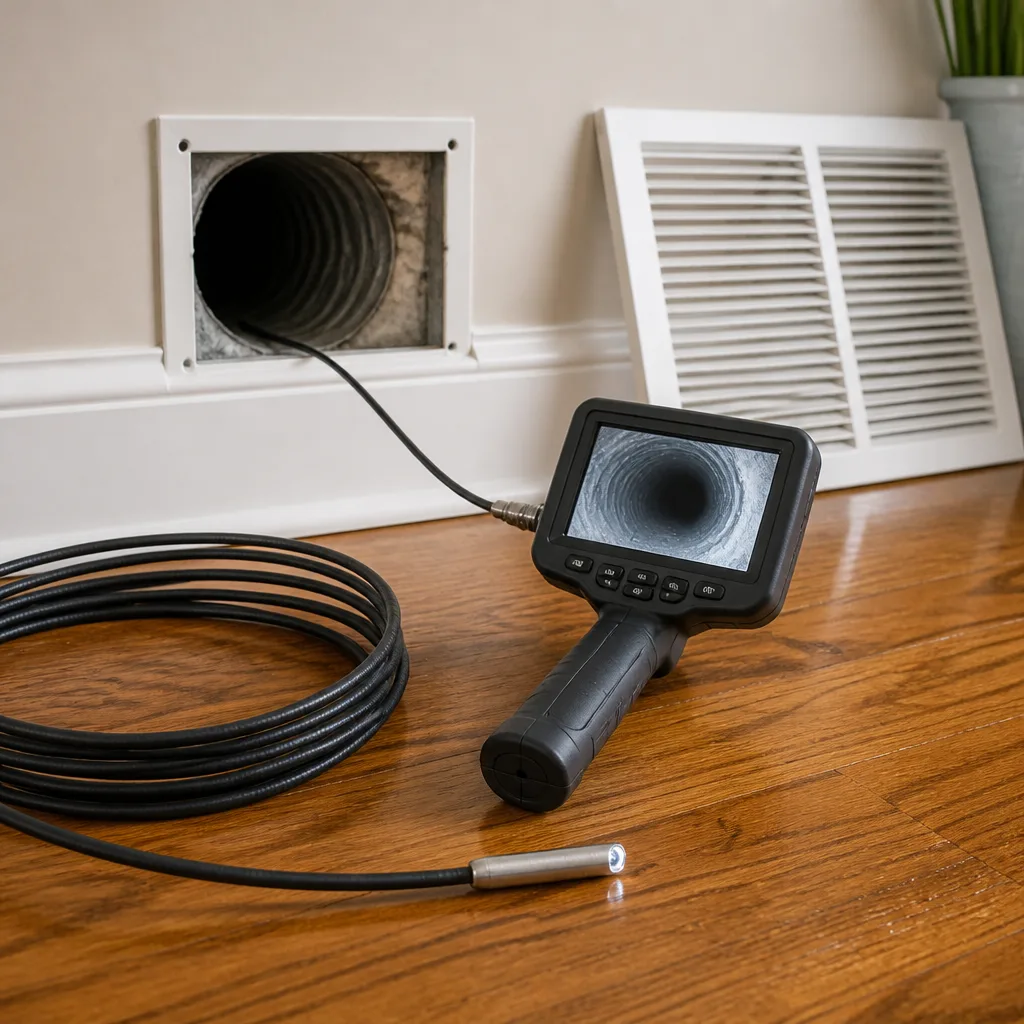 Camera inspection
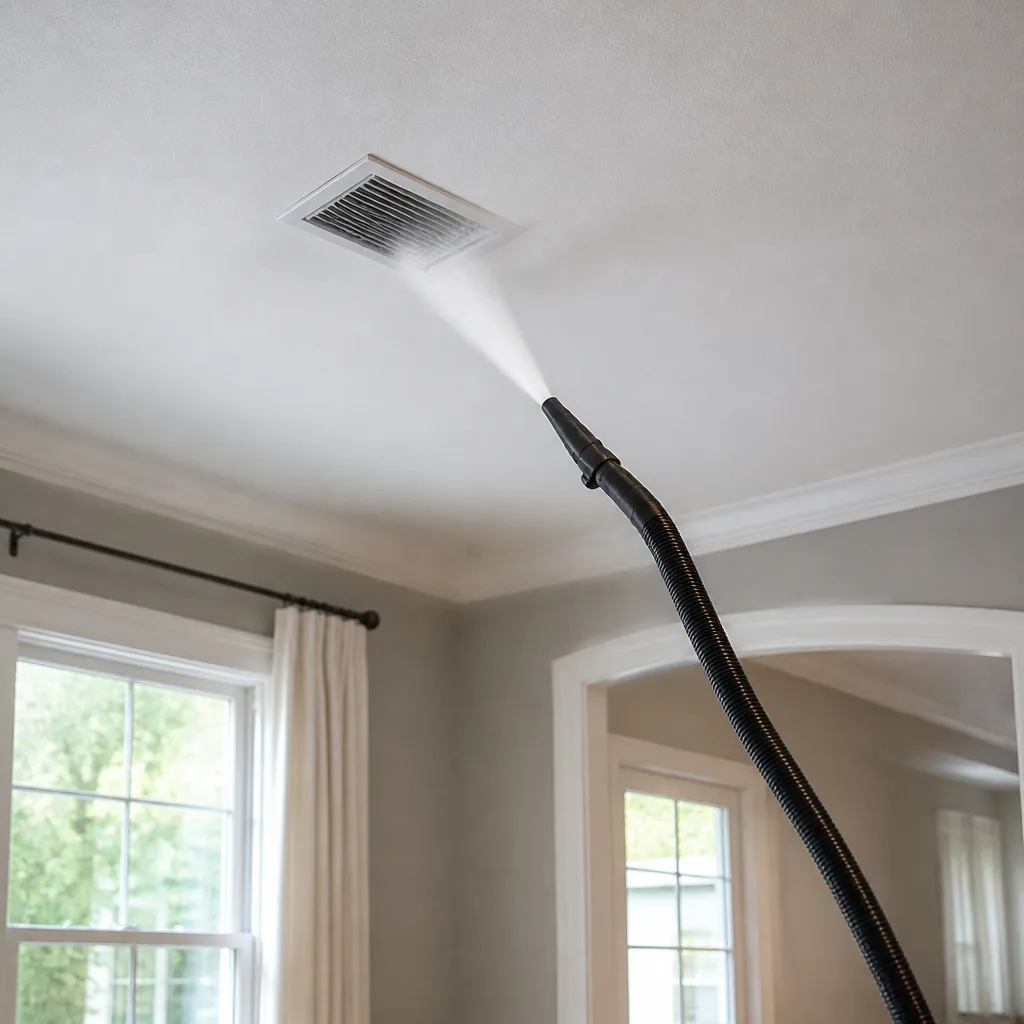 Sanitizing & deodorizing
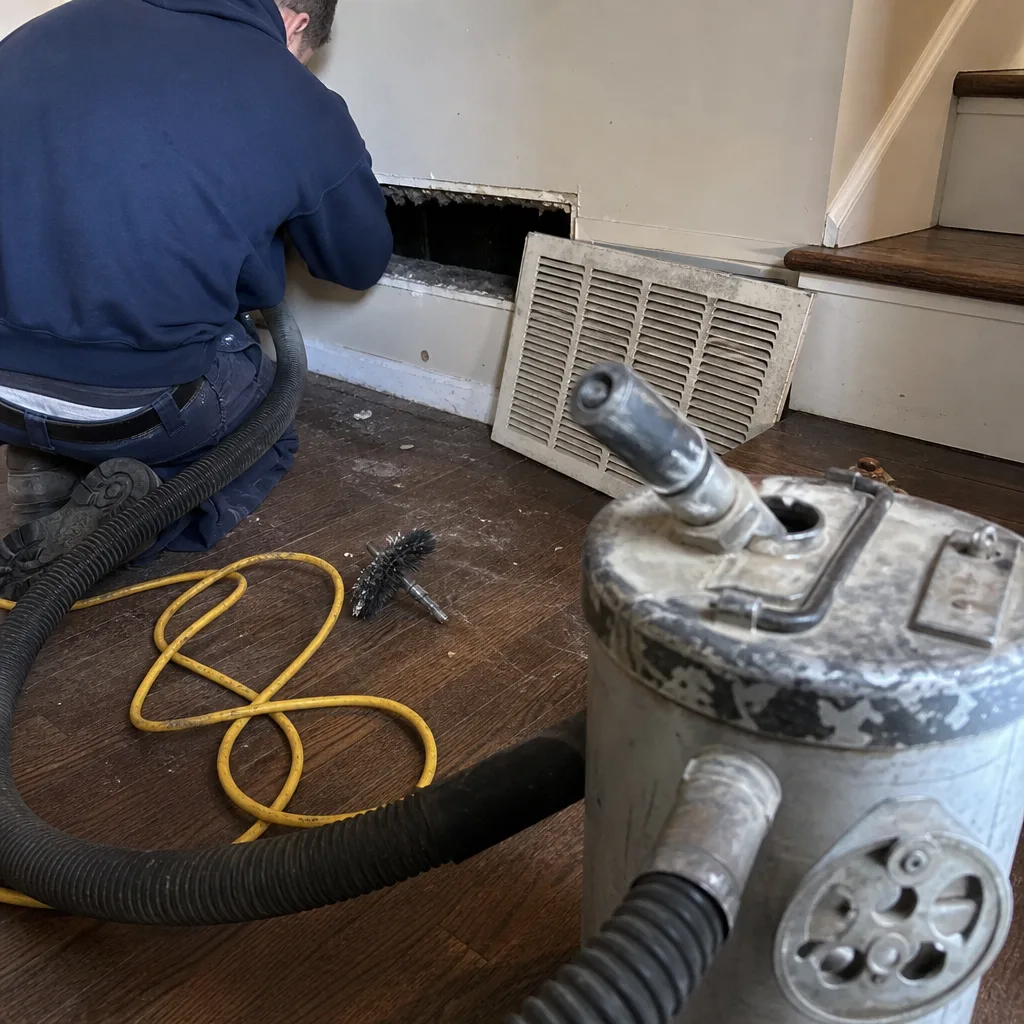
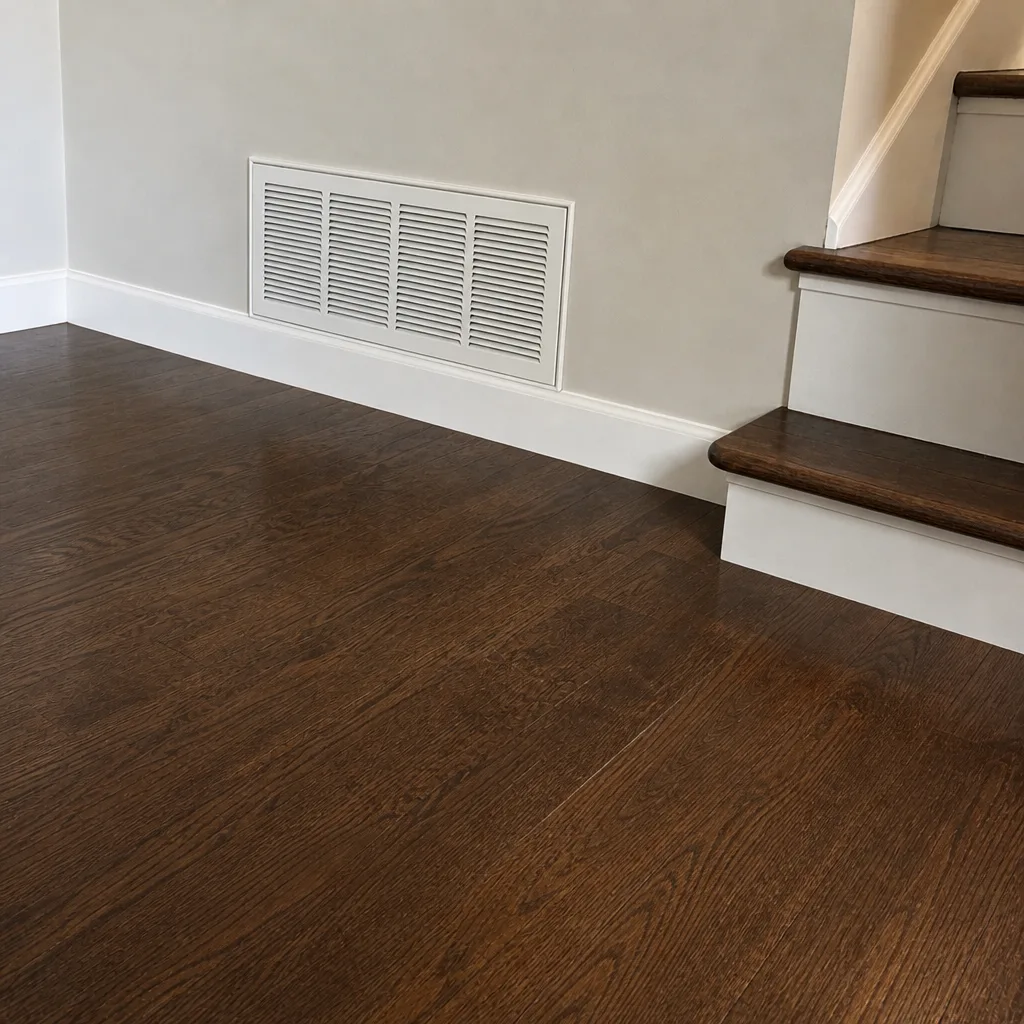
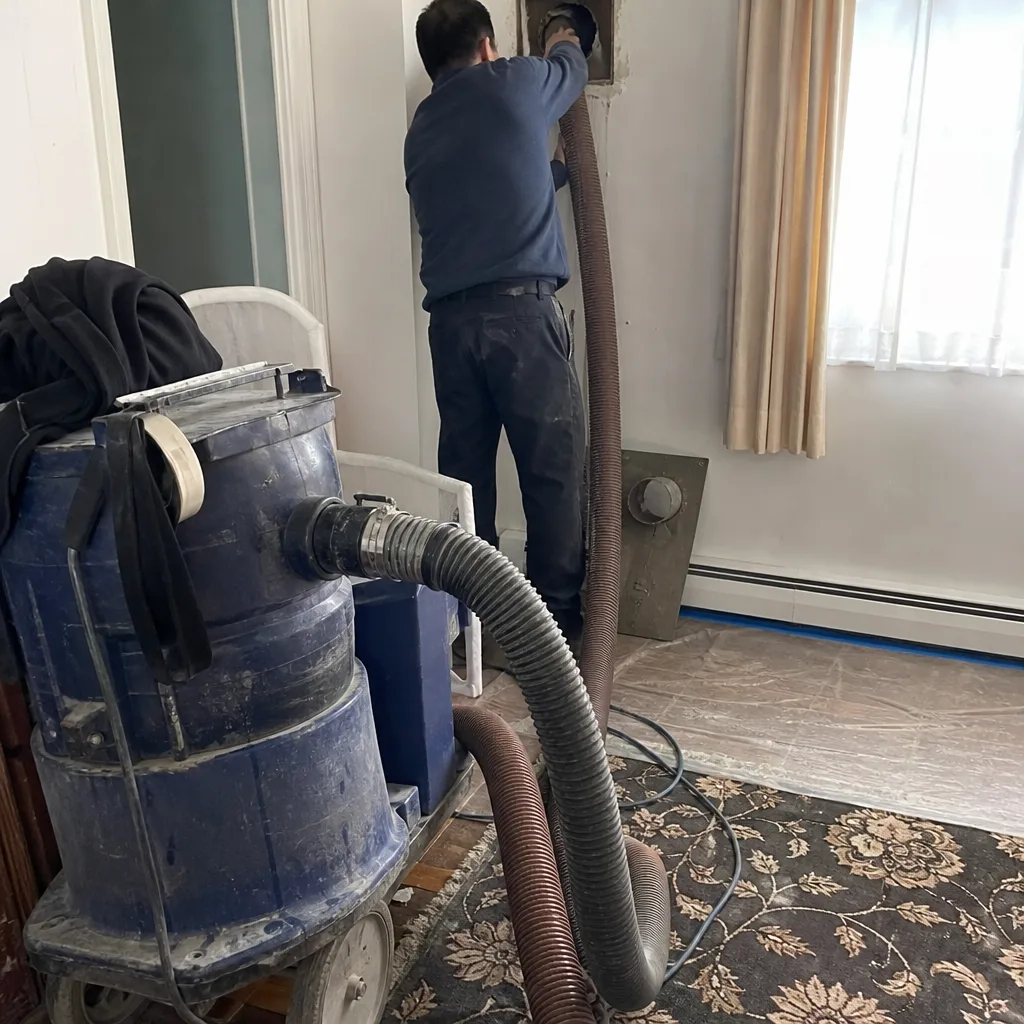
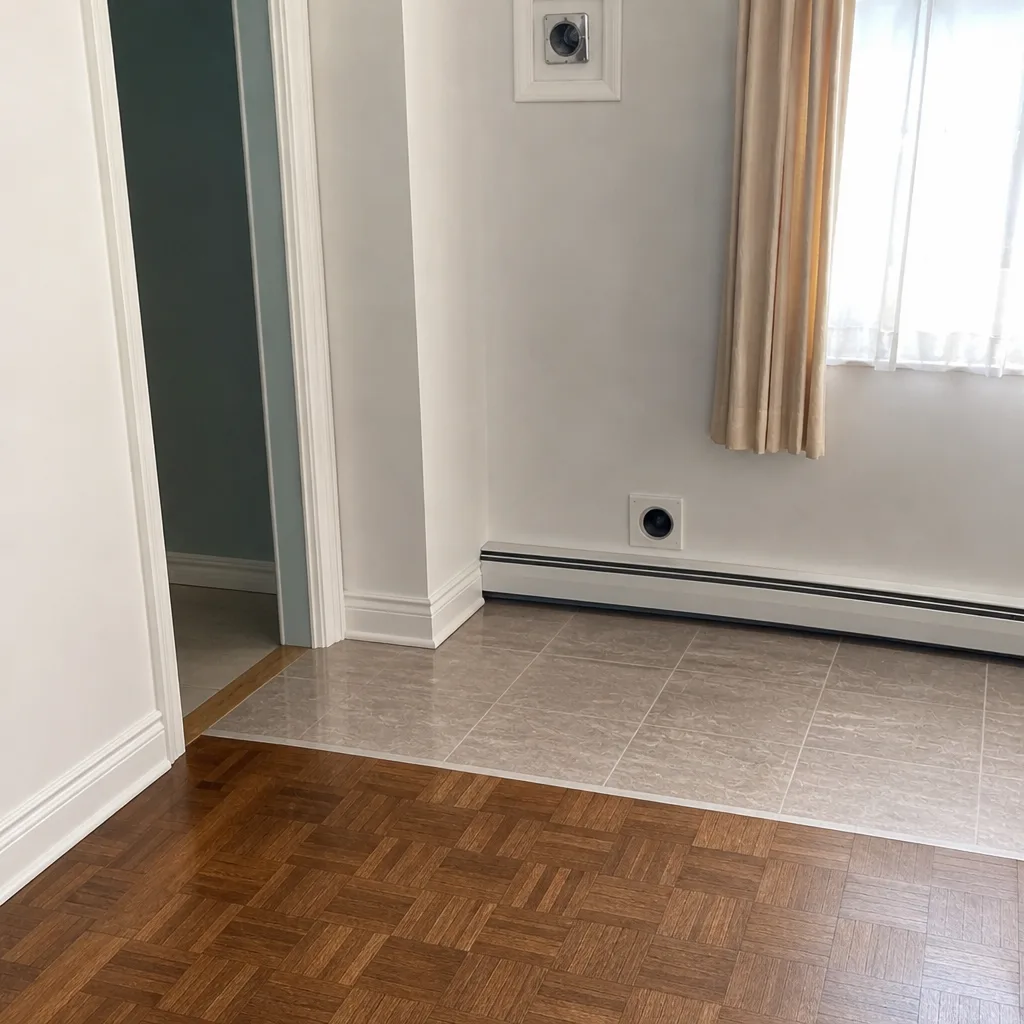
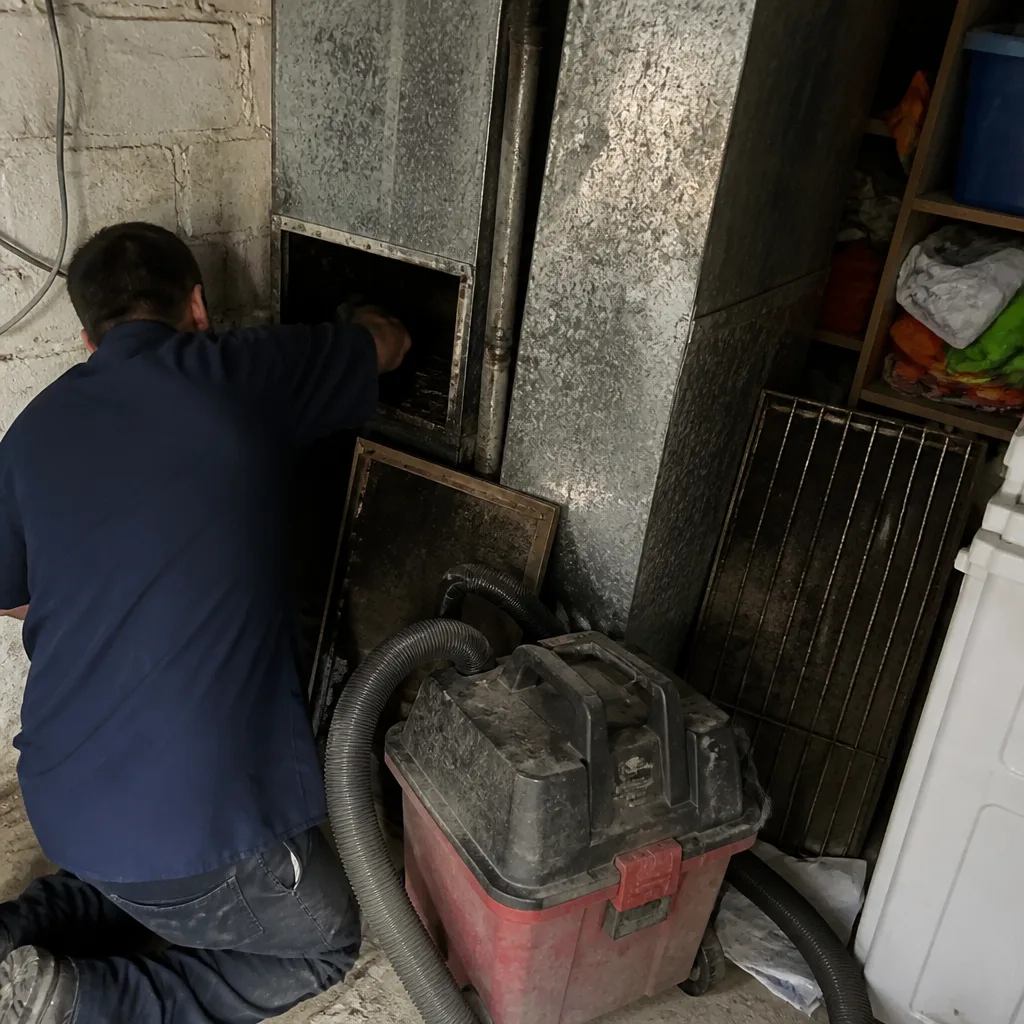
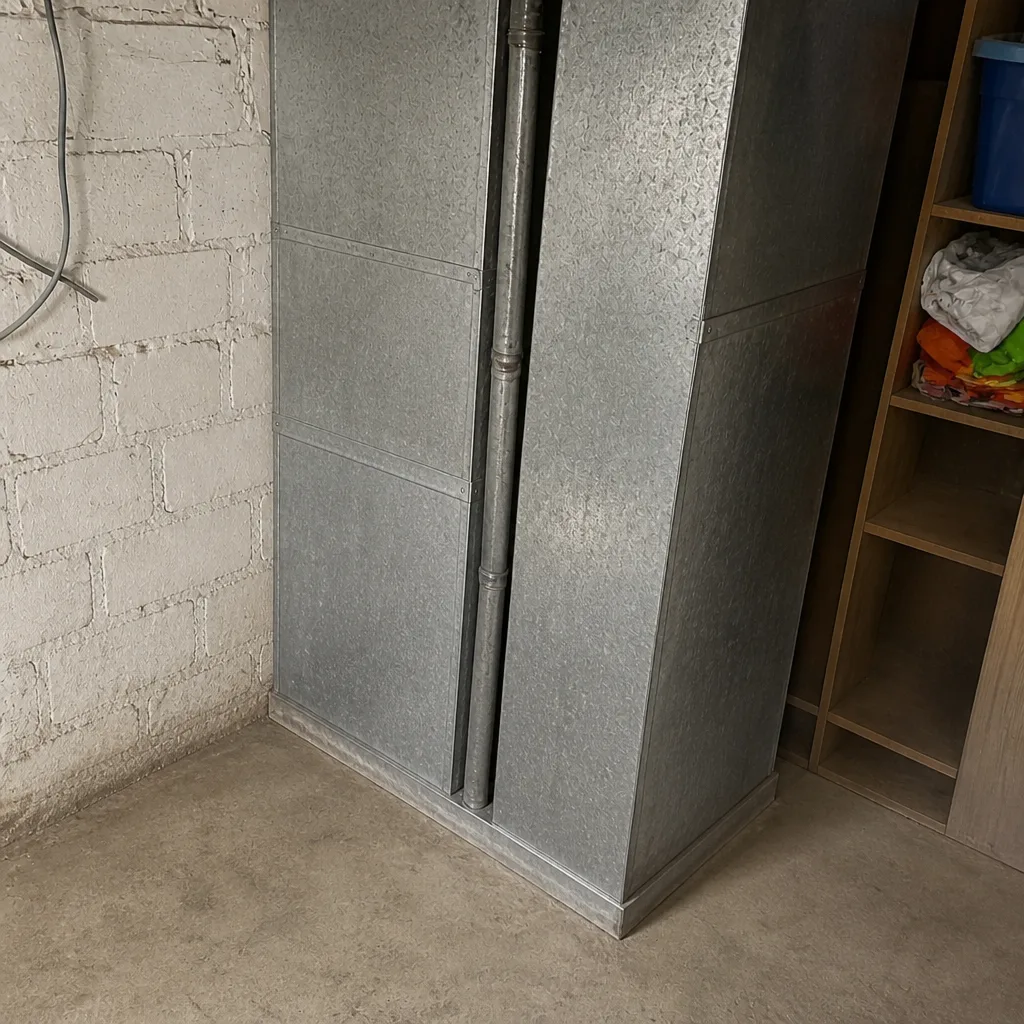
Whole-system duct and dryer vent check with before-and-after photos - you see exactly what came out of your vents
That "$99 whole-house special" is a bait ad - the real number appears once they are in your hallway, or the "clean" is a shop-vac at the register. We photograph the inside of your ducts before and after instead.
Air Duct Cleaning Emergency Preparedness Guide for Pelham Bay Homes
Most Pelham Bay homeowners think of an HVAC system as a heating and cooling appliance with a filter attached. It’s actually a network of return and supply ducts that pulls air from every connected room and pushes it back out through the same channels. When a basement floods, a kitchen fire chars the air, or a summer power outage leaves the system idle for days, that network becomes the fastest path for contaminated air to move through your living space. The visible mess gets cleaned up first, and the ducts get forgotten. This guide walks through how to assess your duct system after each of Pelham Bay’s most common household emergencies, what to inspect before you ever flip the thermostat back on, how to document damage for an insurance claim, and how to tell a real post-emergency response from a routine maintenance cleaning.
Quick Answer
After any flood, fire, or extended power loss in a Pelham Bay home, treat the duct system as contaminated until it’s been inspected and cleaned: keep the HVAC off, photograph the return grilles and any water line inside the ducts, and book a professional assessment before restarting the system. Routine surface cleaning isn’t enough after biological contamination – the work has to include containment, HEPA-rated vacuuming, and documentation you can hand to your insurer.
Styles & brands we work with
- Whole-home duct cleaning
- Dryer vent cleaning
- Camera inspection
- Sanitizing & deodorizing
Table of Contents
- Why Pelham Bay Duct Systems Get Compromised
- Protocol 1: After Basement Flooding
- Protocol 2: After a Kitchen or Structure Fire
- Protocol 3: After an Extended Summer Power Outage
- The HVAC Restart Sequence After a Flood
- How to Document Duct Damage for Insurance
- Duct Cleaning vs. Duct Remediation
- How to Choose a Post-Emergency Duct Contractor
Why Pelham Bay Duct Systems Get Compromised
Pelham Bay sits on low-lying ground near Long Island Sound, and the neighborhood has a long history with storm flooding. That geography matters for your ductwork in ways that aren’t obvious. Many Pelham Bay homes have finished or partially finished basements with an HVAC air handler or a return duct trunk running along the ceiling or low on a wall. When groundwater pushes in during a heavy rain event, that trunk and those return grilles are the first components to get wet – and they’re the last things anyone thinks to check.
A wet return duct doesn’t just stay wet. It becomes a growth surface. Sheet metal that’s been submerged or splashed holds moisture in seams and insulation. That moisture combines with settled dust and debris already inside the duct, and within a short window you have mold spores and bacteria feeding on it. Every time the system runs afterward, it pushes that contaminated air right back into the rooms you sleep and eat in.
The same vulnerability applies to fire and smoke. Smoke doesn’t just stain walls. It’s drawn into the return system during and after the fire, and it coats the inside of the ductwork with soot and combustion byproducts. A standard filter change won’t remove it.
In our experience across Pelham Bay, the homes that recover fastest from these events are the ones where the duct system was addressed as a health component, not an afterthought – inspected, documented, and cleaned before the system was restarted.
Protocol 1: Assessing Ducts After Basement Flooding in Pelham Bay
Basement flooding is the most common duct compromise in Pelham Bay because so many homes have their air handler and return trunk at or below grade. The sequence below is what we recommend running through after the water recedes, and it’s the same sequence we follow on a post-flood assessment.
- Keep the HVAC system off. Do not run the heat, the AC, or even the fan-only setting. Any operation pushes air through wet, contaminated ducts and distributes it into the living space.
- Photograph everything before you clean up. Capture the water line on the basement walls, the condition of the air handler, and any return grilles near the floor. This documentation matters for your claim later.
- Look inside accessible return ducts with a flashlight. You’re checking for standing water, visible mud or silt, soaked insulation, and any dark spotting that suggests biological growth. Don’t put your hands inside the duct – just observe.
- Note which components got wet. Flexible duct sections, fiberglass duct board, and insulated metal trunk lines absorb water and may need replacement rather than cleaning.
- Call for a professional assessment before restarting the system. A wet return system needs to be cleaned with HEPA-rated vacuum equipment and, where biological growth is present, treated as a remediation job rather than a routine cleaning.
Once the ducts are cleaned and dry, a full air duct cleaning should include the supply side too – flood water in the return doesn’t mean the supply branches escaped moisture from the humid air that followed.
What to Look For on the Air Handler
The air handler cabinet itself needs inspection after a flood. If water reached the cabinet, the blower motor, the control board, and the evaporator coil may all be affected. A duct technician can clean the ducts, but an HVAC technician needs to evaluate whether the equipment is safe to restart. In Pelham Bay, we recommend having both assessments on the same visit where possible so nothing gets missed between vendors. That’s one reason our full-system scope covers HVAC cleaning alongside duct work – you shouldn’t have to chase down separate contractors mid-cleanup.
Protocol 2: Assessing Ducts After a Kitchen or Structure Fire
Smoke residue is deceptive. It looks like surface staining on walls and ceilings, but the same soot that coats a kitchen also gets pulled into the return ducts during the fire and settles along the inside of the duct system. Even a small, contained kitchen fire can leave combustion byproducts in ducts that are hundreds of feet from the source, because the HVAC system (or natural air pressure during the fire) moves smoke throughout the connected space.
After any fire in a Pelham Bay home, follow this sequence:
- Do not run the HVAC system until the ducts have been inspected. Running it stirs settled soot and pushes it into every room.
- Photograph and document the extent of smoke damage in each room, including the grilles and any visible soot near return openings. Your insurance adjuster will want this.
- Note the fire’s location and severity. A contained kitchen fire with the system off may have minimal duct impact. A structure fire with the system running will have pushed smoke throughout.
- Request a written duct assessment that covers soot presence, odor, and whether components need cleaning versus replacement.
- Have the ducts cleaned with HEPA equipment and, where smoke odor persists, sanitized. Soot produces lingering odor long after visible cleaning is done.
Fire restoration often involves sealing the very ducts that carried the smoke. Duct repair and sealing after cleaning prevents the residual odor and fine particles from continuing to enter the living space through gaps and seams.
Protocol 3: After an Extended Summer Power Outage
A power outage isn’t a flood or a fire, but extended outages during Pelham Bay’s humid summers create their own duct problems. With the HVAC system offline for days, the ducts don’t get the air circulation that normally keeps them dry. That stagnant, humid air inside the ductwork is exactly the environment mold and mildew need, especially in homes where the ducts run through unconditioned spaces like attics or basements.
Here’s what to do after a multi-day outage:
- Inspect for visible moisture or musty odors at the supply and return grilles once power returns. A musty smell at the grille is a strong signal.
- Change the filter immediately after the outage if the system was running before it started. Debris and dust settle in the filter during idle periods.
- Run the system briefly and check the air at each grille. If you notice an odor that wasn’t there before, have the ducts assessed before regular use.
- Schedule a cleaning if the outage was long and the humidity was high. A pre-emptive cleaning is cheaper than a remediation later and removes the settled dust and any early biological growth.
Pelham Bay’s summer humidity is the variable. A one-day outage won’t matter. A week without cooling in July might. When in doubt, an inspection settles the question.
The HVAC Restart Sequence: What to Inspect and Isolate Before You Turn It On
This is the step most Pelham Bay homeowners skip, and it’s the one that determines whether an already-bad situation gets worse. Before you turn the system on after a flood, a fire, or a long outage, run through this check in order.
- Isolate wet components. If any return duct section, flex line, or duct board is wet, block or disconnect that section before running anything so contamination doesn’t distribute further.
- Inspect the air handler cabinet. Look for standing water, rust, or moisture at the blower and coil. If the cabinet is wet inside, do not restart.
- Confirm the ducts are dry and cleaned. Restarting a system with dirty, damp ducts does nothing but blow contaminated air. Cleaning comes first, not after.
- Replace the filter. A wet or debris-loaded filter defeats the point of everything you just did.
- Run the system on fan-only for a short period with windows open if possible, and check for persistent odors or visible moisture at grilles. If odors remain, stop and call for another assessment.
Safety caveat: HVAC and duct work after a flood or fire isn’t a DIY repair. Electrical components, mold contamination, and soot residues are all hazards that call for a trained professional. If the ducts show visible biological growth or the air handler was submerged, don’t restart the system yourself.
How to Document Duct Damage for Homeowners Insurance Claims
Here’s the part most Pelham Bay homeowners get wrong: they clean up before they document. Once a flooded basement is pumped and mopped, the insurance adjuster has nothing to inspect. The photos and written records you capture in the first hours after the event are what determine whether the duct damage gets covered.
What to photograph and record:
- The water line on basement walls, air handler cabinet, and any visible duct section – measured in inches above the floor.
- Inside of return ducts if visible from the grille, using a flashlight and a camera shot from the grille opening. Do not reach inside.
- Every affected return and supply grille with the room identified. Multiple angles help.
- The HVAC filter before you replace it – it shows the debris that was running through the system.
- Air handler and duct components showing moisture, rust, or water staining.
- Any visible biological growth inside ducts or on duct surfaces, with the scale visible in the photo.
Beyond photos, request a written professional assessment. An adjuster will weigh a written report from a duct technician that describes what was found, what was cleaned, and what was replaced much more heavily than a homeowner’s description. Ask for the report to name the components inspected, the contamination observed, and the method used to clean them. That’s the documentation your claim needs.
Duct Cleaning vs. Duct Remediation: What’s the Difference?
Not every post-emergency duct job is the same, and knowing the difference protects you from paying for the wrong service. Routine duct cleaning removes accumulated dust, debris, and light contamination from a functioning system. Duct remediation addresses a system that has been biologically contaminated – mold growth, sewage intrusion, significant water damage – and follows a more rigorous standard.
EPA and NADCA guidance both call for the same core elements when biological contamination is present:
- Containment – the work area is sealed off so contamination doesn’t spread into the living space during cleaning.
- HEPA-rated vacuum equipment – the vacuum captures fine particulates and mold spores, not just dust. Our Nikro HEPA-rated systems are chosen for exactly this reason.
- Contact cleaning of duct surfaces with tools that physically remove contamination, not just air-blast it. Rotobrush contact-cleaning systems are standard on this kind of job.
- Component replacement where cleaning isn’t enough – wet fiberglass duct board, damaged flex duct, or porous materials with deep growth typically need to come out.
- Third-party clearance testing where contamination was significant or the insurer requests it – an independent test to confirm the ducts are clean before the system goes back into service.
Ask any contractor which category the job falls into before agreeing to a price. A remediation quoted at a routine cleaning rate is a sign that containment and HEPA capture aren’t being included – and that’s the cheap quote that usually turns into a bigger one once the technician is on site.
How to Choose a Post-Emergency Duct Contractor
Post-emergency work is a different job than routine maintenance. The equipment is heavier, the containment is tighter, and the documentation is more demanding. Here’s what to ask before you book anyone.
- “What equipment do you use for biological contamination?” If the answer is a shop-vac or a generic “professional-grade vacuum,” look elsewhere. Rotobrush contact cleaning and Nikro HEPA-rated vacuums are the equipment standards for remediation-grade jobs.
- “Do you use containment?” A contractor doing remediation work will have a clear process for sealing the work zone and preventing cross-contamination.
- “Will you provide a written assessment for my insurance claim?” If the answer is no, the job isn’t set up for a post-emergency situation.
- “Do you handle full-system work or just ducts?” Flood, fire, and outage events often affect the air handler, dryer vent, and HVAC equipment alongside the ducts. A single provider that covers the whole forced-air system saves you from coordinating multiple vendors mid-cleanup.
- “What’s the price and is it per job or per vent?” Post-emergency duct work isn’t priced by the vent. Ask for one flat price per system, agreed before work starts, with a written estimate that sets the final number.
- “Can you show me before-and-after photos of my own ducts?” A contractor confident in their equipment will photograph the ducts before cleaning and after, so you can see the difference for yourself.
Beyond the ducts themselves, ask whether the contractor integrates air quality products like Honeywell or Aprilaire filtration into the cleanup – especially after a fire or flood where biological contamination was present. Getting clean ducts is the first step. Keeping them clean long-term is the second.
Common Mistakes to Avoid
- Restarting the HVAC system before inspecting the ducts. Running the system after a flood or fire pushes contaminated air through every room in the house. Keep the system off until the ducts are assessed and cleaned.
- Cleaning up before you photograph. Once the basement is pumped and the walls are wiped, the water line evidence is gone. Take photos and measurements first – your Pelham Bay insurance claim depends on it.
- Assuming a routine cleaning covers a post-emergency job. A standard duct cleaning doesn’t include containment, HEPA-rated vacuuming, or written documentation. Ask for the remediation standard when biological contamination is present.
- Skipping the air handler inspection. The ducts can be cleaned perfectly, but if water reached the blower motor or coil, restarting the system can spread moisture and contaminate the newly cleaned ducts within days.
- Ignoring musty odors a few weeks after cleanup. Odors that emerge days or weeks after the visible cleanup finished usually mean moisture or growth was missed. Address it before it spreads.
- Accepting a per-vent price on a flood or fire job. Post-emergency duct work is priced per system, not per opening. A per-vent quote on a remediation job is a warning sign that the scope hasn’t been assessed properly.
- Leaving dryer vents out of the picture. A fire, flood, or long outage that affects the ductwork usually affects the dryer vent cleaning schedule too – especially in older Pelham Bay homes where ductwork and vent runs share a utility space.
See the difference
 Before
 After
 Before
 After
 Before
 After
When to Call a Professional
You should call a professional duct technician in Pelham Bay if any of the following apply: your basement flooded and any part of the return duct or air handler got wet; you had a kitchen or structure fire and the HVAC system ran during or after the event; your ducts smell musty after an extended summer outage; you see visible dark spots inside return grilles; or your insurer is asking for a written duct assessment. In any of these cases, don’t restart the system and don’t try to clean the ducts yourself – biological contamination, soot, and electrical components near wet ducts are hazards that call for a trained professional. Air Duct Cleaning Pelham Bay offers free estimates in Pelham Bay – call (877) 492-4238. We answer 24/7. Fast dispatch from 7am to 7pm, Sunday through Friday. The local pro is licensed and insured as their state requires, and every job is priced as one flat price per system, agreed before work starts, with a written estimate that sets the final price.
Frequently Asked Questions
Air duct cleaning in Pelham Bay is priced per system, not per vent, and a post-emergency job that includes containment, HEPA-rated vacuuming, and documentation runs higher than a routine cleaning because the equipment and process are more involved. We don’t quote a number over the phone – too much depends on the size of the system, the extent of contamination, and whether components need replacement. What we do commit to is one flat price per system from a written estimate, agreed before work starts, and before-and-after photos of your own ducts so you can see the work was done. Call (877) 492-4238 for an exact quote – estimates are free.
No. If any part of the return duct or air handler got wet, running the system distributes moisture and contamination through the entire house within hours of restart. Keep the system off and get a professional assessment before you turn it back on. This is particularly important in Pelham Bay homes with basement air handlers, where the wet component is often closest to the living space.
Ask for before-and-after photos of your own ducts, not a stock image. A contractor using Rotobrush contact-cleaning equipment and Nikro HEPA-rated vacuums should be able to show you what was removed from your system. Ask for a written report of what was cleaned and, after a flood or fire, what was inspected and documented for insurance purposes. Call (877) 492-4238 for an estimate – estimates are free.
Usually because the scope is different. A cheap quote often leaves out containment, uses consumer-grade vacuums instead of HEPA-rated equipment, doesn’t include documentation for your insurer, and skips component inspection. On a routine maintenance job that gap may not matter. On a post-emergency job it does – it’s the difference between cleaned ducts and ducts that will need remediation again within months. Ask what the quote includes before you compare prices. Call (877) 492-4238 for an exact quote – estimates are free.
For a well-maintained system with no emergencies, every few years is a reasonable baseline. After a flood, fire, or extended outage, it isn’t a schedule question – it’s a response. Ducts contaminated by water, smoke, or biological growth need assessment and cleaning before the system goes back into regular use. Ask us to walk through your system’s specific situation when you call. Call (877) 492-4238 – estimates are free.
Sometimes. Third-party clearance testing is appropriate when contamination was significant, when mold or sewage entered the ductwork, or when your insurer requests it. It’s an independent test that confirms the ducts are clean before the system returns to service. For lighter contamination, HEPA-rated vacuuming and contact cleaning may be sufficient without third-party testing. A written professional assessment will help you decide which category applies. Call (877) 492-4238 – estimates are free.
The Bottom Line
The visible damage after a Pelham Bay flood, fire, or extended outage gets addressed first. The duct system – the part of your home that actually moves air through every room – usually gets forgotten. The recovery sequence that works is consistent: keep the system off, document everything for your insurer, get a professional assessment, and have the ducts cleaned with HEPA-rated equipment and containment before restarting. After cleanup, a full-system scope covering Air Duct Cleaning Pelham Bay, dryer vents, HVAC equipment, duct repair and sealing, and sanitizing is what prevents the problem from coming back. If you’re not sure whether your ducts were affected, an assessment settles it. Our technicians have up to 14 years of experience, and we use Rotobrush and Nikro systems – the same equipment commercial contractors rely on.
Call (877) 492-4238 for a free estimate. We answer 24/7. Fast dispatch from 7am to 7pm, Sunday through Friday. One flat price per system, agreed before work starts, with a written estimate that sets the final price.
Written by the team at Air Duct Cleaning Pelham Bay.