
Last updated November 25, 2026
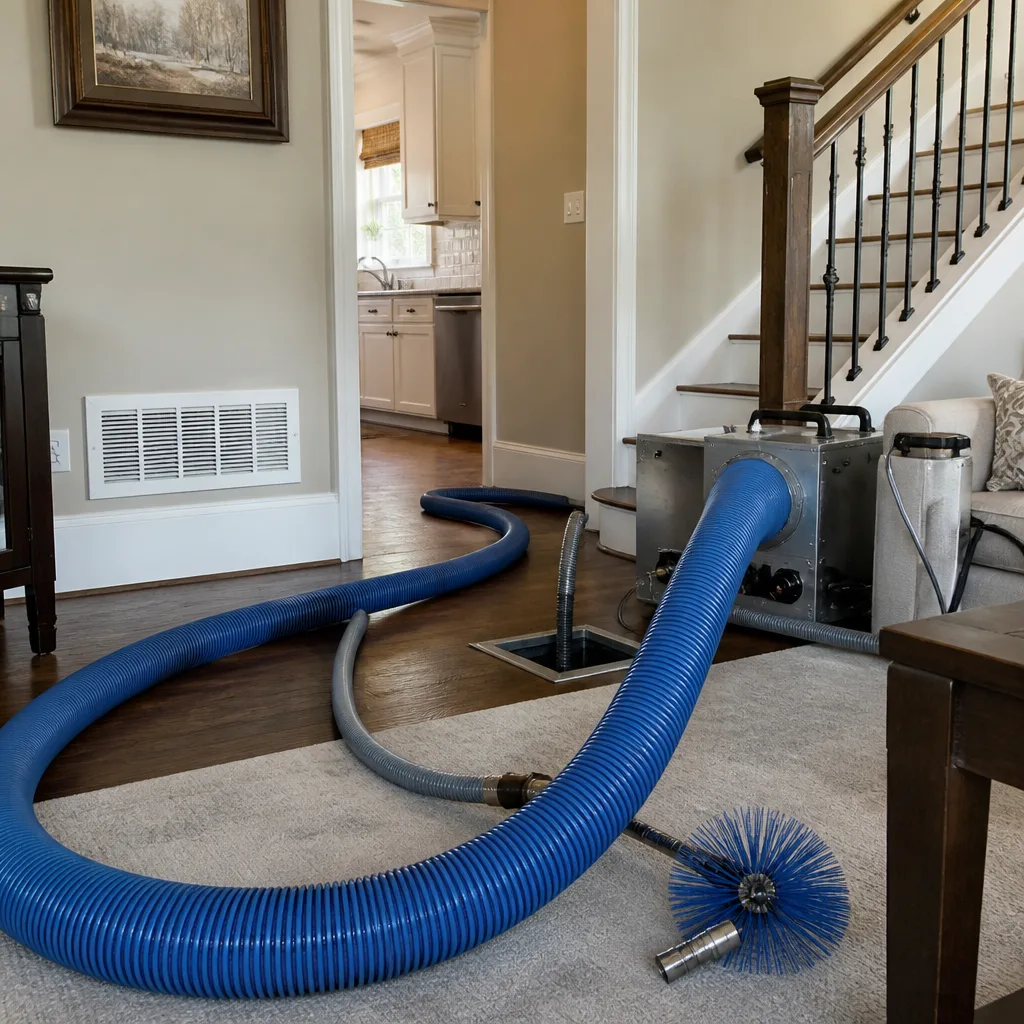 Whole-home duct cleaning
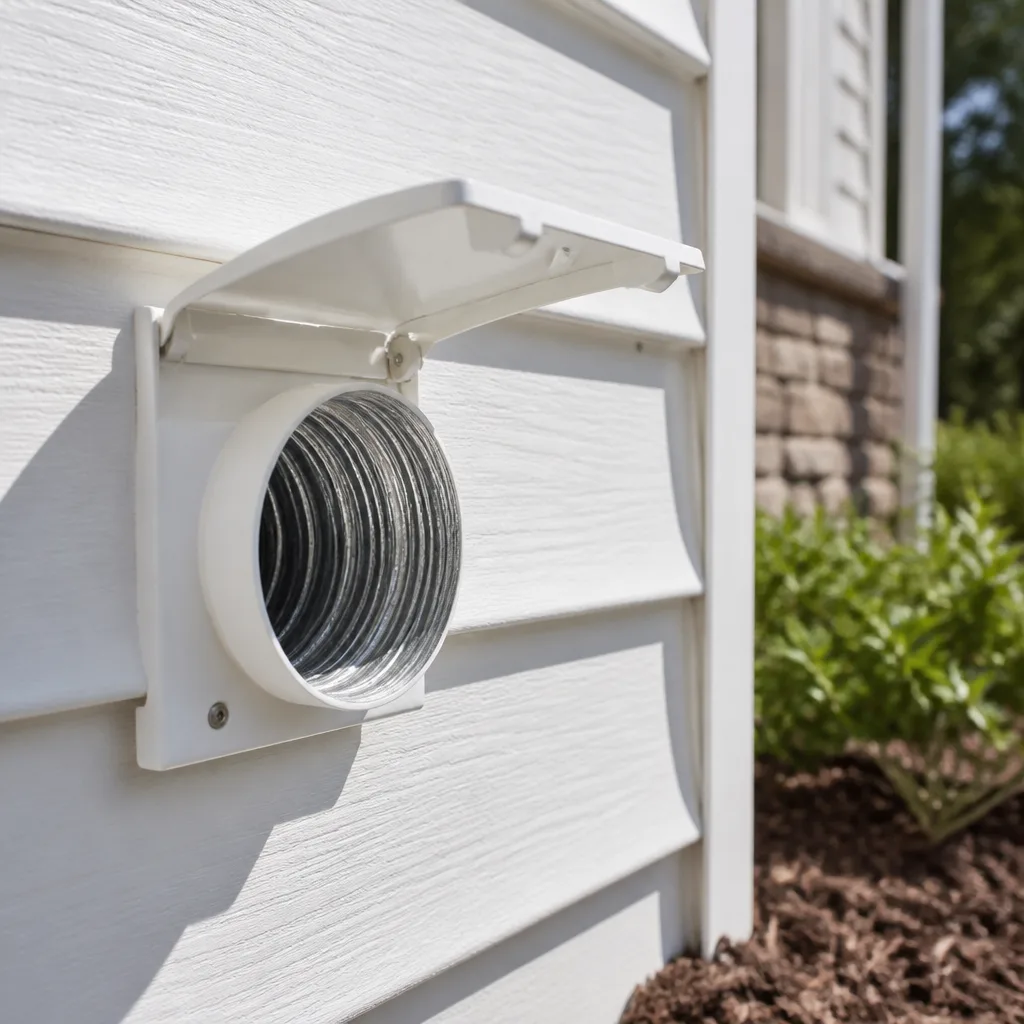 Dryer vent cleaning
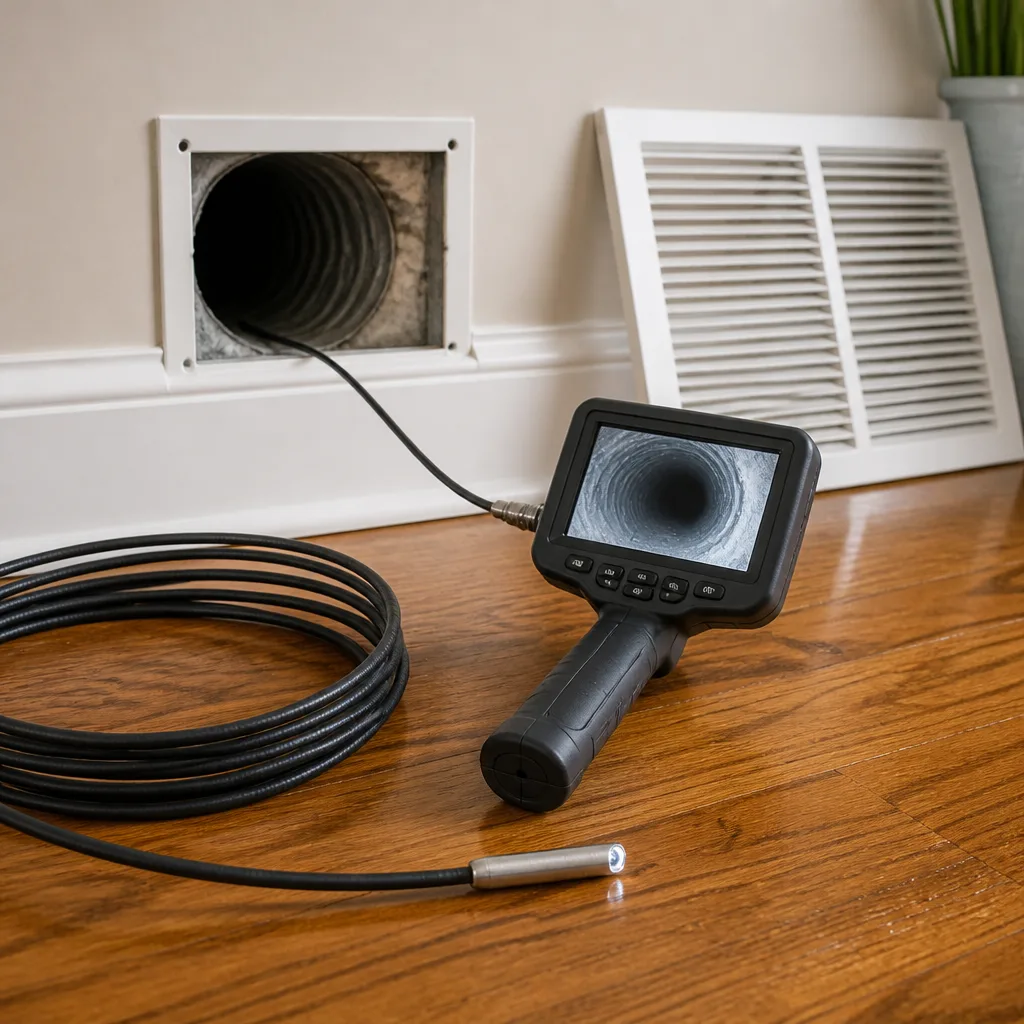 Camera inspection
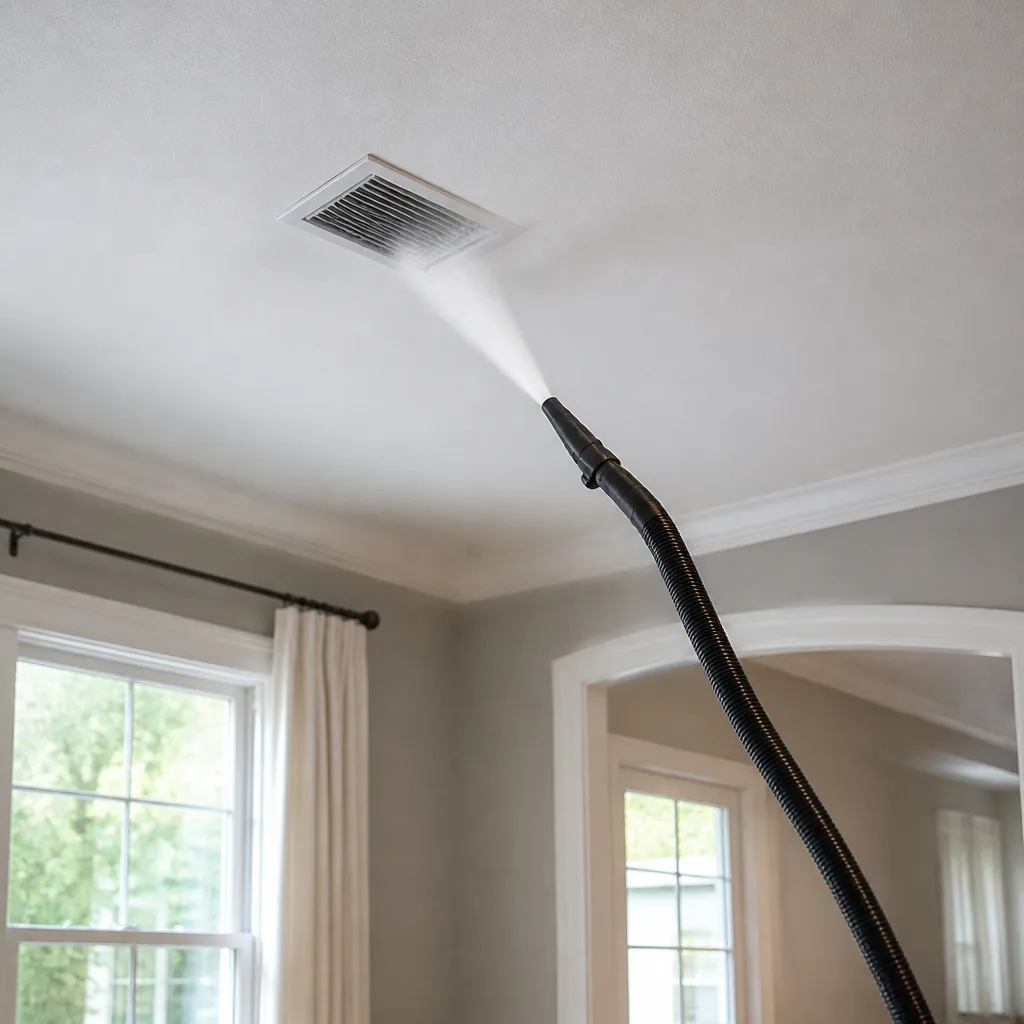 Sanitizing & deodorizing
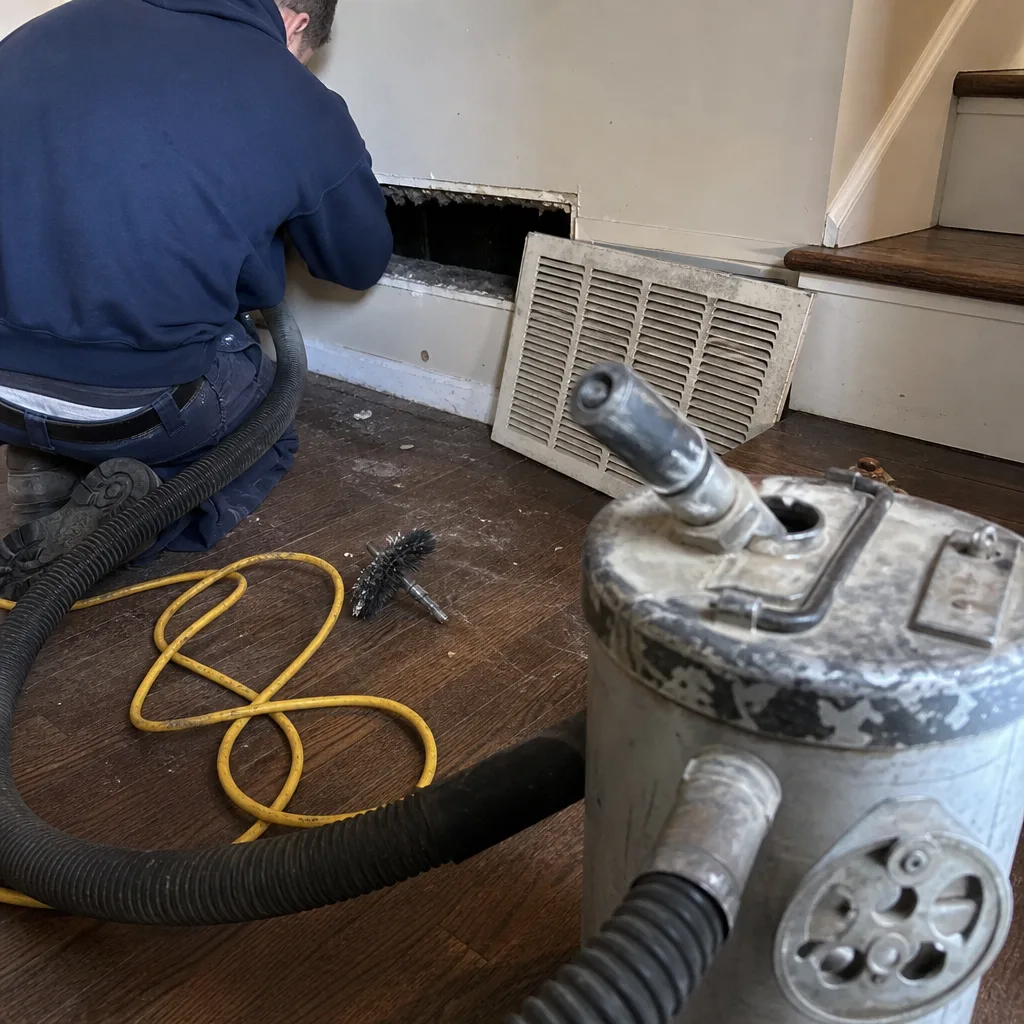
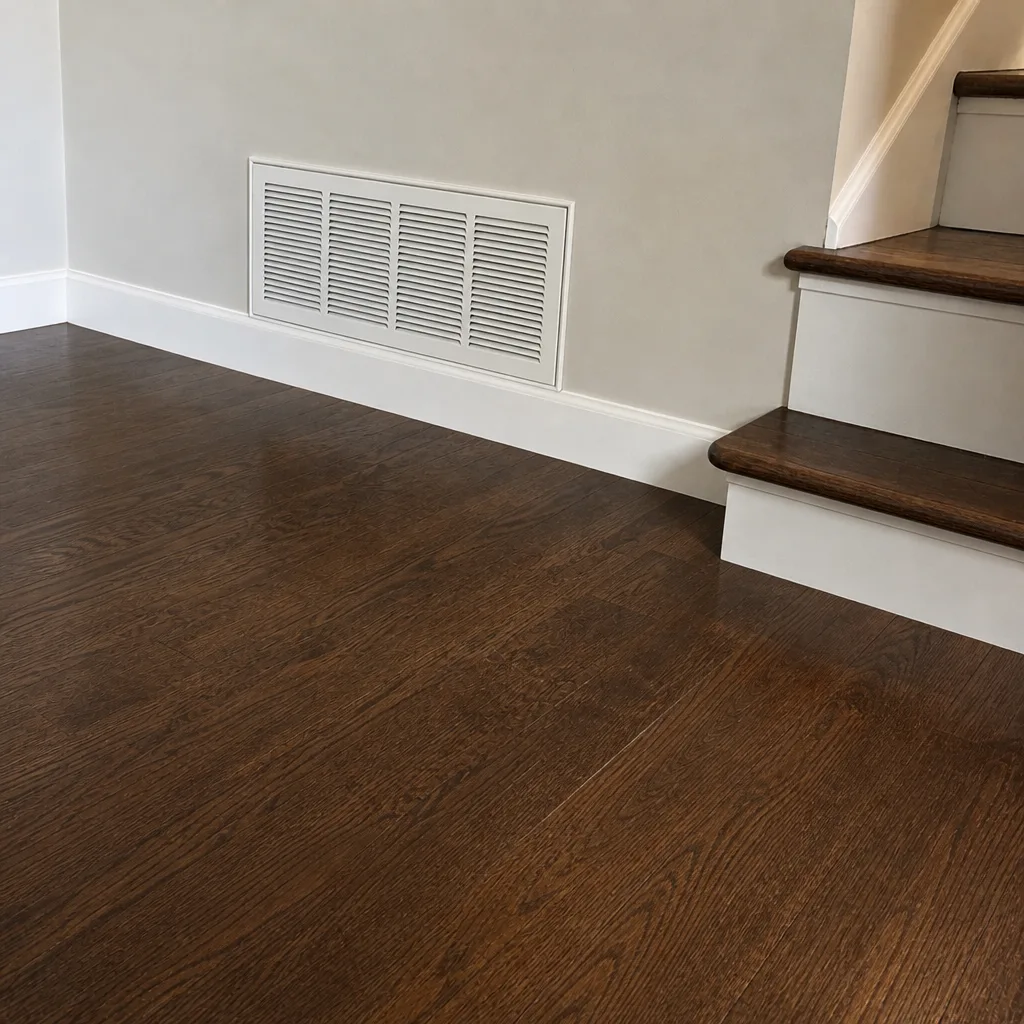
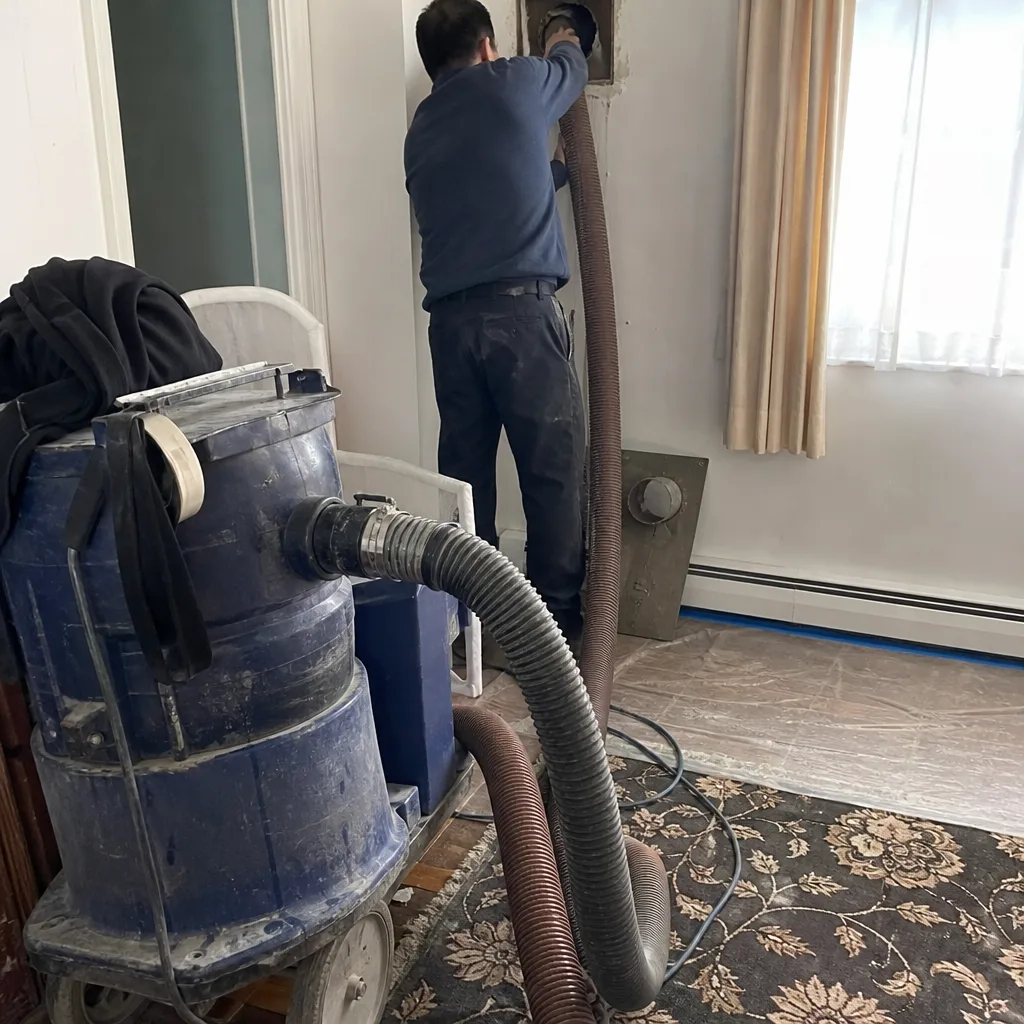
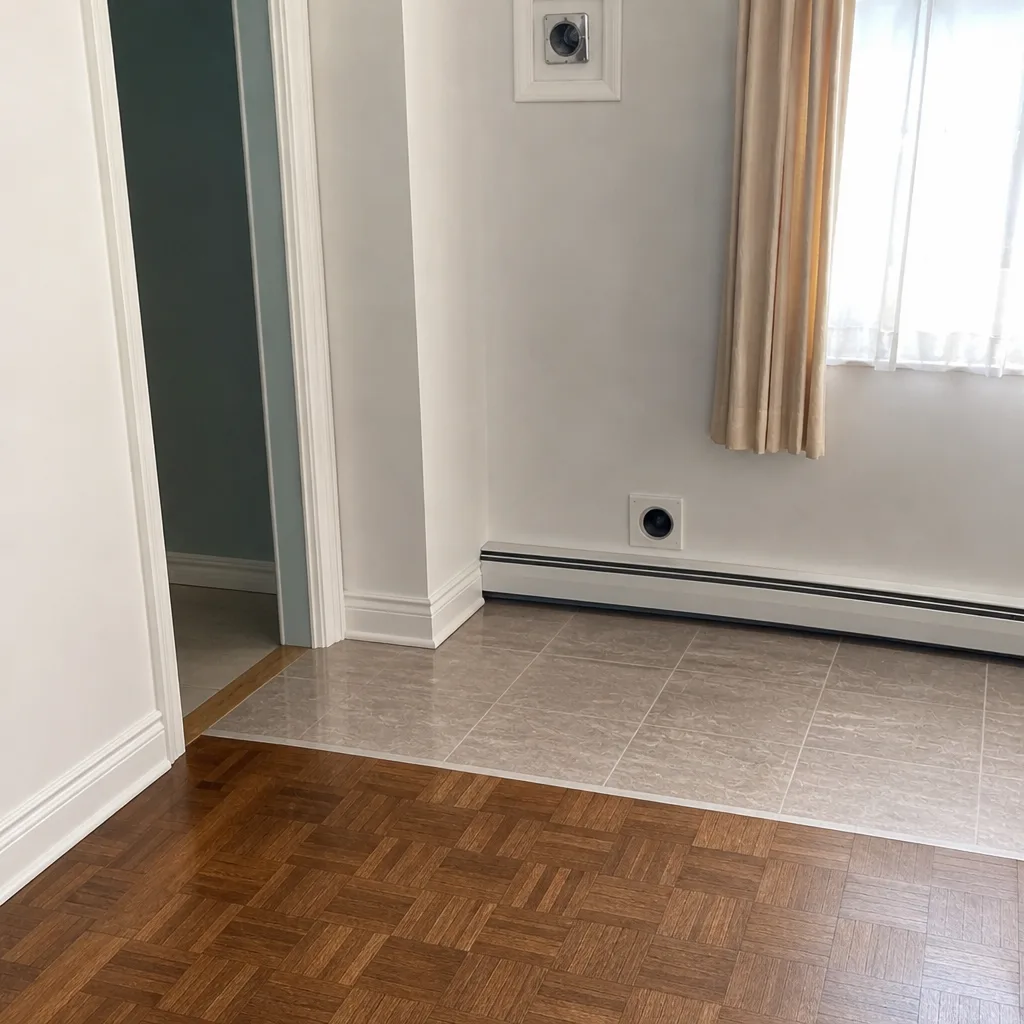
Whole-system duct and dryer vent check with before-and-after photos - you see exactly what came out of your vents
That "$99 whole-house special" is a bait ad - the real number appears once they are in your hallway, or the "clean" is a shop-vac at the register. We photograph the inside of your ducts before and after instead.
DIY vs Professional Air Duct Cleaning: The Pelham Bay Homeowner’s Decision Guide
Most homeowners who ask whether they can clean their own ducts are picturing the wrong part of the system. If you’re in Pelham Bay and you open a floor register in a prewar co-op, you’ll see a boot or an accessible run of flex duct that a shop vac and a hand brush genuinely can improve. The dust and debris you can reach is not the problem. The problem sits in the trunk lines and the plenum, where the airflow is fast, the runs turn at angles you can’t see, and the debris settles in places no consumer tool can reach. That’s the piece of the system that shapes what you breathe, and it’s the piece a homeowner can’t touch. This guide walks through what DIY duct work actually gets done, where it starts working against you, and how to tell whether a pro quote is worth the money before you agree to anything.
Quick Answer
DIY air duct cleaning can meaningfully improve the registers and filter housing you can reach, but it cannot remove debris from the trunk lines and plenum, because consumer vacuums can’t generate the negative pressure (measured in CFM and static pressure) that the industry’s source-removal standard requires. In Pelham Bay’s older housing stock, where ducts are often short, hidden behind kitchen and bathroom walls, or lined with aging insulation, the visible work matters for maintenance, and the hidden work needs professional equipment. Start with DIY register maintenance and filter checks; call a pro when you see a system-wide source of debris that you can’t extract.
Styles & brands we work with
- Whole-home duct cleaning
- Dryer vent cleaning
- Camera inspection
- Sanitizing & deodorizing
Table of Contents
- What You Can Actually Clean Yourself in a Pelham Bay Home
- Why Negative Pressure Is the Real Dividing Line
- When DIY Duct Cleaning Makes Things Worse
- The Cost-Benefit Calculation for Pelham Bay Homeowners
- How to Evaluate Whether a Pro Quote Is Actually Professional
- The Equipment Difference, Named Plainly
- A Sensible Cleaning Schedule for Pelham Bay Homes
- Common Mistakes to Avoid
What You Can Actually Clean Yourself in a Pelham Bay Home
There is real, measurable value in the parts of the system you can reach. Clean register covers and boots reduce the dust that gets broadcast into rooms every time the fan runs. A filter housing free of dust and correctly sealed against bypass keeps particulate from being pushed into the plenum. Accessible flex duct runs that show dust accumulation on the inside surface can be wiped and vacuumed by hand. None of this requires equipment beyond a wet/dry vac, a soft brush, a screwdriver, and some patience.
Here’s what we’d list as the genuinely worthwhile DIY work in a Pelham Bay apartment or house:
- Register covers and boots. Remove the covers, wash them in a tub, vacuum the boot interior with a brush attachment. This is where a homeowner wins the most ground with the least risk.
- Filter housing inspection. Pull the filter and look for gaps around the edges where air bypasses. A filter that doesn’t seal is worse than a filter that’s slightly dirty. Check it every 30 to 90 days depending on how dusty the household runs.
- Accessible flex duct runs. If a run is exposed under a cabinet, in a closet, or behind a knee wall, you can inspect it for tears and vacuum the visible interior. A torn flex run should be repaired, not vacuumed.
- Return air grilles. Return grilles collect more dust than supply registers because they’re pulling air in. Wipe them down and clean the reachable throat of the return boot.
- Coil-side surface. The visible face of the evaporator coil can be gently vacuumed with a soft brush if it’s accessible and the system is off. Don’t push past the coil face into anything you can’t see.
The register work in Pelham Bay’s older apartment buildings matters more than it does in new construction, because these systems often share short plenum runs with neighboring units, and the register is where most of the recirculated dust enters the room. Cleaning the surface you can reach is honest maintenance. It just isn’t the same outcome as cleaning the trunk.
Why Negative Pressure Is the Real Dividing Line
Professional duct cleaning and DIY duct cleaning are not points on the same line. They measure differently. The industry-standard method for source removal depends on pulling the duct system into sustained negative pressure while agitating the interior surfaces, so that the dislodged debris is captured at the vacuum source rather than shuffled around the system. That negative pressure is measured in cubic feet per minute (CFM) at the vacuum inlet and in inches of water column (static pressure) held inside the duct while the work runs.
A typical home shop vac pulls a small fraction of the airflow of a truck-mounted or portable professional HEPA unit. Two examples from our own toolkit:
- Nikro HEPA-rated vacuums are built to hold real negative pressure on the duct system while filtering fine particulate at HEPA grade. A shop vac is built to pull loose dust out of a floor, and its filter media isn’t sized to trap the fine particles that come off duct interiors.
- Rotobrush contact-cleaning systems are designed around the premise that you agitate the duct interior with a rotary brush while the vacuum holds negative pressure. The two working together are what get debris off the surfaces and out of the system. Either one alone leaves most of the debris in place.
A shop vac brush attachment doesn’t reach source removal. It reaches whatever the hose can touch. That distinction – surface access versus source removal – is the reason professional quotes cost what they cost, and it’s the honest basis for deciding whether to hire. If the goal is a cleaner register, DIY works. If the goal is a system where the trunk lines no longer shed debris into the supply air, the negative pressure math is what clears that bar. In Pelham Bay’s older housing, this matters because short duct runs don’t self-clean; they coat the inside of the trunk and hold what they coat.
When DIY Duct Cleaning Makes Things Worse
A well-meaning attempt can leave the system in a worse condition than when you started. Three failure modes come up often enough that we think every homeowner should know them before opening a register.
- Agitating without extracting. Running a brush through a duct without real negative pressure dislodges dust into the airstream, and the airstream delivers it to the next register in line. It doesn’t clean the system; it redistributes the debris across rooms.
- Improper biocide use. Fogging a duct interior with a consumer spray doesn’t sanitize the duct; it wets the interior surface, and in a humid room that moisture can support biological growth. Applied carefully, sanitizing has a place as the final step after cleaning. Applied carelessly, it manufactures a problem.
- Disturbing older duct insulation. Pelham Bay’s older housing stock uses duct insulation of uncertain age. Some of it is intact and effective; some of it is friable, and once you brush it loose, it stays in the air. If you don’t know what you’re looking at, don’t agitate it.
Beyond these three, there’s the airflow risk. Pushing a brush or a hose through duct transitions can dislodge flex duct from its collars or crack a sealed joint. A cracked joint pulls attic or wall-cavity air into the supply airstream. That’s a repair, not an improvement, and it costs more than the cleaning would have.
The other situation we’d flag: if there’s been a recent renovation, don’t agitate ducts with drywall dust still settling. The dust is fine, it travels, and a shop vac running through it pushes more into the air than it captures. Wait for the renovation to wrap, then bring in equipment that can actually pull drywall dust out of the trunk.
The Cost-Benefit Calculation for Pelham Bay Homeowners
DIY register cleaning and filter maintenance between professional cleanings saves real money over time. It’s cheap, it’s low-risk, and the returns are visible: less surface dust, easier filter changes, fewer register covers that look grey. The question is where the DIY line stops paying and the professional line starts.
Here’s the calculation we’d draw for a Pelham Bay homeowner:
- DIY makes sense when the visible symptoms are register-level: dust on the covers, a dirty filter housing, a return grille that needs a wipe-down. You can do real work here for the cost of a filter and an hour.
- DIY also makes sense when you need to keep the system stable between professional intervals – say, an annual cleaning on a system that hasn’t produced a problem in years. The register work stretches the interval.
- DIY stops paying when the symptoms come from the system: dust film gathering in rooms shortly after a deep clean of the room itself, musty odor from a supply register when the fan kicks on, visible dust plumes at a register on startup, or a system-wide dusting after renovation that no shop vac is going to solve.
- Professional cleaning makes sense when the return air plenum resembles a settling zone, when the visible flex runs look clean but the trunk line doesn’t, or when the family is dealing with allergies, asthma, or an infant in the house, and the objective is verified reduction of particulate in the supply air. At that point, surface cleaning delays the cleaning that should happen, and the delay costs more than the cleaning would.
Our general view, having been in Pelham Bay systems that range from century-old apartment runs to newer co-op conversions: the homeowner who does register maintenance every few months and calls a professional every few years is spending less than the homeowner who does nothing and calls a pro only after a musty smell becomes a family complaint. The homeowner who does nothing and never calls a pro is spending the least money and living with the worst air.
How to Evaluate Whether a Pro Quote Is Actually Professional
The premium for professional cleaning only makes sense if the professional actually brings professional equipment. Plenty of “duct cleaning” quotes in Pelham Bay are consumer-grade jobs dressed up as source removal. Here’s how to spot the difference before you agree to anything.
- Ask what equipment comes to the job. The honest answers name specific brands: Rotobrush, Nikro, Abatement Technologies. If the description is “professional equipment” without detail, ask again.
- Ask whether they agitate while extracting. Source removal means contact cleaning (brush) paired with negative pressure (HEPA vacuum). Cleaning with one and not the other isn’t the same standard.
- Ask about HEPA filtration at the vacuum. The vacuum’s job is to capture what comes off the ducts. A vacuum that pulls debris loose but doesn’t hold fine particulate is doing half the work.
- Ask what happens at the register boots and trunk. If the answer is “we do each register,” that’s register cleaning. Source removal reaches the trunk and plenum.
- Ask whether they offer repair and sealing. Cleaning a system that has gaps between duct sections is superficial. A provider who can’t seal can’t fix the problem that keeps re-soiling the ducts.
- Ask about sanitizing as a separate step. It should be a distinct decision after cleaning, not a bundled add-on. This is where product lines like Guardsman and Honeywell matter.
- Ask for a written scope before pricing. Anything you’re quoting should be listed in writing, per system, before work starts. Vague pricing that changes at the door is the pattern behind most industry complaints.
A real professional is comfortable being asked any of these. If the answers feel evasive, that’s information. The right provider is one whose answer doesn’t change whether you ask on the phone or in the living room.
The Equipment Difference, Named Plainly
We use specific equipment because the difference between consumer and professional duct cleaning is not marketing. The vacuum has to hold negative pressure, the brush has to reach the surface, and the filter has to trap what comes off. When any one of those is missing, you’re doing a different job than the one you paid for.
Here’s the toolset we bring to a Pelham Bay home, and what each one does:
- Rotobrush contact-cleaning systems. The rotary brush and extraction hose together work each duct length. This is the equipment that makes brush-and-vacuum meaningful at trunk scale, not just register scale.
- Nikro HEPA vacuums. These hold the fine stuff. HEPA-rated filtration is what stops the particles that come off duct interiors from redistributing into room air while the cleaning runs.
- Abatement Technologies tools. Built for jobs where what you’re pulling out includes allergens, mold spores, and fine particulates. This is the gear that makes contaminant removal credible, not just dust dislodging.
- Guardsman-grade treatments. Part of the sanitizing step, applied after cleaning, not instead of it.
- Honeywell and Aprilaire product lines. Filtration and air quality components that can extend the cleaning’s effect. Where the home’s existing filtration is undersized for the household, this is where we look next.
One call covers the whole forced-air system when we’re on site: air duct cleaning, coil and housing work, and a look at the return side. If the system also needs a dryer vent cleaned, we do that too, and if the ducts themselves are leaking, we seal them as part of the visit.
A Sensible Cleaning Schedule for Pelham Bay Homes
There’s no universal calendar, but there is a sensible rhythm, and in Pelham Bay’s climate and housing mix, the rhythm is shaped by humidity, older duct materials, and how tightly the building runs. Here’s the schedule we’d recommend:
- Monthly: replace or wash the filter. Check the housing for bypass gaps. Wipe down return grilles.
- Every 3 to 6 months: remove and wash register covers, vacuum boot interiors with a brush attachment, inspect accessible flex runs for tears.
- Annually: look inside a few registers with a flashlight. If you see dust accumulation on the trunk-side of the boot, or if a supply register puts out a musty odor when the fan kicks on, that’s the signal to call a pro.
- Every 3 to 5 years, or after major events: professional source-removal cleaning. “Major events” includes a renovation that produced dust, a water intrusion or humidity event that got into the system, or a family change brought on by allergies or a new infant in the house.
- Every 1 to 2 years regardless: dryer vent cleaning, because the lint load in the vent is a fire risk separate from indoor air quality and doesn’t follow the duct schedule.
- Every 2 to 3 years: HVAC cleaning for the coil and housing, on a rhythm that ties into your system’s maintenance.
The honest read on schedule is that the schedule is a starting point. A home that runs a dehumidifier in summer and has few occupants can go longer. A home with pets, an infant, or a family member with asthma should think shorter. The right interval is the one that matches the actual condition of the system, not a calendar someone else printed.
Common Mistakes to Avoid
- Assuming a clean register means a clean duct. Register cleaning is surface work. The trunk behind the boot can be a decade of accumulated debris while the register itself looks fine.
- Using a shop vac as if it were a HEPA unit. A shop vac releases fine dust back into the room through its filter. If you’re pulling anything from a duct, the fine stuff is what you must capture, and standard shop-vac filtration doesn’t.
- Spraying biocide into ducts before cleaning. Sanitizing comes after source removal, not before. Wetting a layer of dust without removing it can support biological growth.
- Pushing through flex duct transitions with a heavy brush. The connecting collars and the flex duct itself are the parts most likely to fail under force. Once a joint is loose, the system pulls wall-cavity air into the supply.
- Ignoring a musty smell after a cleaning. If odor remains after a decent cleaning, the problem isn’t the ducts, it’s the coil, the drain pan, or a moisture source the ducts can’t fix. That’s a different diagnosis.
- Hiring on price alone without any scope in writing. A quote without a written description of what’s included is a placeholder for a number that can change on-site.
- Cleaning ducts without fixing leaks. Sealing and repair are part of the solution. Cleaning a system that has gaps between sections just gives dust a fresh place to accumulate.
See the difference
 Before
 After
 Before
 After
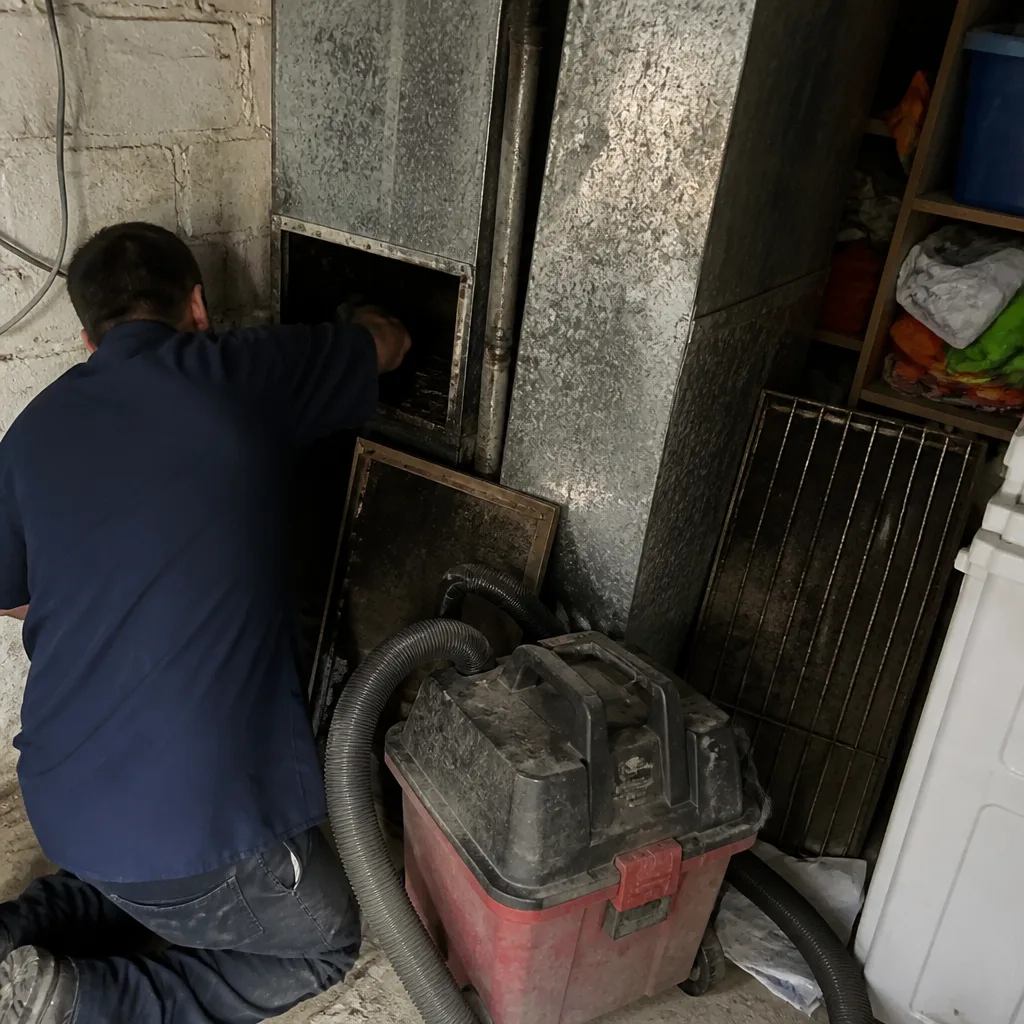 Before
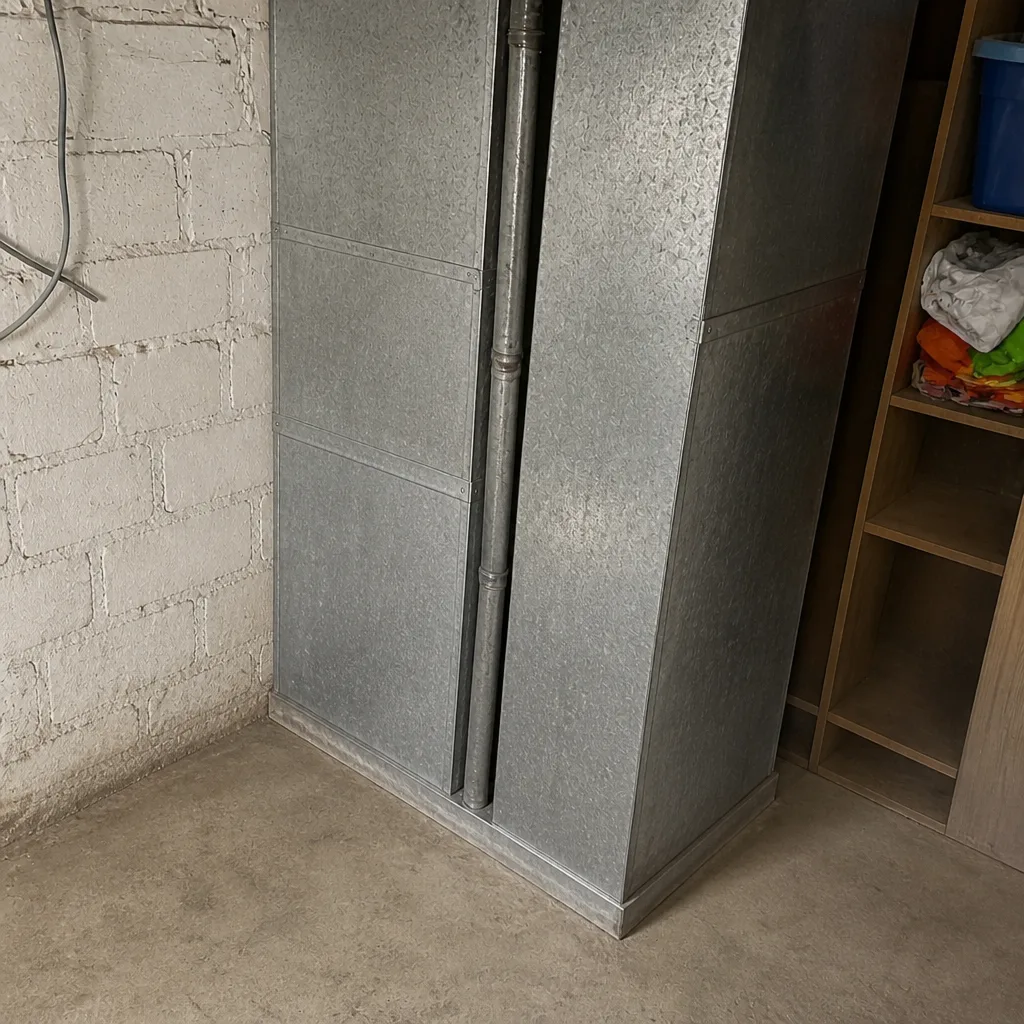 After
When to Call a Professional
Call a professional when the problem is system-wide, not register-level. Specifically: dust that films rooms within days of a deep clean; musty odor from a supply register when the fan runs; visible dust plumes at registers on startup; post-renovation drywall dust that’s been pulled into the system; water intrusion or a humidity event that got into the ductwork; a family member with allergies, asthma, or an infant whose symptoms worsen in the home; and a system whose ducts haven’t been cleaned in years or have never been cleaned. If you’re in one of those situations, DIY register work won’t solve it, and an honest professional is worth the call. Our technicians have up to 14 years of experience on Pelham Bay-area systems, and we use Rotobrush, Nikro, and Abatement Technologies equipment on every job because that’s what source removal actually requires. To see whether a visit makes sense for your home, use the Air Duct Cleaning Pelham Bay starting page, or call for a free estimate.
Air Duct Cleaning Pelham Bay offers free estimates in Pelham Bay – call (877) 492-4238. We answer 24/7. Fast dispatch from 7am to 7pm, Sunday through Friday.
Frequently Asked Questions
You can meaningfully clean the parts of the system you can reach: register covers, boots, filter housing, and accessible flex runs. You cannot perform source removal on the trunk lines and plenum without professional-grade negative pressure and HEPA extraction. The DIY work is real maintenance; it just isn’t the same outcome as a professional cleaning. For a system-wide problem, call a professional.
Pricing is set per job by a written estimate, because the number of supply runs, the plenum size, and whether the system needs repair and sealing change the scope. The right practice is one flat price per system, agreed in writing before any work starts. Call (877) 492-4238 for an exact quote – estimates are free.
Usually because they’re quoting a different service. Register cleaning, one-pass vacuuming without contact cleaning, or a consumer-grade vacuum masquerading as HEPA all come in cheaper because they do less. Ask what equipment comes to the job, whether the brush works alongside the vacuum, and whether the vacuum has HEPA filtration. The answers explain the price difference.
Ask for before-and-after photos of your own ducts, and ask what the technician found and removed. A professional visit should produce a visible record of what the system looked like before and after. If the provider can’t produce photographic evidence of the work, that’s worth factoring into who you hire.
Every 3 to 5 years is a reasonable interval for most homes, with more frequent visits after renovation, water intrusion, or a change in the household’s health picture. Between cleanings, register maintenance, filter changes, and dryer vent cleaning (every 1 to 2 years) keep the system stable. The interval that matters is the one that matches your system’s actual condition, and a free estimate tells you that.
No. The price is set per job by the written estimate, and the estimate doesn’t change because the call is urgent. We answer 24/7. A call outside dispatch hours is booked into the next opening, Sunday through Friday, 7am to 7pm. Call (877) 492-4238 for an exact quote – estimates are free.
The Bottom Line
DIY duct maintenance and professional duct cleaning do different jobs, and Pelham Bay homeowners get the most value from understanding which is which. Register covers, filter housings, and accessible flex runs are worth your Saturday – the work is low-cost and the visible payoff is real. The trunk lines and plenum are a different problem, because source removal depends on negative pressure that consumer tools can’t produce. If you have a system-wide symptom, call a pro who can describe their equipment in specifics and show you before-and-after photos of your own ducts. One flat price per system, agreed in writing before work starts, is the honest way to buy. Our technicians have up to 14 years of experience, and we use professional HVAC cleaning equipment – Rotobrush, Nikro, Abatement Technologies – on every job because that’s the standard the work actually requires. Call (877) 492-4238 for a free estimate. We answer 24/7. Fast dispatch from 7am to 7pm, Sunday through Friday.
Written by the team at Air Duct Cleaning Pelham Bay.